• Fri frakt över 249 kr
  • •
  • Snabba leveranser
  • •
  • Billiga böcker
Kundservice

Du är på sajten för privatpersoner.

Företag, bibliotek eller offentlig verksamhet?

Du handlar på classic.bokus.com, där alla dina funktioner finns intakta.
Till classic.bokus.com
Bokus logotyp. Gå till startsidan.
  • Erbjudanden
  • Student
  • Topplistor
  • Barn & ungdom
  • Bokus Play
  • E-böcker
  • Ljudböcker
  • Pocketböcker
  • Spel och pussel

Pocketfynda! Hundratals böcker för 49 kr/st →

Sidfot

Mina sidor

    Hjälp

    • Kundservice
    • Vanliga frågor och svar
    • Frakt och leverans
    • Retur vid ångerrätt
    • Reklamera vara
    • Betalning
    • Köpvillkor
    • Allmänna villkor
    • Information om webbplatsens tillgänglighet

    Om Bokus

    • Om oss
    • Pressrum
    • För studenter
    • För företag
    • För bibliotek och offentlig verksamhet
    • För leverantörer
    • Hållbarhet

    Populärt

    • Aktuella erbjudanden
    • Presentkort
    • Studentlitteratur
    • Nya böcker
    • Topplistor
    • Signerade böcker
    • Engelska böcker

    Inspiration

    • Boktips
    • BookTok
    • Barnbokskaraktärer
    • Populära författare
    Logotyp för Bokus
    Följ oss på Facebook (extern länk)Följ oss på Instagram (extern länk)Följ oss på YouTube (extern länk)Följ oss på TikTok (extern länk)
    bokus @ CookiesAnpassa cookiesIntegritetspolicyKöpvillkor
    Till Citymail hemsida (extern länk)Till Budbee hemsida (extern länk)Till Postnord hemsida (extern länk)Till Schenker hemsida (extern länk)Till Early Bird hemsida (extern länk)Till Walleys hemsida (extern länk)
    1. Språk och ordböcker
    2. Språkvetenskap och lingvistik

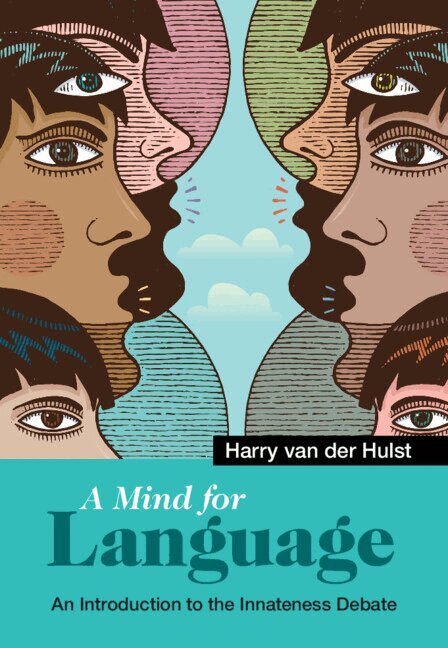
    A Mind for Language

    An Introduction to the Innateness Debate

    AvHarry van der Hulst

    Inbunden, Engelska, 2023

    1 504 kr

    Beställningsvara. Skickas inom 7-10 vardagar. Fri frakt över 249 kr.

    Fler format och utgåvor

    Häftad

    538 kr

    Beskrivning

    How does human language arise in the mind? To what extent is it innate, or something that is learned? How do these factors interact? The questions surrounding how we acquire language are some of the most fundamental about what it means to be human and have long been at the heart of linguistic theory. This book provides a comprehensive introduction to this fascinating debate, unravelling the arguments for the roles of nature and nurture in the knowledge that allows humans to learn and use language. An interdisciplinary approach is used throughout, allowing the debate to be examined from philosophical and cognitive perspectives. It is illustrated with real-life examples and the theory is explained in a clear, easy-to-read way, making it accessible for students, and other readers, without a background in linguistics. An accompanying website contains a glossary, questions for reflection, discussion themes and project suggestions, to further deepen students understanding of the material.

    Produktinformation

    • Utgivningsdatum:2023-09-21
    • Mått:176 x 250 x 37 mm
    • Vikt:1 170 g
    • Format:Inbunden
    • Språk:Engelska
    • Antal sidor:594
    • Förlag:Cambridge University Press
    • ISBN:9781108471572

    Utforska kategorier

    • Språkvetenskap och lingvistik inom Språk och ordböcker

    Mer om författaren

    Harry van der Hulst is Professor of Linguistics at the University of Connecticut. He has been Editor-in-Chief of The Linguistic Review since 1990. Recent publications include Asymmetries in Vowel Harmony (2018, Oxford University Press) and Radical CV Phonology (2020, Edinburgh University Press).

    Recensioner i media

    '… the book provides valuable resources for readers to understand and even participate in the nature-nurture debate. Readers will obtain abundant knowledge about the essence and features of human language and ultimately achieve a more comprehensive and in-depth understanding of the nature-nurture debate.' Dongrui Jiang, The American Journal of Psychology

    Innehållsförteckning

    • I. Introduction; 1. What this book is about; II. The never-ending debate; 2. The innateness hypothesis; 3. Philosophy of mind; 4. Cognitive science; 5. Modularity; III. The mental grammar, language universals and language change; 6. The organization of the mental grammar; 7. Language universals; 8. Language change; IV. Language acquisition; 9. Language acquisition: the road from input to mental grammar; 10. Stages of language acquisition; 11. Critical period effects; 12. How children create new languages; V. Language in a different modality; 13. Sign languages; VI. Winding up; 14. Evaluating the arguments: a forum discussion.