• Fri frakt över 249 kr
  • •
  • Snabba leveranser
  • •
  • Billiga böcker
Kundservice

Du är på sajten för privatpersoner.

Företag, bibliotek eller offentlig verksamhet?

Du handlar på classic.bokus.com, där alla dina funktioner finns intakta.
Till classic.bokus.com
Bokus logotyp. Gå till startsidan.
  • Erbjudanden
  • Student
  • Topplistor
  • Barn & ungdom
  • Bokus Play
  • E-böcker
  • Ljudböcker
  • Pocketböcker
  • Spel och pussel

5% studentrabatt – använd koden KURSBOK27 →

Sidfot

Mina sidor

    Hjälp

    • Kundservice
    • Vanliga frågor och svar
    • Frakt och leverans
    • Retur vid ångerrätt
    • Reklamera vara
    • Betalning
    • Köpvillkor
    • Allmänna villkor
    • Information om webbplatsens tillgänglighet

    Om Bokus

    • Om oss
    • Pressrum
    • För studenter
    • För företag
    • För bibliotek och offentlig verksamhet
    • För leverantörer
    • Hållbarhet

    Populärt

    • Aktuella erbjudanden
    • Presentkort
    • Studentlitteratur
    • Nya böcker
    • Topplistor
    • Signerade böcker
    • Engelska böcker

    Inspiration

    • Boktips
    • BookTok
    • Barnbokskaraktärer
    • Populära författare
    Logotyp för Bokus
    Följ oss på Facebook (extern länk)Följ oss på Instagram (extern länk)Följ oss på YouTube (extern länk)Följ oss på TikTok (extern länk)
    bokus @ CookiesAnpassa cookiesIntegritetspolicyKöpvillkor
    Till Citymail hemsida (extern länk)Till Budbee hemsida (extern länk)Till Postnord hemsida (extern länk)Till Schenker hemsida (extern länk)Till Early Bird hemsida (extern länk)Till Walleys hemsida (extern länk)
    1. Filosofi och religion
    2. Filosofi
    3. Filosofiska discipliner

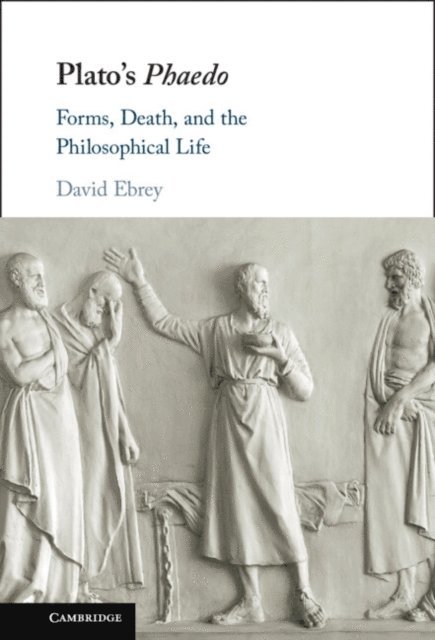
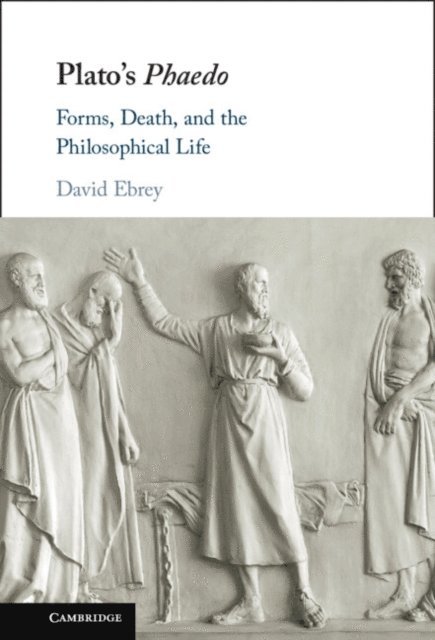
    Plato's Phaedo

    Forms, Death, and the Philosophical Life

    AvDavid Ebrey

    Inbunden, Engelska, 2023

    1 107 kr

    Beställningsvara. Skickas inom 7-10 vardagar. Fri frakt över 249 kr.

    Fler format och utgåvor

    Häftad

    369 kr

    E-bok

    427 kr

    E-bok

    427 kr

    Beskrivning

    Plato's Phaedo is a literary gem that develops many of his most famous ideas. David Ebrey's careful reinterpretation argues that the many debates about the dialogue cannot be resolved so long as we consider its passages in relative isolation from one another, separated from their intellectual background. His book shows how Plato responds to his literary, religious, scientific, and philosophical context, and argues that we can only understand the dialogue's central ideas and arguments in light of its overall structure. This approach yields new interpretations of the dialogue's key ideas, including the nature and existence of 'Platonic' forms, the existence of the soul after death, the method of hypothesis, and the contemplative ethical ideal. Moreover, this comprehensive approach shows how the characters play an integral role in the Phaedo's development and how its literary structure complements Socrates' views while making its own distinctive contribution to the dialogue's drama and ideas.
    Produktinformation

    • Utgivningsdatum:2023-02-09
    • Mått:154 x 235 x 23 mm
    • Vikt:700 g
    • Format:Inbunden
    • Språk:Engelska
    • Antal sidor:362
    • Förlag:Cambridge University Press
    • ISBN:9781108479943

    Utforska kategorier

    • Filosofiska discipliner inom Filosofi och religion

    Mer om författaren

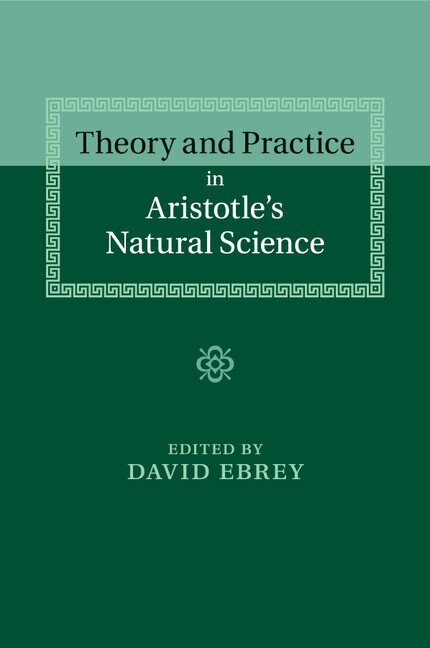
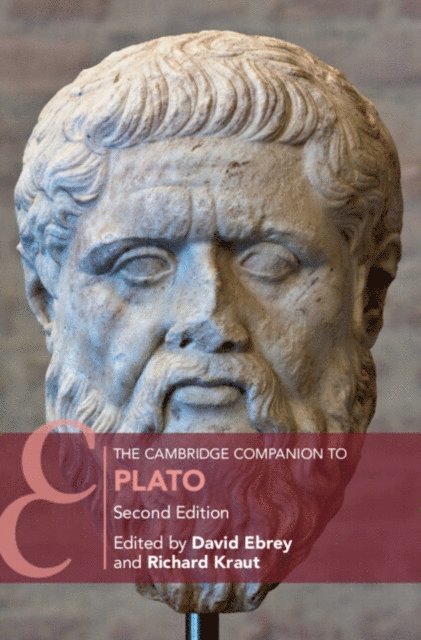
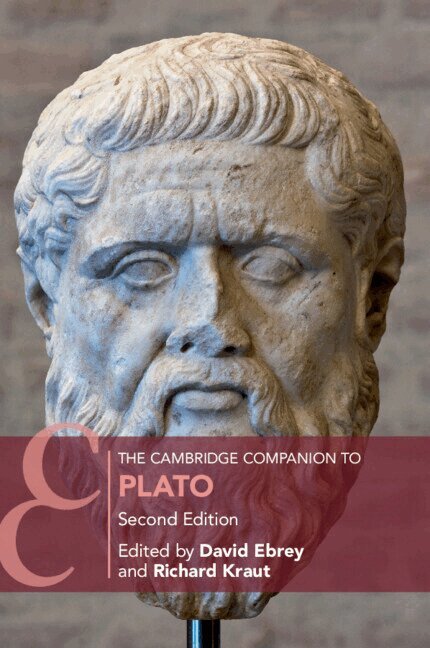
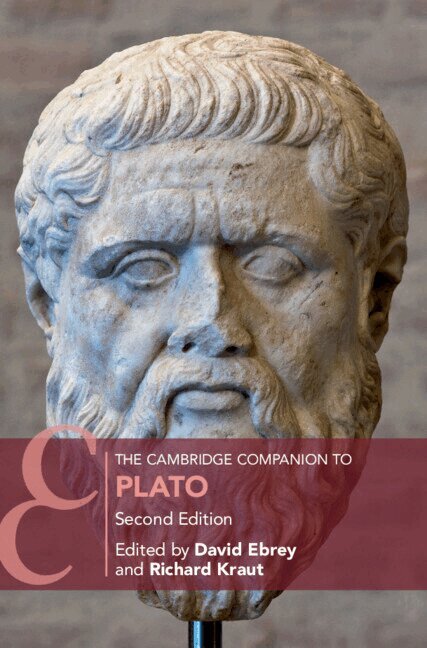
    David Ebrey is co-editor (with Richard Kraut) of the Cambridge Companion to Plato (2022), editor of Theory and Practice in Aristotle's Natural Science (2015), and the author of articles on a variety of topics in Plato and Aristotle.

    Recensioner i media

    'David Ebrey's valuable scholarship on the Phaedo has consistently helped to deepen readers' understanding of this popular dialogue. In this stimulating new book he takes a holistic approach to the Phaedo, exploring it as a philosopher and classicist, as well as a reader of a 'literary gem' that is part of a rich cultural, religious, scientific, and philosophical tradition. Highly recommended.' Blake Hestir, Texas Christian University

    Innehållsförteckning

    • 1. The Characters; 2. The Phaedo as an Alternative to Tragedy and Socrates as a Poet: 57a–61c; 3. Defense of the Desire to be Dead: 61c–69e; 4. Cebes' Challenge and the Cyclical Argument: 69e–72d; 5. The Recollecting Argument: 72e–77d; 6. The Kinship Argument: 77d–80d; 7. The Return to the Defense: 80d–84b; 8. Misology and the Soul as a Harmonia: 84c–86e, 88c–95a; 9. Socrates' Autobiography: 95e–102a; 10. Cebes' Objection and the Final Argument: 86e–88b, 102b–107b; 11. The Cosmos and the Afterlife: 107c–115a; 12. The Death Scene: 115a–118a.