E-bok, Engelska, 2019
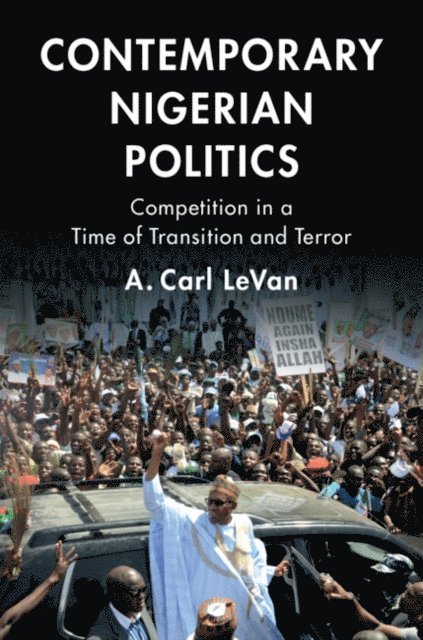
Contemporary Nigerian Politics
447 kr
Läs direkt i Bokus Reader – eller ladda ned till din enhet
Beskrivning
In 2015, Nigeria''s voters cast out the ruling People''s Democratic Party (PDP). Here, A. Carl LeVan traces the political vulnerability of Africa''s largest party in the face of elite bargains that facilitated a democratic transition in 1999. These ''pacts'' enabled electoral competition but ultimately undermined the party''s coherence. LeVan also crucially examines the four critical barriers to Nigeria''s democratic consolidation: the terrorism of Boko Haram in the northeast, threats of Igbo secession in the southeast, lingering ethnic resentments and rebellions in the Niger Delta, and farmer-pastoralist conflicts. While the PDP unsuccessfully stoked fears about the opposition''s ability to stop Boko Haram''s terrorism, the opposition built a winning electoral coalition on economic growth, anti-corruption, and electoral integrity. Drawing on extensive interviews with a number of politicians and generals and civilians and voters, he argues that electoral accountability is essential but insufficient for resolving the representational, distributional, and cultural components of these challenges.
Produktinformation
- Utgivningsdatum: 2019-01-17
- Språk: Engelska
- Filformat: EPUB
- Kopieringsskydd: LCP
- ISBN: 9781108569217
- Förlag: Cambridge University Press
Utforska kategorier
Betyg & recensioner
0 recensioner
Inga recensioner tillgängliga.