• Fri frakt över 249 kr
  • •
  • Snabba leveranser
  • •
  • Billiga böcker
Kundservice

Du är på sajten för privatpersoner.

Företag, bibliotek eller offentlig verksamhet?

Du handlar på classic.bokus.com, där alla dina funktioner finns intakta.
Till classic.bokus.com
Bokus logotyp. Gå till startsidan.
  • Erbjudanden
  • Nyheter
  • Student
  • Topplistor
  • Barn & ungdom
  • Bokus Play
  • E-böcker
  • Pocketböcker
  • Spel & pussel

10% rabatt på allt med kod: NYSTART10 →

Sidfot

Mina sidor

    Hjälp

    • Kundservice
    • Vanliga frågor och svar
    • Frakt och leverans
    • Retur vid ångerrätt
    • Reklamera vara
    • Betalning
    • Köpvillkor
    • Allmänna villkor
    • Information om webbplatsens tillgänglighet

    Om Bokus

    • Om oss
    • Pressrum
    • För studenter
    • För företag
    • För bibliotek och offentlig verksamhet
    • För leverantörer
    • Hållbarhet

    Populärt

    • Aktuella erbjudanden
    • Presentkort
    • Studentlitteratur
    • Nya böcker
    • Topplistor
    • Signerade böcker
    • Engelska böcker

    Inspiration

    • Boktips
    • BookTok
    • Populära bokserier
    • Barnbokskaraktärer
    • Populära författare
    Logotyp för Bokus
    Följ oss på Facebook (extern länk)Följ oss på Instagram (extern länk)Följ oss på YouTube (extern länk)Följ oss på TikTok (extern länk)
    bokus @ CookiesAnpassa cookiesIntegritetspolicyKöpvillkor
    Till Citymail hemsida (extern länk)Till Budbee hemsida (extern länk)Till Postnord hemsida (extern länk)Till Schenker hemsida (extern länk)Till Early Bird hemsida (extern länk)Till Walleys hemsida (extern länk)
    1. Juridik
    2. Särskilda rättsområden
    3. Immaterialrätt

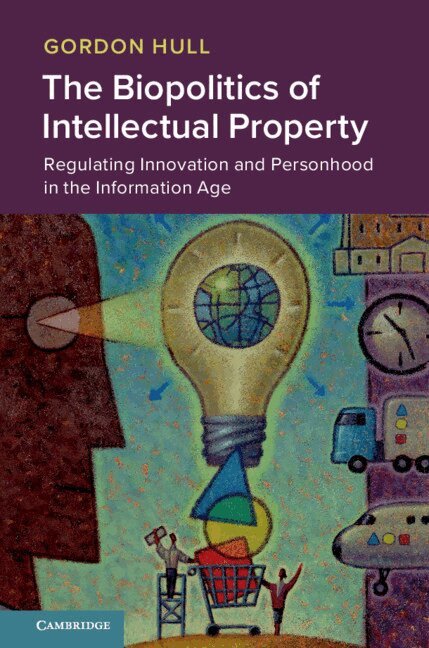
    The Biopolitics of Intellectual Property

    Regulating Innovation and Personhood in the Information Age

    AvGordon Hull

    Häftad, Engelska, 2020

    455 kr

    Beställningsvara. Skickas inom 10-15 vardagar. Fri frakt över 249 kr.

    Fler format och utgåvor

    Inbunden

    1 513 kr

    Beskrivning

    As a central part of the regulation of contemporary economies, intellectual property (IP) is central to all aspects of our lives. It matters for the works we create, the brands we identify and the medicines we consume. But if IP is power, what kind of power is it, and what does it do? Building on the work of Michel Foucault, Gordon Hull examines different ways of understanding power in copyright, trademark and patent policy: as law, as promotion of public welfare, and as promotion of neoliberal privatization. He argues that intellectual property policy is moving toward neoliberalism, even as that move is broadly contested in everything from resistance movements to Supreme Court decisions. This work should be read by anyone interested in understanding why the struggle to conceptualize IP matters.

    Produktinformation

    • Utgivningsdatum:2020-01-02
    • Mått:151 x 228 x 14 mm
    • Vikt:350 g
    • Format:Häftad
    • Språk:Engelska
    • Antal sidor:230
    • Förlag:Cambridge University Press
    • ISBN:9781108712057

    Utforska kategorier

    • Immaterialrätt inom Juridik

    Mer om författaren

    Gordon Hull is Associate Professor of Philosophy and Public Policy at the University of North Carolina, Charlotte. He has published numerous articles on contemporary philosophical and political theory, intellectual property, privacy, and the history of philosophy. He is also the author of Hobbes and the Making of Modern Political Thought (2009).

    Recensioner i media

    'Tracing the shifting logic of intellectual property over the centuries, Gordon Hull demonstrates that neoliberalism is less concerned with markets or freedom than it is with the economization of everyday life. This groundbreaking genealogy combines Foucauldian theory of biopower with a rich empirical analysis to illuminate how norms and technologies of ownership are now at stake in the shaping of our very subjectivity.' William Davies, Goldsmiths, University of London and author of The Limits of Neoliberalism

    Innehållsförteckning

    • 1. Introduction; 2. Theorizing intellectual property; 3. Copyright; 4. Trademark; 5. Patents; 6. Conclusion: politics was already in the way; 7. Works Cited.