• Fri frakt över 249 kr
  • •
  • Snabba leveranser
  • •
  • Billiga böcker
Kundservice

Du är på sajten för privatpersoner.

Företag, bibliotek eller offentlig verksamhet?

Du handlar på classic.bokus.com, där alla dina funktioner finns intakta.
Till classic.bokus.com
Bokus logotyp. Gå till startsidan.
  • Erbjudanden
  • Nyheter
  • Student
  • Topplistor
  • Barn & ungdom
  • Bokus Play
  • E-böcker
  • Pocketböcker
  • Spel & pussel

10% rabatt på allt med kod: NYSTART10 →

Sidfot

Mina sidor

    Hjälp

    • Kundservice
    • Vanliga frågor och svar
    • Frakt och leverans
    • Retur vid ångerrätt
    • Reklamera vara
    • Betalning
    • Köpvillkor
    • Allmänna villkor
    • Information om webbplatsens tillgänglighet

    Om Bokus

    • Om oss
    • Pressrum
    • För studenter
    • För företag
    • För bibliotek och offentlig verksamhet
    • För leverantörer
    • Hållbarhet

    Populärt

    • Aktuella erbjudanden
    • Presentkort
    • Studentlitteratur
    • Nya böcker
    • Topplistor
    • Signerade böcker
    • Engelska böcker

    Inspiration

    • Boktips
    • BookTok
    • Populära bokserier
    • Barnbokskaraktärer
    • Populära författare
    Logotyp för Bokus
    Följ oss på Facebook (extern länk)Följ oss på Instagram (extern länk)Följ oss på YouTube (extern länk)Följ oss på TikTok (extern länk)
    bokus @ CookiesAnpassa cookiesIntegritetspolicyKöpvillkor
    Till Citymail hemsida (extern länk)Till Budbee hemsida (extern länk)Till Postnord hemsida (extern länk)Till Schenker hemsida (extern länk)Till Early Bird hemsida (extern länk)Till Walleys hemsida (extern länk)
    1. Naturvetenskap och teknik
    2. Teknik och industri
    3. Tillverkningsteknik

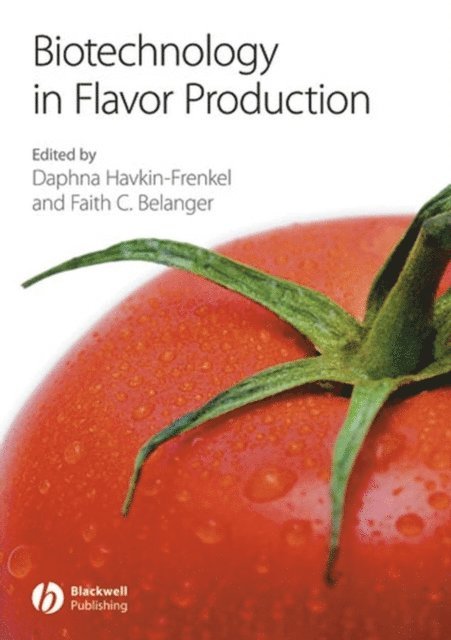
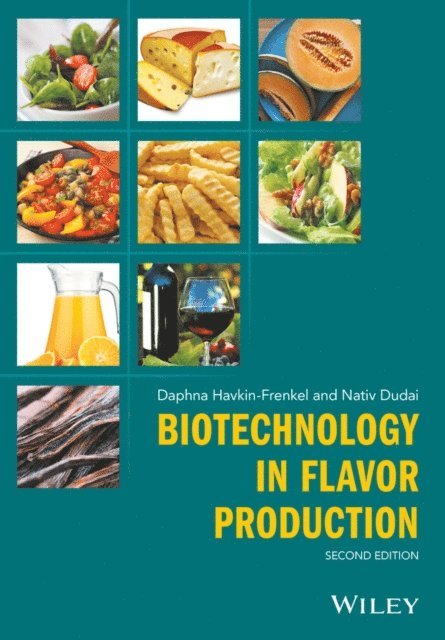
    Biotechnology in Flavor Production

    AvDaphna Havkin-Frenkel,Nativ Dudai

    Inbunden, Engelska, 2016

    1 572 kr

    Tillfälligt slut

    Beskrivning

    Throughout history, human beings have sought ways to enhance the flavor of the foods they eat. In the 21st century, biotechnology plays an important role in the flavor improvement of many types of foods. This book covers many of the biotechnological approaches currently being applied to flavor enhancement. The contribution of microbial metabolism to flavor development in fermented beverages and dairy products has been exploited for thousands of years, but the recent availability of whole genome sequences of the yeasts and bacteria involved in these processes is stimulating targeted approaches to flavor enhancement.Chapters discuss recent developments in the flavor modification of wine, beer, and dairy products through the manipulation of the microbial species involved. Biotechnological approaches to the production of specific flavor molecules in microbes and plant tissue cultures, and the challenges that have been encountered, are also covered, along with the metabolic engineering of food crops for flavor enhancement - also a current area of research. Biotechnology is also being applied to crop breeding through marker-assisted selection for important traits, including flavor, and the book looks at the application of the biotechnological approach to breeding for enhanced flavor in rice, apple, and basil. These techniques are subject to governmental regulation, and this is addressed in a dedicated chapter.This updated second edition features five brand new chapters, and the topics covered in the book will be of interest to those in the flavor and food industries as well as to academic researchers interested in flavors.

    Produktinformation

    • Utgivningsdatum:2016-08-19
    • Mått:178 x 252 x 22 mm
    • Vikt:812 g
    • Format:Inbunden
    • Språk:Engelska
    • Antal sidor:336
    • Upplaga:2
    • Förlag:John Wiley and Sons Ltd
    • ISBN:9781118354063

    Utforska kategorier

    • Tillverkningsteknik inom Naturvetenskap och teknik

    Mer om författaren

    Dr Daphna Havkin-Frenkel, Department of Plant Pathology and Biology, Rutgers University, New Brunswick, New Jersey and Director of Research and Development, Bakto Flavors LLC, New Jersey. Dr Nativ Dudai, Researcher, Newe Ya'ar Research Center, The Agricultural Research Organization of Israel, Ramat Yishay, Israel.

    Innehållsförteckning

    • Contributors xiPreface xvChapter 1 The flavor of citrus fruit 1Ron Porat, Sophie Deterre, Pierre Giampaoli and Anne PlottoIntroduction 1Taste components of citrus fruit 3Sugars 5Acids 6Bitter compounds 6Aroma compounds of citrus fruit 8Terpene hydrocarbons 9Aldehydes 10Alcohols 11Esters 11Ketones 11Other volatiles 12Citrus genes involved in flavor production 12The unique flavor of different citrus species 13The flavor of oranges 14The flavor of mandarins 14The flavor of grapefruit 15The flavor of lemons 16Accumulation of off-flavors in fresh citrus fruit during postharvest storage 17Flavor of citrus essential oils 19Acknowledgments 24References 24Chapter 2 Aroma as a factor in the breeding process of fresh herbs – the case of basil 32Nativ Dudai and Faith C. BelangerThe importance of selecting for aroma in breeding of aromatic plants 32The importance of genetic factors regarding the essential oil composition in aromatic plants 32Sweet basil and the Ocimum genus 34Uses of sweet basil 34The chemistry of the aroma factors of plants: the essential oil 36Essential oil profiles of common commercial basil varieties 36Comparison of chemical analysis methods 41Variation of the volatile compound composition within the plant 43Variation of aroma compounds within cultivars and the potential for selection 45Biosynthetic pathways of basil aroma components 47Inheritance of aroma compounds in basil 50Interspecific hybridization among Ocimum species 52Applications of biotechnology-based approaches to modification of basil aroma 53References 54Chapter 3 Novel yeast strains as tools for adjusting the flavor of fermented beverages to market specifications 62Jan H. Swiegers, Sofie M.G. Saerens and Isak S. PretoriusIntroduction 62Wine 63Beer 63Saké 64Wine, beer, and saké yeasts 64Wine yeasts 65Beer yeasts 67Saké yeasts 67Acids 69Non-volatile acids 69Volatile acids 72Alcohols 74Ethanol 74Glycerol 76Higher alcohols 78Esters 83Carbonyl compounds 91Acetaldehyde 91Diacetyl 93Volatile phenols 95Sulfur compounds 98Sulfides 98Mercaptans 102Thiols 102Monoterpenoids 106Conclusion 109References 109Chapter 4 Biotechnology of flavor formation in fermented dairy products 133Balasubramanian Ganesan and Bart C. WeimerIntroduction 133Biochemistry of dairy fermentations 135Biotechnology and flavor 138Flavor production from bacteria 147Comparative genomics of flavor production 149Expression and metabolite analysis 154Predictive bioinformatics 155Non-culturable lactococci 156Translation of omics to biotechnology 156Conclusion 158References 158Chapter 5 Biotechnological production of vanillin 165Daphna Havkin-Frenkel and Faith C. BelangerIntroduction 165Biosynthesis of vanillin 168Natural occurrence of vanillin 168Site of vanillin production in vanilla beans 168Vanillin biosynthetic pathway in Vanilla planifolia 170Production of vanillin by biotechnology 171Introduction 171Use of microorganisms 172Use of plant tissue culture 177Use of enzymes 177Use of physical and mild chemistry methods 181Synthetic vanillin 182Vanillin from vanilla beans 182Regulations 183Conclusions and future outlook 185References 186Chapter 6 Plant cell culture as a source of valuable chemicals 193Chee-Kok ChinIntroduction 193Establishment of callus culture 194Initiation and maintenance of cell culture 197Production of valuable chemicals by cultured plant cells 198Metabolic engineering to improve chemical production 204Concluding remarks 205References 205Chapter 7 Increasing the methional content in potato through biotechnology 211Rong DiFlavor compound methional in foods 211Formation of methional 212Synthesis of Met in plants 213Biotechnology to enhance Met and methional 214References 217Chapter 8 Flavor development in rice 221Louis M.T. Bradbury, Robert J. Henry and Daniel L.E. WatersIntroduction 221Old flavors of rice 221Rice texture 223Fragrant rice 224The chemistry of rice fragrance 227The genetics of rice fragrance 228BAD enzymes and 2AP synthesis 233The future 237References 237Chapter 9 Tomato aroma: biochemistry and biotechnology 243Rachel Davidovich-Rikanati, Yaron Sitrit, Yaakov Tadmor, Eran Pichersky, Natalia Dudareva and Efraim LewinsohnThe major aroma impact volatiles in tomato and their biosynthetic pathways 243Biosynthesis of tomato volatiles 244Degradation of fatty acids 244Volatiles derived from amino acids 246Terpenes 248Carotenoid pigmentation affects the flavor and volatile composition of tomato fruit 250Genetic engineering of tomato aroma 253Contribution of “omics” to improving our understanding of aroma biosynthesis and perception 256Conclusion 258Acknowledgment 258References 258Chapter 10 Breeding and biotechnology for flavor development in apple (Malus × domestica Borkh.) 264Susan K. BrownQuality 265Apple volatiles 265Ester compounds and ester biosynthesis 266Measurement techniques 266Varietal and developmental differences 267Effect of storage 268Effect of processing 269Effect of 1-methylcyclopropene treatment 270Hypoxia 270Gene isolation 271Genetic studies, linkage maps, and marker-assisted selection 271ESTs 272Transgenic approaches 273Ethylene production and softening (ACS–ACO) 274Consumer perceptions and sensory testing 274References 275Chapter 11 Biosynthesis and perception of melon aroma 281Itay Gonda, Yosef Burger, Arthur A. Schaffer, Mwafaq Ibdah, Ya’akov Tadmor, Nurit Katzir, Aaron Fait and Efraim LewinsohnIntroduction 281Volatile composition of melon fruit 283Odor perception 288Biosynthesis of melon aroma volatiles 292Terpenoids 292Fatty acid-derived volatile aldehydes 293Amino acid-derived aroma compounds 294Formation of volatile alcohols from volatile aldehydes 296Formation of volatile esters from volatile alcohols 297The interphase between volatile and non-volatile metabolites 298Changes of volatile profiles in transgenic melons inhibited in ethylene production 299Concluding remarks 299References 300Index 307