• Fri frakt över 249 kr
  • •
  • Snabba leveranser
  • •
  • Billiga böcker
Kundservice

Du är på sajten för privatpersoner.

Företag, bibliotek eller offentlig verksamhet?

Du handlar på classic.bokus.com, där alla dina funktioner finns intakta.
Till classic.bokus.com
Bokus logotyp. Gå till startsidan.
  • Erbjudanden
  • Nyheter
  • Student
  • Topplistor
  • Barn & ungdom
  • Bokus Play
  • E-böcker
  • Pocketböcker
  • Spel & pussel

10% rabatt på allt med kod: NYSTART10 →

Sidfot

Mina sidor

    Hjälp

    • Kundservice
    • Vanliga frågor och svar
    • Frakt och leverans
    • Retur vid ångerrätt
    • Reklamera vara
    • Betalning
    • Köpvillkor
    • Allmänna villkor
    • Information om webbplatsens tillgänglighet

    Om Bokus

    • Om oss
    • Pressrum
    • För studenter
    • För företag
    • För bibliotek och offentlig verksamhet
    • För leverantörer
    • Hållbarhet

    Populärt

    • Aktuella erbjudanden
    • Presentkort
    • Studentlitteratur
    • Nya böcker
    • Topplistor
    • Signerade böcker
    • Engelska böcker

    Inspiration

    • Boktips
    • BookTok
    • Populära bokserier
    • Barnbokskaraktärer
    • Populära författare
    Logotyp för Bokus
    Följ oss på Facebook (extern länk)Följ oss på Instagram (extern länk)Följ oss på YouTube (extern länk)Följ oss på TikTok (extern länk)
    bokus @ CookiesAnpassa cookiesIntegritetspolicyKöpvillkor
    Till Citymail hemsida (extern länk)Till Budbee hemsida (extern länk)Till Postnord hemsida (extern länk)Till Schenker hemsida (extern länk)Till Early Bird hemsida (extern länk)Till Walleys hemsida (extern länk)
    1. Medicin
    2. Andra medicinska specialiteter
    3. Idrottsmedicin och idrottsskador

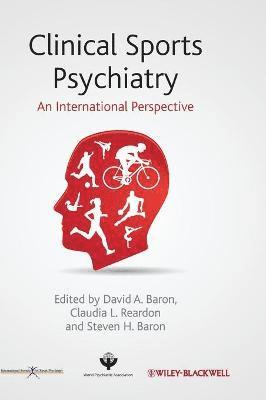
    Clinical Sports Psychiatry

    An International Perspective

    AvDavid A. Baron,David A. Baron

    Inbunden, Engelska, 2013

    Del i serien World Psychiatric Association

    1 038 kr

    Beställningsvara. Skickas inom 5-8 vardagar. Fri frakt över 249 kr.

    Beskrivning

    This book has it all - written by national and international experts and edited by world authorities, it is the first book on sport psychiatry in over a decade. Dealing with psychopathology, mental health problems and clinical management, it differs markedly from sports psychology books that focus on performance issues. Eating disorders, exercise addiction, drug abuse are all problems that are seen in 'everyday' athletes, not just elite performers. This book shows how to help. This text covers the most important topics in contemporary sports psychiatry/psychology from an international perspective. Chapter authors are experts in the field and global leaders in the related professional organizations, including current and past Presidents/Chairs of the International Society for Sports Psychiatry and of the World Psychiatric Association Section on Exercise and Sports Psychiatry. Authors are mainly psychiatrists: the rest are PhD sport psychologists.The book comprises representative chapter authors from around the world, to an extent unprecedented in this topic. The authors and editors are well-informed in global perspectives, e.g., having served as consultants to numerous Olympic teams, in addition to service on the International Society for Sports Psychiatry's Board of Directors.Specifically, this book covers four main categories of topics:1) mental health challenges faced by athletes (including substance use disorders, exercise addiction, eating disorders, depression, suicide, and concussion),2) treatment approaches and therapeutic issues with athletes (including different types of psychotherapy for psychiatric disorders, psychotherapeutic performance enhancement approaches, transference and countertransference issues, achievement by proxy, psychotherapeutic issues as applied to a couple of sports that are played around the world, and use of psychiatric medications in athletes),3) psychosocial issues affecting athletes (including sexual harassment and abuse, cultural issues, and ethics issues), and4) the field of sports psychiatry (including work within one common sports psychiatry practice setting, and current status of and challenges in the field of sports psychiatry).There is a growing need for this book. Performance-enhancing drugs, use of psychotropics in impaired athletes, head trauma, sexual abuse, eating disorders, ethics, and depression and suicide in athletes, are just a few of the timely subjects addressed in this text. This is the only comprehensive reference available for those working in the field (or merely interested in it) to consult for current information on these topics. The existing sports psychology texts all focus on performance issues, with little, if any, attention paid to these areas of clinical significance. The book addresses the core differences between sports psychiatry and sports psychology, as well as the areas of overlap. Emphasis is placed on how the disciplines should work together in diagnosing and treating athletes dealing with emotional stress and psychopathology.Chapters include case examples and specific goals listed at the beginning, along with tables and graphs to highlight key concepts.

    Produktinformation

    • Utgivningsdatum:2013-05-23
    • Mått:175 x 246 x 20 mm
    • Vikt:612 g
    • Format:Inbunden
    • Språk:Engelska
    • Serie:World Psychiatric Association
    • Antal sidor:248
    • Förlag:John Wiley and Sons Ltd
    • ISBN:9781118404881

    Utforska kategorier

    • Idrottsmedicin och idrottsskador inom Medicin
    • Psykiatri inom Medicin

    Mer om författaren

    David Baron, MSEd, DO, DFAPA, FACP, FACN is Professor and Vice Chair of the Dept. of Psychiatry at the Keck School of Medicine of the University of Southern California, and Psychiatrist-in-Chief of Keck University Hospitals of USC. He is the founder and Chair of the Section on Exercise, Psychiatry, and Sport of the World Psychiatric Association, Board member of the International Society of Sports Psychiatrists, and Director of the Center for Psychiatry and Sports at USC. Prof. Baron has published 5 books, over 20 chapters, over 85 papers, and is the executive producer on 2 films related to mental health in youth sports. He has won numerous national and international awards for his work in sports psychiatry over the past 3 decades.Claudia L. Reardon, MD is a Board-Certified psychiatrist and faculty member at the University of Wisconsin School of Medicine and Public Health. She completed her college, medical school, and residency training at the University of Wisconsin. She has special expertise in the diagnosis and treatment of psychiatric disorders in athletes, and in the use of exercise to prevent and treat mental illness. Dr. Reardon writes and speaks widely on these topics. She serves on the Board of Directors of the International Society for Sports Psychiatry and is the American Psychiatric Association Member Expert on sports psychiatry. She is an avid runner and comes from a family of accomplished athletes, including her Olympic gold medalist brother Andrew Rock.

    Recensioner i media

    “While there are other books about sports psychiatry, this one provides a panorama of the field. It is unprecedented in its scope and organization.  Because sports are universal, this book has particularly broad appeal given the diverse backgrounds of its contributors and its attention to cultural attributespective.”  (Doody’s, 15 November 2013)

    Innehållsförteckning

    • Contributors xi Foreword by Steve Peters xivForeword by Thomas Newmark xviAcknowledgments xviiiPreface xixPART ONE: MENTAL HEALTH CHALLENGES FACED BY ATHLETES 11 Substance Use in Athletes 3Eric D. MorseBackground and Scope of Problem 3Reasons for Use 4Traumatic Brain Injury 5Recognizing Substance Use 6Treatment 7College versus Professional 8Specific Substances 8Conclusions 112 Addiction in Retired Athletes 13Pavel A. PonizovskiyBackground 13Athletic Retirement – Always Traumatic? 13A Model of Adaptation to Athletic Retirement 14Substance Abuse and Addiction in Retired Athletes 16Preretirement Predispositions to Addictions 17Painkillers Misuse 17Smoking 17Drinking 18Conclusion 183 Doping in Sport 21David A. Baron, Claudia L. Reardon, and Steven H. BaronIntroduction 21History of Doping in Sport 22The Current State of Doping in Sports 23Controversies of Positive Drug Tests 26Financial and Business Implications 26Short- and Long-Term Effects of Doping 27Gene Doping 29Cultural Issues Associated with Doping 29Case Studies 29Summary 304 Exercise Addiction: The Dark Side of Sports and Exercise 33Tamás Kurimay, Mark D. Griffiths, Krisztina Berczik, and Zsolt DemetrovicsDefinitions, Symptomology, and Classification 33Assessment of Exercise Addiction 35Epidemiology 35Comorbidity 35Etiology 37Conclusion and Implications 40Acknowledgments 405 Eating Disorders in Athletes 44Antonia L. BaumIntroduction 44Epidemiology 45The Role of Sports in the Genesis of Eating Disorders and Sports-Specific Eating Disorders 46Eating Disorders in the Male Athlete 48The Female Athlete Triad 49Treatment 49Future Research 516 Personality and Personality Disorders in Athletes 53Heba M. Fakher M. Hendawy and Ezzat Abdelazeem A. AwadIntroduction 53Personality Traits in Athletes 54Perfectionism 56Anger and Aggression 57Athletic Identity 57Personality Disorders in Athletes 58Case Studies 60Summary 627 Assessing and Treating Depression in Athletes 65David A. Baron, Steven H. Baron, Joshua Tompkins, and Aslihan PolatIntroduction 65Defining Depression 66Symptoms and Presentation 66Diagnostic Issues 67Diagnostic Tools 68Treatment 69Special Considerations 71Conclusion 768 Suicide in Athletes 79Antonia L. BaumIntroduction 79Etiology 80Retirement 81Psychological Traits 81Substance Abuse/Anabolic Steroid Abuse 82Axis I Psychopathology 83Pressure to Win 84Sexual Abuse 85Homosexuality 85Firearms 85Cultural Influences 85Prevention 86Sports as Therapy 86Future Research 869 Concussion in Sports 89David A. Baron, Claudia L. Reardon, Jeremy DeFranco, and Steven H. BaronIntroduction 89What is Concussion and Traumatic Brain Injury? 90Pathophysiology of Concussion 91Diagnosis of Concussion 91Epidemiology and Etiology of Concussion 93Prevention of Concussion 93Post-concussion Syndrome 94Second Impact Syndrome 94Chronic Traumatic Encephalopathy 95Future Research 9810 Posttraumatic Stress in Athletes 102Thomas Wenzel and Li Jing ZhuGeneral Aspects 102Risk Factors 105Other Research on Diagnosis of Posttraumatic Stress Symptoms in Athletes 107Further Specific Reactions to Extreme Stress in Sport 107Relevance 109Clinical Considerations and Interventions 110Conclusions 111PART TWO: TREATMENT APPROACHES AND THERAPEUTIC ISSUES WITH ATHLETES 11511 Psychotherapeutic Treatment of Athletes and Their Significant Others 117Mark A. Stillman, Eva C. Ritvo, and Ira D. GlickIntroduction 117The Athlete-Patient 118Psychotherapy with the Athlete-Patient: Unique Challenges 121Conclusion 12212 Mindfulness, Attention, and Flow in the Treatment of Affective Disorders in Athletes 124Brandon J. CornejoIntroduction 124Mindfulness 125Flow 126Attention in Sports 127Mindfulness, Exercise, and Mental Health 128Bridging the Gap between Flow and Mindfulness – Developing a Treatment Approach 128Conclusions 12913 Performance Enhancement and the Sports Psychiatrist 132Michael T. Lardon and Michael W. FitzgeraldIntroduction 132Motivation and Goal Setting 133Maximizing Cognition and Emotion in Competitive Environments 136Attentional Focus and Mental Imagery 139Positive Psychology, Peak Performance, and the Athletic Zone 140Summary 14514 Applied Sports Psychology in Worldwide Sport: Table Tennis and Tennis 147Kathy Toon, Dora Kurimay, and Tamás KurimayIntroduction 147Tennis and Table Tennis: Examples of Worldwide Sports 148The Game Face Routine 149The Game Face Pyramid 153Recommendations and Conclusions 15515 The Use of Psychiatric Medication by Athletes 157Claudia L. Reardon and Robert M. FactorIntroduction 157Antidepressants 158Anxiolytics and Sedative-Hypnotics 159Stimulants 161Mood Stabilizers and Antipsychotics 162Recommendations and Conclusions 162PART THREE: PSYCHOSOCIAL ISSUES AFFECTING ATHLETES 16716 Sexual Harassment and Abuse in Sport 169Saul I. MarksWhat is Sexual Harassment and Abuse in Sport? 169Prevalence of Sexual Harassment and Abuse in Sport 170Perpetrators of Sexual Harassment and Abuse in Sport 170Risk Factors for Sexual Harassment and Abuse in Sport 170Physical and Psychological Consequences of Sexual Harassment and Abuse in Sport 173Physical Consequences and Medical Presentations of Sexual Harassment and Abuse in Sport 173Psychological Consequences of SHA in Sport 174Specific Psychological Consequences and Medical Presentations Seen in Sport in General 175Prevention by Understanding the Coach–Athlete Relationship 175The Team Doctor’s Role in Prevention of SHA 176Leadership from the International Olympic Committee 176Clinical Approach to Disclosure 176Conclusion 17717 The Role of Culture in Sport 179Claudia L. Reardon, David A. Baron, Steven H. Baron, Bulent Coskun, and Ugur CakirMulticulturalism 181Specific Examples of Important Cultural Issues in Sport 181Stigma and Access to Psychiatric Treatment Around the World 182Epidemiology of Mental Illness in Athletes Across Different Cultures 183Women, Sport, and Culture 184Conclusions 18618 Ethical Issues in Sports Psychiatry 188David A. Baron, Joshua Tompkins, Sally Mohamed, and Samir AbolmagdIntroduction: The Evolution of Medical Ethics 188Modern Medical Ethics 189Medical Ethics Around the World 190Ethical Issues in Psychiatry 191Mental Health in the Athletic Arena 192Sports Psychiatry: A Newcomer to the Field 193Ethics of other Sports Health-Care Professions 193Ethical Challenges for the Sports Psychiatrist 195Conclusion 197PART FOUR: THE FIELD OF SPORTS PSYCHIATRY 20119 Sports Psychiatrists Working in College Athletic Departments 203Eric D. MorseBackground 203Design 204Budget 204Who is Being Served 205Confidentiality 205Boundaries 205Improving Utilization with a Team Assistance Program Model 206Treatment Issues 209Part of the Sports Medicine Team 211Location 211Conclusion 21320 Sports Psychiatry: Current Status and Challenges 215Ira D. Glick, Thomas Newmark, and Claudia L. Reardon Background 215Evolution of the Field 216Challenges for the Field 216The Role of Professional Sports Psychiatry Organizations 217Index 219