David A. Baron – författare
1 087 kr
Skickas inom 5-8 vardagar
1 210 kr
Läs direkt efter köp
Features:
Instruction on developing a curriculum for Residency training, teaching interviewing skills, teaching psychotherapy and using new technology Innovative ways of engaging medical students in psychiatry and developing their interest in the specialty, including experience with new types of elective and research options and development of roles for students in patient care Focuses throughout on how to teach rather than what to teach Includes descriptions of workplace-based assessments Discussions of both theoretical and practical perspectives and examples of particular innovations in the field using case studiesPresented in a thoroughly readable and accessible manner, this book is a primary resource for all clinicians involved in teaching psychiatry to medical students and trainees.
1 210 kr
Läs direkt efter köp
Features:
Instruction on developing a curriculum for Residency training, teaching interviewing skills, teaching psychotherapy and using new technology Innovative ways of engaging medical students in psychiatry and developing their interest in the specialty, including experience with new types of elective and research options and development of roles for students in patient care Focuses throughout on how to teach rather than what to teach Includes descriptions of workplace-based assessments Discussions of both theoretical and practical perspectives and examples of particular innovations in the field using case studiesPresented in a thoroughly readable and accessible manner, this book is a primary resource for all clinicians involved in teaching psychiatry to medical students and trainees.
1 005 kr
Skickas inom 5-8 vardagar
1 163 kr
Läs direkt efter köp
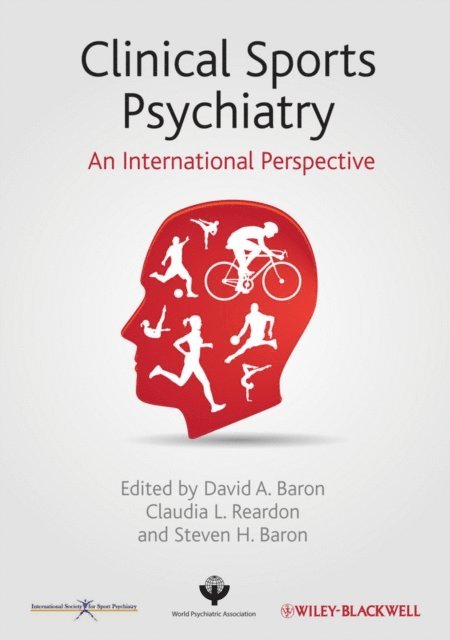
This text covers the most important topics in contemporary sports psychiatry/psychology from an international perspective. Chapter authors are experts in the field and global leaders in the related professional organizations, including current and past Presidents/Chairs of the International Society for Sports Psychiatry and of the World Psychiatric Association Section on Exercise and Sports Psychiatry. Authors are mainly psychiatrists: the rest are PhD sport psychologists.
The book comprises representative chapter authors from around the world, to an extent unprecedented in this topic. The authors and editors are well-informed in global perspectives, e.g., having served as consultants to numerous Olympic teams, in addition to service on the International Society for Sports Psychiatry''s Board of Directors.
Specifically, this book covers four main categories of topics:
1) mental health challenges faced by athletes (including substance use disorders, exercise addiction, eating disorders, depression, suicide, and concussion),
2) treatment approaches and therapeutic issues with athletes (including different types of psychotherapy for psychiatric disorders, psychotherapeutic performance enhancement approaches, transference and countertransference issues, achievement by proxy, psychotherapeutic issues as applied to a couple of sports that are played around the world, and use of psychiatric medications in athletes),
3) psychosocial issues affecting athletes (including sexual harassment and abuse, cultural issues, and ethics issues), and
4) the field of sports psychiatry (including work within one common sports psychiatry practice setting, and current status of and challenges in the field of sports psychiatry).
There is a growing need for this book. Performance-enhancing drugs, use of psychotropics in impaired athletes, head trauma, sexual abuse, eating disorders, ethics, and depression and suicide in athletes, are just a few of the timely subjects addressed in this text. This is the only comprehensive reference available for those working in the field (or merely interested in it) to consult for current information on these topics. The existing sports psychology texts all focus on performance issues, with little, if any, attention paid to these areas of clinical significance. The book addresses the core differences between sports psychiatry and sports psychology, as well as the areas of overlap. Emphasis is placed on how the disciplines should work together in diagnosing and treating athletes dealing with emotional stress and psychopathology.
Chapters include case examples and specific goals listed at the beginning, along with tables and graphs to highlight key concepts.
1 163 kr
Läs direkt efter köp
This text covers the most important topics in contemporary sports psychiatry/psychology from an international perspective. Chapter authors are experts in the field and global leaders in the related professional organizations, including current and past Presidents/Chairs of the International Society for Sports Psychiatry and of the World Psychiatric Association Section on Exercise and Sports Psychiatry. Authors are mainly psychiatrists: the rest are PhD sport psychologists.
The book comprises representative chapter authors from around the world, to an extent unprecedented in this topic. The authors and editors are well-informed in global perspectives, e.g., having served as consultants to numerous Olympic teams, in addition to service on the International Society for Sports Psychiatry''s Board of Directors.
Specifically, this book covers four main categories of topics:
1) mental health challenges faced by athletes (including substance use disorders, exercise addiction, eating disorders, depression, suicide, and concussion),
2) treatment approaches and therapeutic issues with athletes (including different types of psychotherapy for psychiatric disorders, psychotherapeutic performance enhancement approaches, transference and countertransference issues, achievement by proxy, psychotherapeutic issues as applied to a couple of sports that are played around the world, and use of psychiatric medications in athletes),
3) psychosocial issues affecting athletes (including sexual harassment and abuse, cultural issues, and ethics issues), and
4) the field of sports psychiatry (including work within one common sports psychiatry practice setting, and current status of and challenges in the field of sports psychiatry).
There is a growing need for this book. Performance-enhancing drugs, use of psychotropics in impaired athletes, head trauma, sexual abuse, eating disorders, ethics, and depression and suicide in athletes, are just a few of the timely subjects addressed in this text. This is the only comprehensive reference available for those working in the field (or merely interested in it) to consult for current information on these topics. The existing sports psychology texts all focus on performance issues, with little, if any, attention paid to these areas of clinical significance. The book addresses the core differences between sports psychiatry and sports psychology, as well as the areas of overlap. Emphasis is placed on how the disciplines should work together in diagnosing and treating athletes dealing with emotional stress and psychopathology.
Chapters include case examples and specific goals listed at the beginning, along with tables and graphs to highlight key concepts.