• Fri frakt över 249 kr
  • •
  • Snabba leveranser
  • •
  • Billiga böcker
Kundservice

Du är på sajten för privatpersoner.

Företag, bibliotek eller offentlig verksamhet?

Du handlar på classic.bokus.com, där alla dina funktioner finns intakta.
Till classic.bokus.com
Bokus logotyp. Gå till startsidan.
  • Erbjudanden
  • Nyheter
  • Student
  • Topplistor
  • Barn & ungdom
  • Bokus Play
  • E-böcker
  • Pocketböcker
  • Spel & pussel

10% rabatt på allt med kod: NYSTART10 →

Sidfot

Mina sidor

    Hjälp

    • Kundservice
    • Vanliga frågor och svar
    • Frakt och leverans
    • Retur vid ångerrätt
    • Reklamera vara
    • Betalning
    • Köpvillkor
    • Allmänna villkor
    • Information om webbplatsens tillgänglighet

    Om Bokus

    • Om oss
    • Pressrum
    • För studenter
    • För företag
    • För bibliotek och offentlig verksamhet
    • För leverantörer
    • Hållbarhet

    Populärt

    • Aktuella erbjudanden
    • Presentkort
    • Studentlitteratur
    • Nya böcker
    • Topplistor
    • Signerade böcker
    • Engelska böcker

    Inspiration

    • Boktips
    • BookTok
    • Populära bokserier
    • Barnbokskaraktärer
    • Populära författare
    Logotyp för Bokus
    Följ oss på Facebook (extern länk)Följ oss på Instagram (extern länk)Följ oss på YouTube (extern länk)Följ oss på TikTok (extern länk)
    bokus @ CookiesAnpassa cookiesIntegritetspolicyKöpvillkor
    Till Citymail hemsida (extern länk)Till Budbee hemsida (extern länk)Till Postnord hemsida (extern länk)Till Schenker hemsida (extern länk)Till Early Bird hemsida (extern länk)Till Walleys hemsida (extern länk)
    1. Psykologi och pedagogik
    2. Pedagogik
    3. Undervisning i specifika ämnen

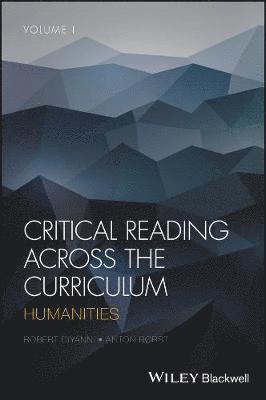
    Critical Reading Across the Curriculum, Volume 1

    Humanities

    AvRobert DiYanni,Anton Borst

    Häftad, Engelska, 2017

    429 kr

    Beställningsvara. Skickas inom 5-8 vardagar. Fri frakt över 249 kr.

    Fler format och utgåvor

    Inbunden

    979 kr

    Beskrivning

    Powerful strategies, tools, and techniques for educators teaching students critical reading skills in the humanities.Every educator understands the importance of teaching students how to read critically. Even the best teachers, however, find it challenging to translate their own learned critical reading practices into explicit strategies for their students. Critical Reading Across the Curriculum: Humanities, Volume 1 presents exceptional insight into what educators require to facilitate critical and creative thinking skills.Written by scholar-educators from across the humanities, each of the thirteen essays in this volume describes strategies educators have successfully executed to develop critical reading skills in students studying the humanities. These include ways to help students: focusactively re-read and reflect, to re-think, and re-considerunderstand the close relationship between reading and writingbecome cognizant of the critical importance of context in critical reading and of making contextual connectionslearn to ask the right questions in critical reading and reasoningappreciate reading as dialogue, debate, and engaged conversationIn addition, teachers will find an abundance of innovative exercises and activities encouraging students to practice their critical reading skills. These can easily be adapted for and applied across many disciplines and course curricula in the humanities.The lifelong benefits of strong critical reading skills are undeniable. Students with properly developed critical reading skills are confident learners with an enriched understanding of the world around them. They advance academically and are prepared for college success. This book arms educators (librarians, high school teachers, university lecturers, and beyond) with the tools to teach a most paramount lesson.

    Produktinformation

    • Utgivningsdatum:2017-04-21
    • Mått:150 x 229 x 15 mm
    • Vikt:363 g
    • Format:Häftad
    • Språk:Engelska
    • Antal sidor:272
    • Förlag:John Wiley and Sons Ltd
    • ISBN:9781119154877

    Utforska kategorier

    • Undervisning i specifika ämnen inom Psykologi och pedagogik
    • Historia inom Historia och arkeologi

    Mer om författaren

    Robert DiYanni is an adjunct professor of humanities and an instructional consultant at the Center for the Advancement of Teaching at New York University. In these capacities he teaches courses on critical thinking, interdisciplinary humanities, commerce and culture, and business and its publics, and conducts workshops and consultations with faculty throughout the university on aspects of pedagogical practice. Before coming to NYU, Dr. DiYanni taught at Queens College and Pace University and as a visiting professor at Harvard. He also served, for ten years, as Director of International Services at The College Board.

    Innehållsförteckning

    • Notes on contributors ixPreface xiiiAcknowledgments xviiPart I Frameworks and Approaches 11 Reading Responsively, Reading Responsibly: An Approach to Critical Reading 3Robert DiYanniBeing Critical 4Responsible Reading, Responsive Reading 6A Framework for Critical Reading 7Demonstration – E. B. White on the Moonwalk 12Application – Lincoln’s Gettysburg Address 17Reflective Reading – Reading and Living 21References 232 Reciprocal Acts: Reading and Writing 24Pat C. Hoy iiAStoryofNecessity 24Acts of Conception 25Working from Images 26Remembering Spontaneity 31Getting More Systematic 34Merging What and How 41Writing as Representation, Writing as Composition 47References 483 A Shared Horizon: Critical Reading and Digital Natives 49Anton BorstCritically Reading the Digital Native 51Responding to the Digital Native 53A Shared Horizon 55Devices, Screens, and Digital Native Reading Practices 56Conclusion 59References 60Part II Critical Reading in the Disciplines 634 Critical Reading and Thinking: Rhetoric and Reality 65Lawrence ScanlonRhetorical Challenges 67Ways of Reading 70Logos, Ethos, Pathos 70Demonstration: Annotating a Speech 71Everything’s an Argument: No It’s Not! Yes It Is! 74A Suite of Exercises 77Conclusion 81Notes 82References 825 The Community of Literature: Teaching Critical Reading and Creative Reflection 85Adrian BarlowWays of Reading 85Textual Conversations – Critical Dialogue 88Re-reading and Creative Reflection 91Demonstration – Hardy’s “In a Museum” 93Broadening Context 95Application – Middlemarch, Chapter XXIX 96Contemporary Contexts 99Notes 102References 1026 Approaching Intellectual Emancipation: Critical Reading in Art, Art History, and Wikipedia 104Amy K. HamlinReconsidering Wikipedia 104Reading Art: The Visual Analysis 109Reading Art History: The Annotated Bibliography 113Reading Wikipedia: The Comparative Analysis 119Chain Reactions 121Notes 121References 1227 Teaching Critical Reading of Historical Texts 123Michael HoganBasic Matters 123Challenges for Teachers 124Three Kinds of Reading 125Selecting Historical Documents for Analysis 126Marking and Preparing Historical Documents 128Reading Abraham Lincoln’s House Resolutions December 22, 1847 131Reading Martin Luther King, Jr.’s Speech Opposing the Vietnam War 136Conclusion 138Some Useful Sources for Critical Reading in History 139References 1408 Philosophy and the Practice of Questioning 141Matt StatlerQuestioning Toward Truth 141How Do We Come to Know Anything at All? 142Toward Practical Wisdom 149So What? The Effects of Reading Philosophy Critically 155Notes 156References 1579 Engaging Religious Texts 158Thomas Petriano“Pay Attention!” 158Reading as an Embodied and Dialogic Act 159Insights from the Religions 161The Three Worlds of Religious Texts 166Practices for Engaging Religious and Theological Texts 168Conclusion 171References 17210 Gender Studies as a Model for Critical Reading 174Pamela BurgerGender Studies and Critical Reading 175Deconstructing Gender 177Documentary Project 178Staging the Documentary Project 180Aesthetic Distance and Ironic Images of Gender 183Melanie Pullen’s High Fashion Crime Scenes and Cindy Sherman’s Centerfolds, 1981185References 18911 Reading and Teaching Films 190William V. CostanzoPersonal Response 191Analyzing Story 192Basic Film Terms 194Formal Analysis 197Genre Analysis 199Cultural Analysis 201Historical Analysis 203Representation in Film 205Film Theory 205Exercises 206References 20912 Thinking Through Drama 210Louis ScheederDrama and Argument 210The Classical Studio 214The Structure of Verse 215Following the Verse 217Exercises 220Conclusion 221References 22213 Approaches to Reading and Teaching Pop Songs 223Thomas M. KittsPopular Music and Its Contexts 223Reading a Pop Song 224Writing about Music 228Critical Reading: Theodor Adorno’s Criticism of Pop Music 231Socially Conscious Music 232Additional Writing Assignments 235Conclusion 236References 237Index 239