• Fri frakt över 249 kr
  • •
  • Snabba leveranser
  • •
  • Billiga böcker
Kundservice

Du är på sajten för privatpersoner.

Företag, bibliotek eller offentlig verksamhet?

Du handlar på classic.bokus.com, där alla dina funktioner finns intakta.
Till classic.bokus.com
Bokus logotyp. Gå till startsidan.
  • Erbjudanden
  • Nyheter
  • Student
  • Topplistor
  • Barn & ungdom
  • Bokus Play
  • E-böcker
  • Pocketböcker
  • Spel & pussel

10% rabatt på allt med kod NYSTART10 →

Sidfot

Mina sidor

    Hjälp

    • Kundservice
    • Vanliga frågor och svar
    • Frakt och leverans
    • Retur vid ångerrätt
    • Reklamera vara
    • Betalning
    • Köpvillkor
    • Allmänna villkor
    • Information om webbplatsens tillgänglighet

    Om Bokus

    • Om oss
    • Pressrum
    • För studenter
    • För företag
    • För bibliotek och offentlig verksamhet
    • För leverantörer
    • Hållbarhet

    Populärt

    • Aktuella erbjudanden
    • Presentkort
    • Studentlitteratur
    • Nya böcker
    • Topplistor
    • Signerade böcker
    • Engelska böcker

    Inspiration

    • Boktips
    • BookTok
    • Populära bokserier
    • Barnbokskaraktärer
    • Populära författare
    Logotyp för Bokus
    Följ oss på Facebook (extern länk)Följ oss på Instagram (extern länk)Följ oss på YouTube (extern länk)Följ oss på TikTok (extern länk)
    bokus @ CookiesAnpassa cookiesIntegritetspolicyKöpvillkor
    Till Citymail hemsida (extern länk)Till Budbee hemsida (extern länk)Till Postnord hemsida (extern länk)Till Schenker hemsida (extern länk)Till Early Bird hemsida (extern länk)Till Walleys hemsida (extern länk)
    1. Medicin
    2. Omvårdnad och medicinska stödfunktioner

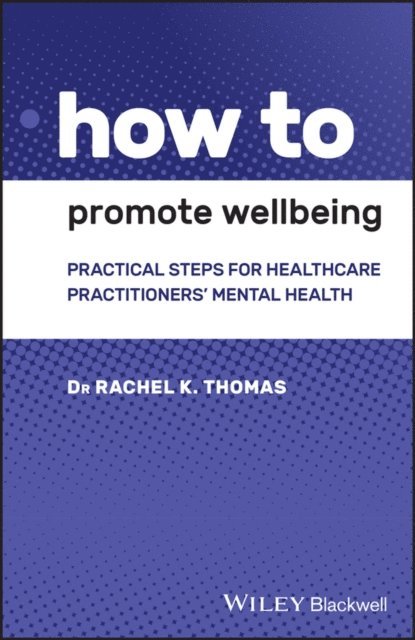
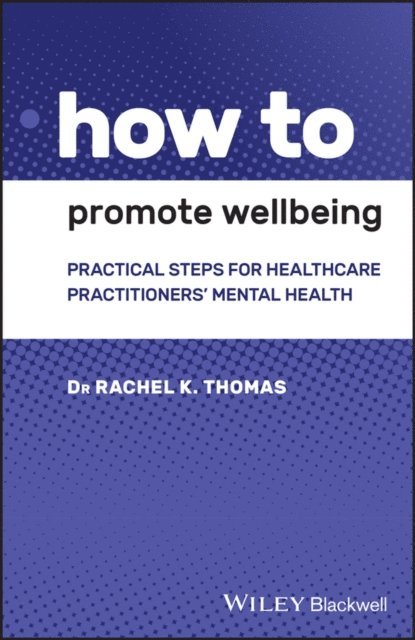
    How to Promote Wellbeing

    Practical Steps for Healthcare Practitioners' Mental Health

    AvRachel K. Thomas

    Häftad, Engelska, 2021

    Del i serien How To

    472 kr

    Beställningsvara. Skickas inom 5-8 vardagar. Fri frakt över 249 kr.

    Fler format och utgåvor

    E-bok

    536 kr

    E-bok

    536 kr

    Beskrivning

    How to Promote Wellbeing is a timely resource designed to help all healthcare practitioners promote and protect their own and their patients' wellbeing and mental health. Focusing on practical strategies and guidance, this much-needed book explores approaches for reducing burnout, managing stress, coping with pressure in healthcare settings, recognising signs of impaired decision-making, and much more.Written specifically for busy healthcare practitioners, the book offers focused and succinct chapters on topics ranging from behaviours to improve resilience and mindfulness, to approaches for maintaining work-life balance when confronted with excessive workloads and organisational pressures. Throughout the text, evidence-based tools and techniques are provided to improve the practitioner's health and facilitate the delivery of high-quality care. Covering a wide range of clinical situations and important issues, this book: Examines global, organisational, and individual problem factors affecting mental health and wellbeingDiscusses the impacts of chronic stress, burnout, technological and environmental factors, work-associated trauma, and sources of wellbeing strainIdentifies factors that negatively affect patients’ wellbeing in hospital, clinic, and outpatient settingsOffers guidance for emergencies and available resources for those in personal crisisIncludes a mental health and wellbeing toolkit, including assessments and strategiesHow to Promote Wellbeing is indispensable reading for doctors, nurses, dentists, therapists, counsellors, and other clinicians and health professionals.

    Produktinformation

    • Utgivningsdatum:2021-02-25
    • Mått:140 x 211 x 10 mm
    • Vikt:193 g
    • Format:Häftad
    • Språk:Engelska
    • Serie:How To
    • Antal sidor:144
    • Förlag:John Wiley and Sons Ltd
    • ISBN:9781119614364

    Utforska kategorier

    • Omvårdnad och medicinska stödfunktioner inom Medicin
    • Klinisk medicin och internmedicin inom Medicin

    Mer om författaren

    RACHEL K. THOMAS is a practicing doctor, award-winning author and leading healthcare innovator with a special interest in mental wellbeing, resilience and progressive medicine.

    Recensioner i media

    “In 'How to Promote Wellbeing', Dr Rachel Thomas has produced a timely resource designed to help all healthcare practitioners promote and protect their own wellbeing and mental health. From her own clinical medical background of neuroscience and the psychology of mental health, she provides practical strategies and guidance: by providing care to another human being, she explores how this can affect the carer … This mental health first aid tool should be in your department's library and in the hands of those with an educational or leader's role, caring for staff welfare and your wellbeing.” – Journal of Perioperative Practice

    Innehållsförteckning

    • About the author ixAcknowledgements xPreface xiIntroduction 1Learning outcomes 2Why should we be concerned about our own wellbeing? 3Why should we consider both problem factors and protective factors? 5Chapter 1 General problem factors affecting global mental health and wellbeing 7Problem factor: Global mental health burden 7Problem factor: Accessing resources 9Problem factor: Multiple potential impacts on individual mental health 11Problem factor: The acute and chronic stress responses 12Problem factor: The diathesis-stress model 15Problem factor: Stigma 16Chapter 2 Problem factors affecting healthcare practitioner mental health and wellbeing 19Problem factor: Perceptions of invulnerability 19Problem factor: Presenteeism 20Problem factor: Perceptions of hierarchy 22Problem factor: Burnout 23Problem factor: Compassion fatigue 30Problem factor: Perfectionistic personality traits 33Problem factor: Lack of recovery behaviours 34Problem factor: Sleep cycle derangement and sleep deprivation 35Chapter 3 Problem and protective factors affecting patients' mental health and wellbeing 37Factor to consider: The interlinkage of mental and physical health 37Factor to consider: Sleep 40Factor to consider: Diet 42Factor to consider: Cognitive aspects 42Chapter 4 Protective factors for organisational implementation 44Protective factor: Organisational resilience 45Protective factor: Organisational approaches to addressing stigmatisation 49Protective factor: Creating a culture of support 50Protective factor: Facilitating access and awareness of support avenues 53Protective factor: Promoting communication 54Protective factor: Balancing the psychosocial safety climate 55Protective factor: Implementing a wellbeing strategy 58Chapter 5 Protective factors for individual implementation 60Protective factor: Learning a new wellbeing skill 60Protective factor: Defining motivation to change 62Protective factor: Individual resilience 63Protecting factor: Compassion satisfaction and self-care 64Protective factor: Promoting individual action 68Protective factor: Awareness and mitigation of risk factors for burnout 69Protective factor: Recognising and intervening approaching burnout and compassion fatigue 70Protective factor: Connection 73Protective factor: Access to support 73Protective factor: Judicious use of standardised processes and templates 76Protective factor: Practising self-awareness and meditation/mindfulness 77Protective factor: Adequate sleep 78Protective factor: Balanced diet 81Protective factor: Adequate hydration 83Protective factor: Optimising thinking styles 84Protective factor: Appropriate delegation 90Protective factor: Reflection on personal accomplishment 92Protective factor: Physical activity 93Protective factor: Gratitude practices 94Chapter 6 Protective factors for individual trainee/student implementation 95Protective factor: Medical school education styles 95Protective factor: Good habits around maintaining patient confidentiality 96Protective factor: Maintaining thorough record keeping 97Protective factor: Maintaining clear communication 98Protective factor: Planning training requirements 99Chapter 7 Emergencies in mental health and wellbeing 100Professional emergency: Pandemics 100Professional emergency: Patient mental health 101Professional emergency: Whistleblowing 102Personal emergency: Personal crisis 105Chapter 8 Mental health and wellbeing toolkit 106Reframing 107Weighing the evidence 107Softening black-and-white thinking 107Focusing on the benefits 107Journaling 108Reflecting 108Challenging thought processes 108Pausing 108Delegating 108Working as a team 109Noticing anticipatory stress 109Accepting 'good enough' 109Replacing 'should' and 'must' 109Playing out 'what if. . .?' 110Connecting 110Mentoring and buddying-up 110Being thankful 110Feeling a sensation 111Progressively relaxing our muscles 111Progressively mentally scanning our body 111Deep breathing 111Focusing on a physical sensation 112Moving 112Drinking de-caffeinated drinks after 3pm 112Removing blue light after 8pm 112Prioritising sleep 112Starting and keeping to a regular sleep schedule 113Drinking enough water 113Eating well 113Sitting less 113Going outside 113Talking 114Accessing online resources 114References 115Index 130