E-bok, Engelska, 2012
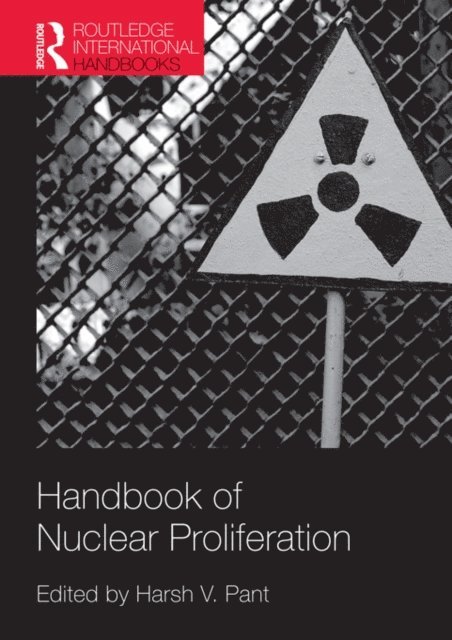
Handbook of Nuclear Proliferation
Av Harsh V Pant
1039 kr
Läs direkt i Bokus Reader – eller ladda ned till din enhet
Beskrivning
The chapters of this proposed volume are intended to shed light on the diverse themes surrounding this very important issue area in international security. Each of the six major sections addresses an aspect of nuclear proliferation that will be critical in determining the future trajectory of global politics in the years to come.
The first section examines the major thematic issues underlying the contemporary discourse on nuclear proliferation. How do we understand this period in proliferation? What accounts for a taboo on the use of nuclear weapons so far and will it survive? What is the present state of nuclear deterrence models built during the Cold War? What is the relationship between the pursuit of civilian nuclear energy and the risks of proliferation? Why are we witnessing a move away from non-proliferation to counter-proliferation?
The second section gives an overview of the evolving nuclear policies of the five established nuclear powers: the USA, Russia, the United Kingdom, France and the People''s Republic of China.
Section three looks at the three de facto nuclear states: India, Pakistan and Israel.
The fourth section examines the three problem areas in the proliferation matrix today – Iran, North Korea and the potent mix of non-state actors and nuclear weapons.
The fifth section sheds light on an important issue often ignored during discussions of nuclear proliferation – cases where states have made a deliberate policy choice of either renouncing their nuclear weapons programme, or have decided to remain a threshold state. The cases of South Africa, Egypt and Japan will be the focus of this section.
The final section will examine the present state of the global nuclear non-proliferation regime, which most observers agree is currently facing a crisis of credibility. The three pillars of this regime – the Nuclear Non-Proliferation Treaty (NPT), the Comprehensive Test Ban Treaty (CTBT), and the Fissile Material Cut-Off Treaty (FMCT) – will be examined. This is followed by an analysis of the present trends and prospects for US-Russia nuclear arms control. The impact of missile defenses and the US-India civilian nuclear energy co-operation pact will be examined so as to ascertain whether they have weakened or strengthened the global non-proliferation regime.
The chapters in this volume aim to document the increasing complexity of the global nuclear proliferation dynamic and the inability of the international community to come to terms with a rapidly changing strategic milieu. The future, in all likelihood, will be very different from the past, and the chapters in this volume will try to develop a framework that may help gain a better understanding of the forces that will shape the nuclear proliferation debate in the years to come.
Proposed Contents
Introduction – Overview
Part 1: Thematic Issues
The Second Nuclear Age
The Nuclear Taboo
Nuclear Deterrence
Nuclear Energy and Non-Proliferation
Non-Proliferation and Counter Proliferation
Non-State Actors and Nuclear Weapons
Part 2: The Five Nuclear Powers
USA
Russia
United Kingdom
France
People''s Republic of China
Part 3: De Facto Nuclear States
India
Pakistan
Israel
Part 4: The ‘Problem’ States
Iran
North Korea
Part 5: The ‘Threshold’ States
South Africa
Japan
Egypt
Part 6: The Global Non-Proliferation Regime
The NPT
The CTBT
The FMCT
US-Russia Nuclear Arms Control
The Impact of Missile Defenses
The US-India Nuclear Deal
The Future: What It May Hold In Store
Conclusion
Produktinformation
- Utgivningsdatum: 2012-02-27
- Språk: Engelska
- Filformat: EPUB
- Kopieringsskydd: LCP
- ISBN: 9781136894428
- Förlag: Taylor and Francis Group
Utforska kategorier
Betyg & recensioner
0 recensioner
Inga recensioner tillgängliga.