• Fri frakt över 249 kr
  • •
  • Snabba leveranser
  • •
  • Billiga böcker
Kundservice

Du är på sajten för privatpersoner.

Företag, bibliotek eller offentlig verksamhet?

Du handlar på classic.bokus.com, där alla dina funktioner finns intakta.
Till classic.bokus.com
Bokus logotyp. Gå till startsidan.
  • Erbjudanden
  • Nyheter
  • Student
  • Topplistor
  • Barn & ungdom
  • Bokus Play
  • E-böcker
  • Pocketböcker
  • Spel & pussel

10% rabatt på allt med kod: NYSTART10 →

Sidfot

Mina sidor

    Hjälp

    • Kundservice
    • Vanliga frågor och svar
    • Frakt och leverans
    • Retur vid ångerrätt
    • Reklamera vara
    • Betalning
    • Köpvillkor
    • Allmänna villkor
    • Information om webbplatsens tillgänglighet

    Om Bokus

    • Om oss
    • Pressrum
    • För studenter
    • För företag
    • För bibliotek och offentlig verksamhet
    • För leverantörer
    • Hållbarhet

    Populärt

    • Aktuella erbjudanden
    • Presentkort
    • Studentlitteratur
    • Nya böcker
    • Topplistor
    • Signerade böcker
    • Engelska böcker

    Inspiration

    • Boktips
    • BookTok
    • Populära bokserier
    • Barnbokskaraktärer
    • Populära författare
    Logotyp för Bokus
    Följ oss på Facebook (extern länk)Följ oss på Instagram (extern länk)Följ oss på YouTube (extern länk)Följ oss på TikTok (extern länk)
    bokus @ CookiesAnpassa cookiesIntegritetspolicyKöpvillkor
    Till Citymail hemsida (extern länk)Till Budbee hemsida (extern länk)Till Postnord hemsida (extern länk)Till Schenker hemsida (extern länk)Till Early Bird hemsida (extern länk)Till Walleys hemsida (extern länk)
    1. Historia och arkeologi
    2. Historia
    3. Historia: särskilda händelser och ämnen
    4. Kolonialism och imperialism

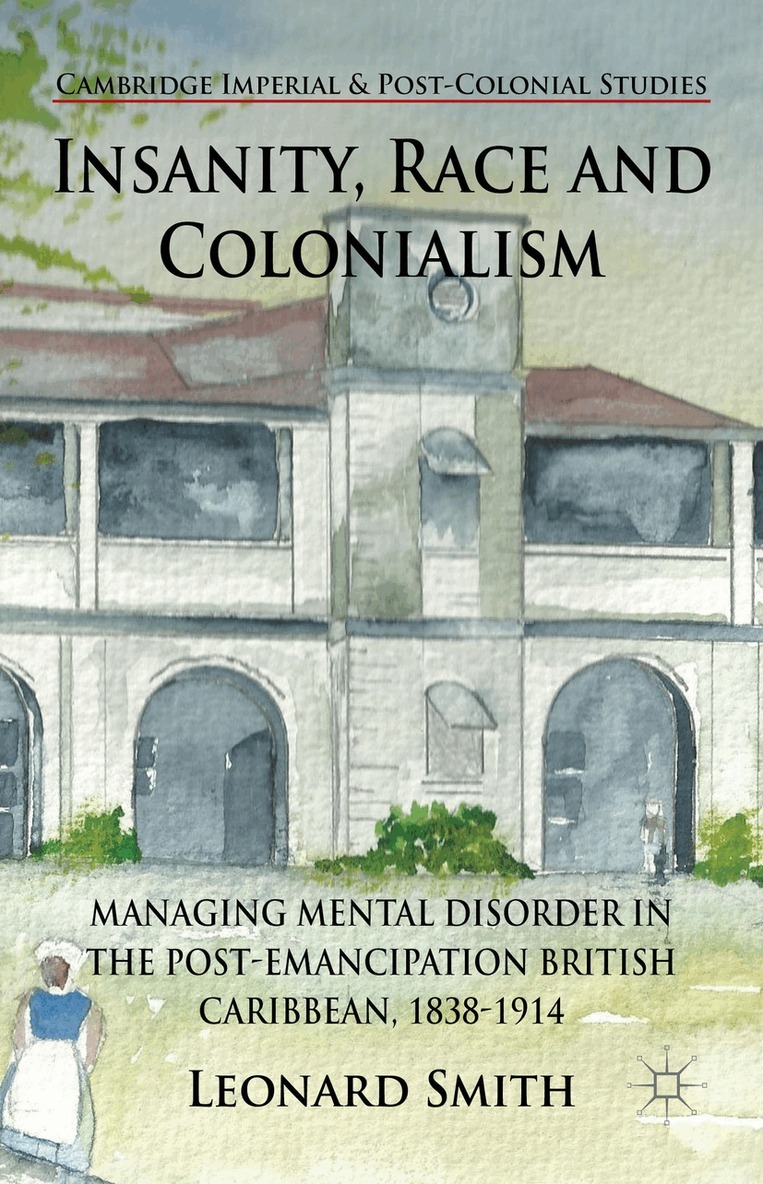
    Insanity, Race and Colonialism

    Managing Mental Disorder in the Post-Emancipation British Caribbean, 1838-1914

    AvL. Smith

    Inbunden, Engelska, 2014

    Del i serien Cambridge Imperial and Post-Colonial Studies

    563 kr

    Beställningsvara. Skickas inom 10-15 vardagar. Fri frakt över 249 kr.

    Fler format och utgåvor

    E-bok

    777 kr

    Häftad

    563 kr

    Beskrivning

    Despite emancipation from the evils of enslavement in 1838, most people of African origin in the British West Indian colonies continued to suffer serious material deprivation and racial oppression. This book examines the management and treatment of those who became insane, in the period until the Great War.

    Produktinformation

    • Utgivningsdatum:2014-10-22
    • Mått:140 x 216 x 18 mm
    • Vikt:491 g
    • Format:Inbunden
    • Språk:Engelska
    • Serie:Cambridge Imperial and Post-Colonial Studies
    • Antal sidor:285
    • Upplaga:2014
    • Förlag:Palgrave Macmillan
    • ISBN:9781137028624

    Utforska kategorier

    • Kolonialism och imperialism inom Historia och arkeologi
    • Amerikas historia inom Historia och arkeologi
    • Socialt arbete och välfärd inom Samhälle och politik

    Mer om författaren

    Leonard Smith is Honorary Senior Research Fellow at the University of Birmingham, UK. He has written extensively on the history of provision for the insane in the 18th and 19th centuries. His publications include 'Cure, Comfort and Safe Custody': Public Lunatic Asylums in early Nineteenth-Century England (1999) and Lunatic Hospitals in Georgian England, 1750-1830 (2007). He has worked in mental health services since 1973.

    Recensioner i media

    "A richly-researched and wide-ranging study, that forces readers to think again about the history of psychiatry, about empire, and about its impact on the Caribbean." - James H. Mills, Professor of Modern History, Centre for the Social History Of Health and Healthcare (CSHHH) Glasgow, University of Strathclyde, UK

    Innehållsförteckning

    • Introduction 1. Caribbean Institutions in Context 2. The Early Lunatic Asylums 3. Scandal in Jamaica - The Kingston Lunatic Asylum 4. Reform - The Jamaica Lunatic Asylum 5. Colonial Asylums in Transition 6. Pathways to the Asylum 7. The Patient Challenge 8. The Colonial Asylum Regime Conclusion