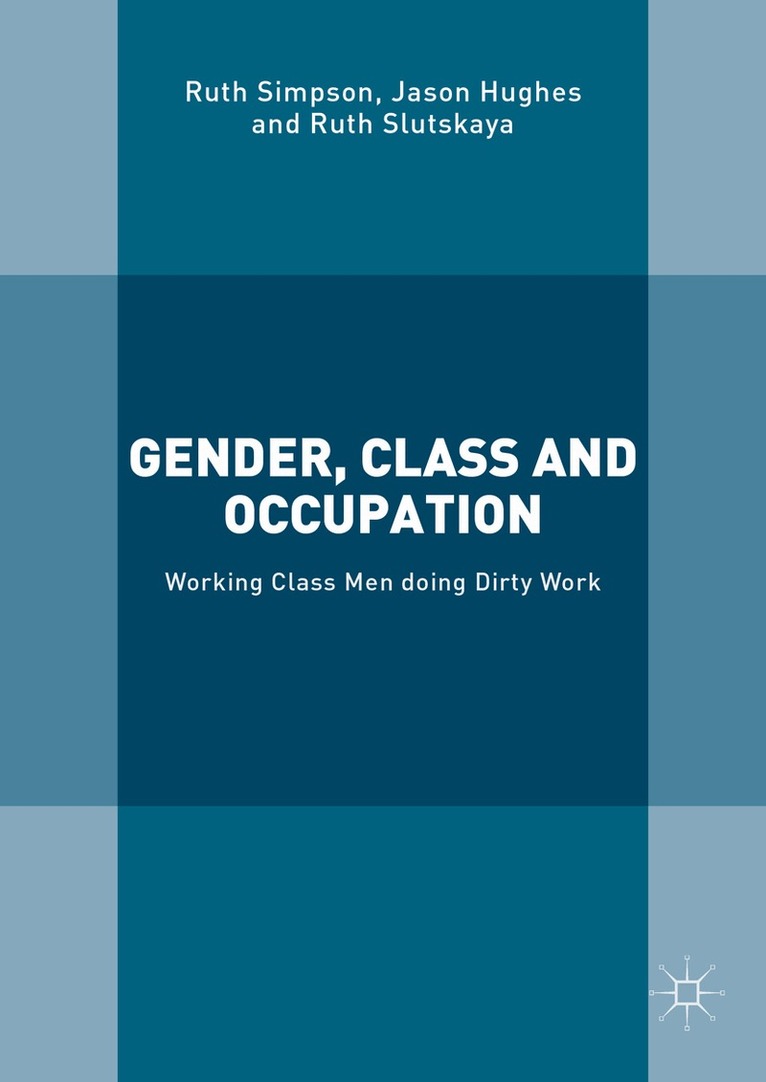
Inbunden, Engelska, 2016
Gender, Class and Occupation
Av Ruth Simpson, Jason Hughes, Natasha Slutskaya
1310 kr
Beställningsvara. Skickas inom 10-15 vardagar. Fri frakt över 249 kr.
Beskrivning
This insightful new study explores an emerging and growing interest in Sociology and Organization Studies which concerns the meanings and experiences of ‘dirty’ work. Based on a unique study of male street cleaners, refuse collectors, graffiti removers and butchers, and drawing on Bourdieu as a theoretical frame, it presents an ‘embodied’ understanding of ‘dirty’ work. Gender, Work and Occupation explores new avenues of workplace studies, highlighting how material conditions both support and constrain processes of occupation-based ideological constructions. Using original field research, the authors put forward a different agenda in terms of how we think about dirty work, and how we can explore and understand the ‘lived experiences’ of dirty workers.
Produktinformation
- Utgivningsdatum: 2016-09-28
- Mått: 148 x 210 x 22 mm
- Vikt: 506 g
- Format: Inbunden
- Språk: Engelska
- Antal sidor: 277
- Upplaga: 16001
- Förlag: Palgrave Macmillan
- ISBN: 9781137439673
Utforska kategorier
Betyg & recensioner
0 recensioner
Inga recensioner tillgängliga.