• Fri frakt över 249 kr
  • •
  • Snabba leveranser
  • •
  • Billiga böcker
Kundservice

Du är på sajten för privatpersoner.

Företag, bibliotek eller offentlig verksamhet?

Du handlar på classic.bokus.com, där alla dina funktioner finns intakta.
Till classic.bokus.com
Bokus logotyp. Gå till startsidan.
  • Erbjudanden
  • Nyheter
  • Student
  • Topplistor
  • Barn & ungdom
  • Bokus Play
  • E-böcker
  • Pocketböcker
  • Spel & pussel

10% rabatt på allt med kod: NYSTART10 →

Sidfot

Mina sidor

    Hjälp

    • Kundservice
    • Vanliga frågor och svar
    • Frakt och leverans
    • Retur vid ångerrätt
    • Reklamera vara
    • Betalning
    • Köpvillkor
    • Allmänna villkor
    • Information om webbplatsens tillgänglighet

    Om Bokus

    • Om oss
    • Pressrum
    • För studenter
    • För företag
    • För bibliotek och offentlig verksamhet
    • För leverantörer
    • Hållbarhet

    Populärt

    • Aktuella erbjudanden
    • Presentkort
    • Studentlitteratur
    • Nya böcker
    • Topplistor
    • Signerade böcker
    • Engelska böcker

    Inspiration

    • Boktips
    • BookTok
    • Populära bokserier
    • Barnbokskaraktärer
    • Populära författare
    Logotyp för Bokus
    Följ oss på Facebook (extern länk)Följ oss på Instagram (extern länk)Följ oss på YouTube (extern länk)Följ oss på TikTok (extern länk)
    bokus @ CookiesAnpassa cookiesIntegritetspolicyKöpvillkor
    Till Citymail hemsida (extern länk)Till Budbee hemsida (extern länk)Till Postnord hemsida (extern länk)Till Schenker hemsida (extern länk)Till Early Bird hemsida (extern länk)Till Walleys hemsida (extern länk)
    1. Juridik
    2. Internationell rätt

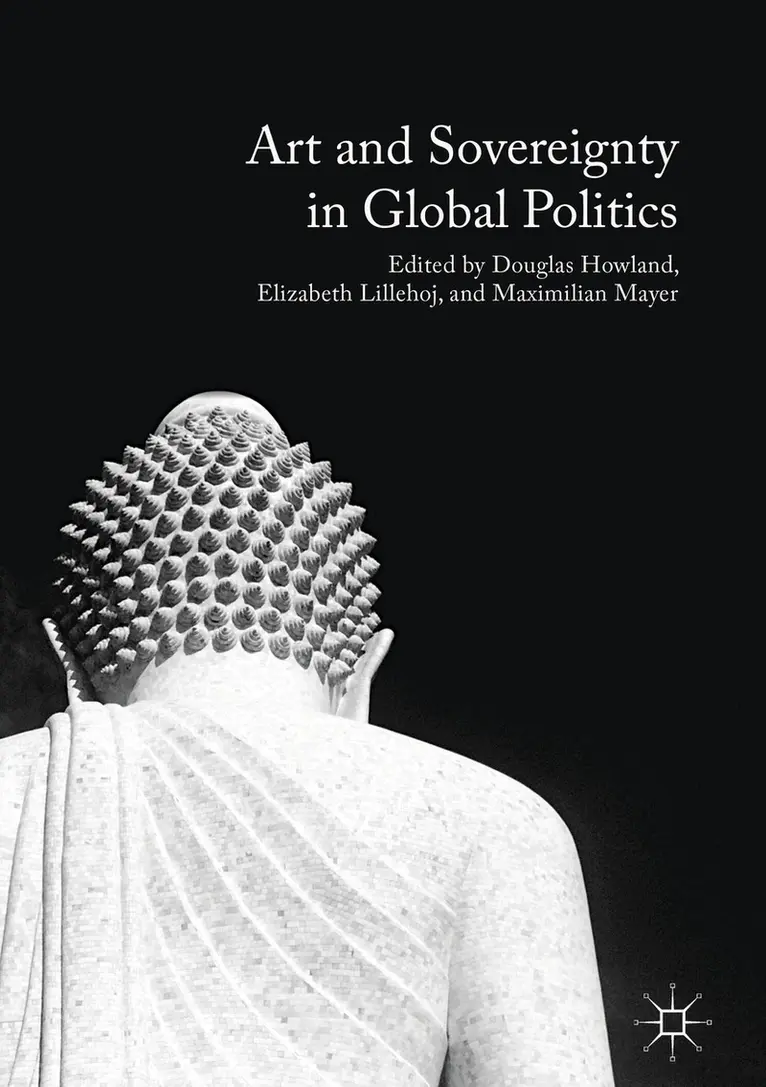
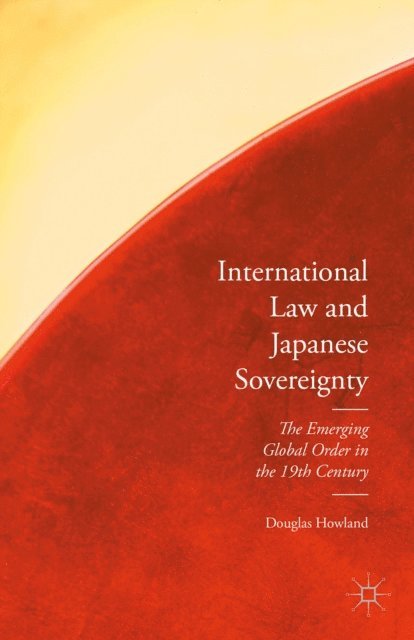
    International Law and Japanese Sovereignty

    The Emerging Global Order in the 19th Century

    AvDouglas Howland

    Inbunden, Engelska, 2016

    1 674 kr

    Beställningsvara. Skickas inom 10-15 vardagar. Fri frakt över 249 kr.

    Fler format och utgåvor

    E-bok

    2 171 kr

    Beskrivning

    How does a nation become a great power? A global order was emerging in the nineteenth century, one in which all nations were included. This book explores the multiple legal grounds of Meiji Japan's assertion of sovereign statehood within that order: natural law, treaty law, international administrative law, and the laws of war. Contrary to arguments that Japan was victimized by 'unequal' treaties, or that Japan was required to meet a 'standard of civilization' before it could participate in international society, Howland argues that the Westernizing Japanese state was a player from the start. In the midst of contradictions between law and imperialism, Japan expressed state will and legal acumen as an equal of the Western powers – international incidents in Japanese waters, disputes with foreign powers on Japanese territory, and the prosecution of interstate war. As a member of international administrative unions, Japan worked with fellow members to manage technical systems such asthe telegraph and the post. As a member of organizations such as the International Law Association and as a leader at the Hague Peace Conferences, Japan helped to expand international law. By 1907, Japan was the first non-western state to join the ranks of the great powers.

    Produktinformation

    • Utgivningsdatum:2016-02-19
    • Mått:140 x 216 x 19 mm
    • Vikt:450 g
    • Format:Inbunden
    • Språk:Engelska
    • Antal sidor:232
    • Upplaga:16001
    • Förlag:Palgrave Macmillan
    • ISBN:9781137571083

    Utforska kategorier

    • Internationell rätt inom Juridik
    • Asiens historia inom Historia och arkeologi
    • Internationella relationer inom Samhälle och politik

    Mer om författaren

    Douglas Howland is the Buck Professor of Chinese History at the University of Wisconsin-Milwaukee, USA. He is the author of four books and co-editor (with Luise White) of The State of Sovereignty: Territories, Laws, Populations (2009).

    Recensioner i media

    "This fascinating book challenges us to reexamine the 'standard of civilization' thesis that lies at the heart of the rise of the modern international order. Could China and other non-Western nations have avoided humiliation and defeat at the hands of Western Powers had they followed Japan's steps in using rather than rejecting available instruments of international law to establish their sovereignty?"- Amitav Acharya, UNESCO Chair in Transnational Challenges and Governance and Professor, School of International Service, American University, USA "Howland's book is impressive in the width and breath of his treatment of state practice and of the sources he uses. His comprehensive treatment leads to an especially rich narrative about the confrontation between the West and the periphery and its role in the formation of modern international law."- Randall Lesaffer, Professor, Law School and Department for Public Law, Jurisprudence and Legal History, Tilburg University, the Netherlands "Howland knows well current understandings of global political history, but by focusing on how leaders and diplomats, broadly defined, used law, he provides solid empirical work to show how our current understanding of the rise and formation of the international, especially in East Asia, desperately needs revision."- Stefan Tanaka, Professor of Communication and Director, Center for the Humanities Education, University of California, San Diego, USA

    Innehållsförteckning

    • 1. International Legal Grounds for State Sovereignty2. The Family of Nations and Conflict of Laws3. Territorial Sovereignty and Extraterritorial Privilege4. The Alternative Order of International Administration5. Mastering the International Laws of War6. Japan Among the Great Powers