Inbunden, Engelska, 2016
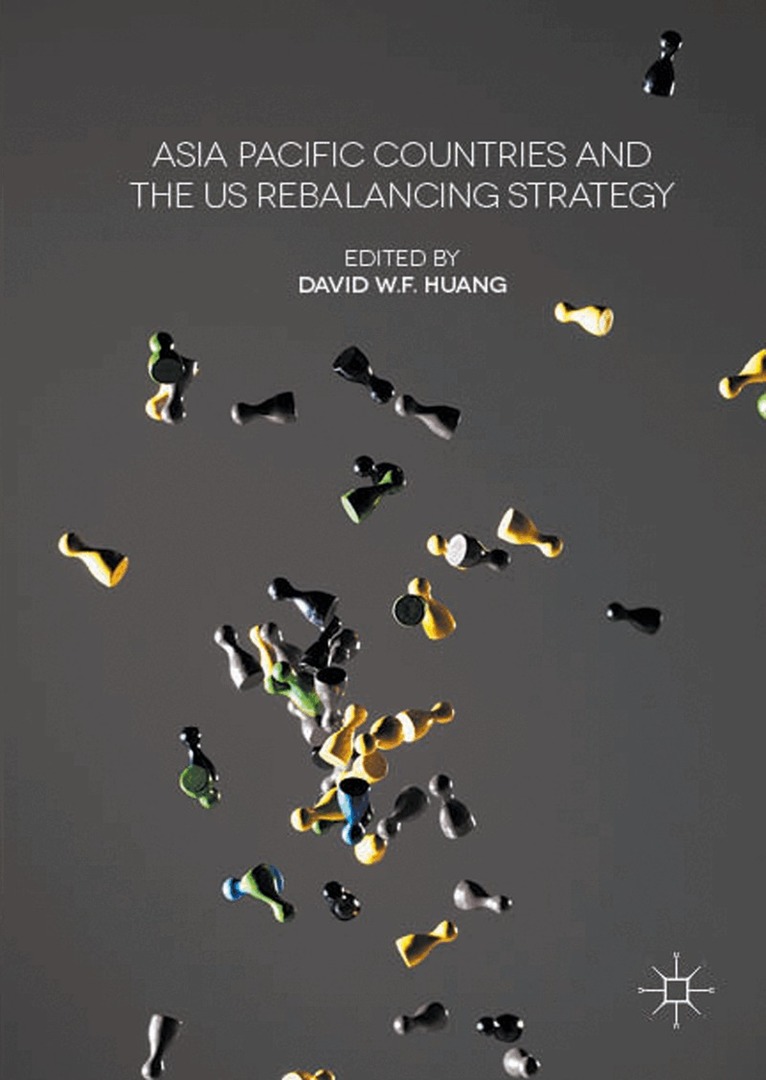
Asia Pacific Countries and the US Rebalancing Strategy
1096 kr
Beställningsvara. Skickas inom 10-15 vardagar. Fri frakt över 249 kr.
Beskrivning
This book examines the success of the US rebalancing (or pivot) strategy towards Asia, placing the US pivot in a historical context while highlighting its policy content and management dilemmas. Further, the contributors discuss the challenges and opportunities that each regional state confronts in responding to the US rebalancing strategy. In 2011, President Barack Obama laid out the framework for a strategic pivot of US policy towards the Asia Pacific region. Writers in this volume focus specifically on Asian perception of the strategy. Among the topics they explore are: China’s desire to be seen as equal to the US while maintaining foreign policy initiatives independent of the US strategic rebalance; the strengthening of Japan’s alliance with the US through its security policies; the use of US-China competition by South Korea to negotiate its influence in the region; and Australia’s embrace of the strategy as a result of foreign direct investmentthat provides economic benefits to the country.
Produktinformation
- Utgivningsdatum: 2016-06-30
- Mått: 148 x 210 x 21 mm
- Vikt: 459 g
- Format: Inbunden
- Språk: Engelska
- Antal sidor: 279
- Upplaga: 16001
- Förlag: Palgrave Macmillan
- ISBN: 9781137587978
Utforska kategorier
Betyg & recensioner
0 recensioner
Inga recensioner tillgängliga.