• Fri frakt över 249 kr
  • •
  • Snabba leveranser
  • •
  • Billiga böcker
Kundservice

Du är på sajten för privatpersoner.

Företag, bibliotek eller offentlig verksamhet?

Du handlar på classic.bokus.com, där alla dina funktioner finns intakta.
Till classic.bokus.com
Bokus logotyp. Gå till startsidan.
  • Erbjudanden
  • Student
  • Topplistor
  • Barn & ungdom
  • Bokus Play
  • E-böcker
  • Ljudböcker
  • Pocketböcker
  • Spel & pussel

Upp till 25% på utvalda nyheter →

Sidfot

Mina sidor

    Hjälp

    • Kundservice
    • Vanliga frågor och svar
    • Frakt och leverans
    • Retur vid ångerrätt
    • Reklamera vara
    • Betalning
    • Köpvillkor
    • Allmänna villkor
    • Information om webbplatsens tillgänglighet

    Om Bokus

    • Om oss
    • Pressrum
    • För studenter
    • För företag
    • För bibliotek och offentlig verksamhet
    • För leverantörer
    • Hållbarhet

    Populärt

    • Aktuella erbjudanden
    • Presentkort
    • Studentlitteratur
    • Nya böcker
    • Topplistor
    • Signerade böcker
    • Engelska böcker

    Inspiration

    • Boktips
    • BookTok
    • Populära bokserier
    • Barnbokskaraktärer
    • Populära författare
    Logotyp för Bokus
    Följ oss på Facebook (extern länk)Följ oss på Instagram (extern länk)Följ oss på YouTube (extern länk)Följ oss på TikTok (extern länk)
    bokus @ CookiesAnpassa cookiesIntegritetspolicyKöpvillkor
    Till Citymail hemsida (extern länk)Till Budbee hemsida (extern länk)Till Postnord hemsida (extern länk)Till Schenker hemsida (extern länk)Till Early Bird hemsida (extern länk)Till Walleys hemsida (extern länk)
    1. Ekonomi och Ledarskap
    2. Ledarskapsböcker
    3. Projektledning

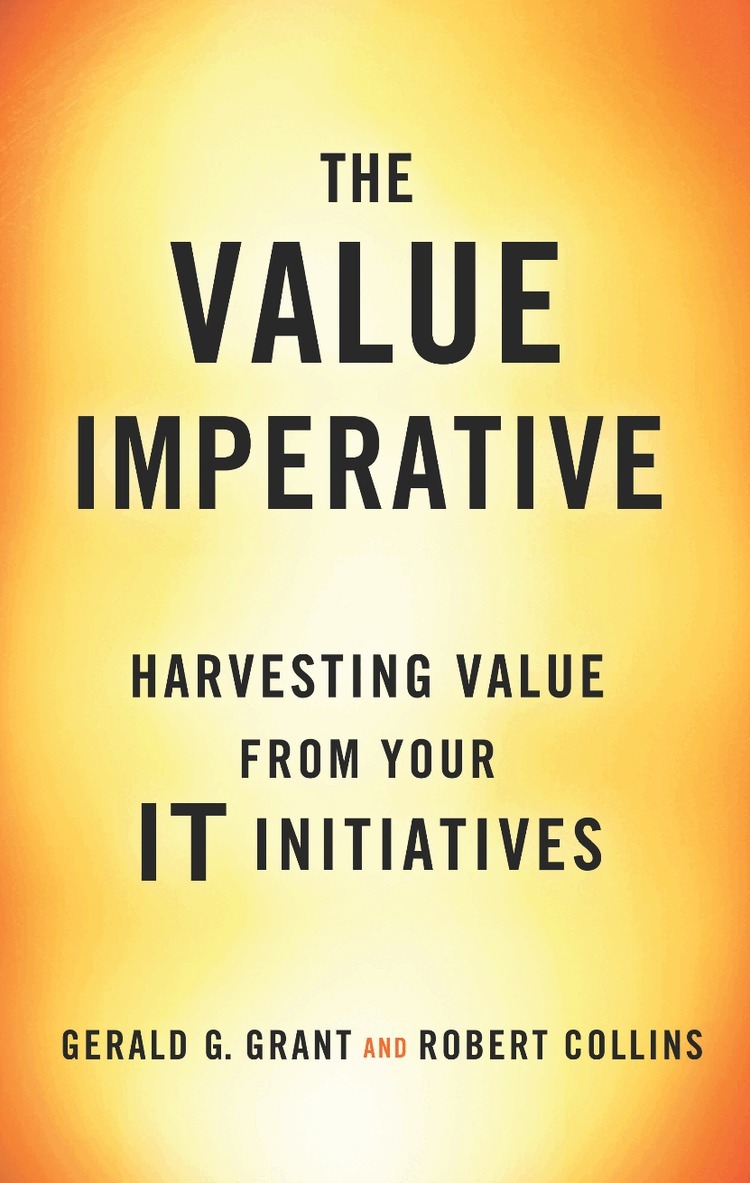
    Value Imperative

    Harvesting Value from Your IT Initiatives

    AvGerald G. Grant,Robert Collins

    Inbunden, Engelska, 2016

    466 kr

    Beställningsvara. Skickas inom 10-15 vardagar. Fri frakt över 249 kr.

    Fler format och utgåvor

    Häftad

    464 kr

    Beskrivning

    Organizational executives must change the way they think about how to invest in and manage IT if they want to get lasting value from computer-based innovations. The old way of thinking has not served organizations well. They continue to experience high levels of technological and operational failures even though they apply a wide variety of industry best practices. The rapid pace of technological advancement has tended to hide some fundamental problems that have existed from the start. These involve, not the technology only, but also the management and application of that technology. The human and organizational factors have not kept pace. They have remained relatively static and, to a shocking degree, ineffective.As a result, the IT department in many organizations has remained a breed apart. Communication between IT and the rest of the organization is fraught with misunderstanding. This leads to failures, recrimination, and, sometimes, wholesalechanges which fall well short of their goals. The authors wrote this book because they wanted to help both business  and IT to shift their focus from technology project implementation to that of value realization.  In The Value Imperative readers will be introduced to a new business model called The Agricultural Model created by the authors for managing IT in organizations. This innovative model will help you learn how to change the mindset of people in your organization about how IT should be invested in and managed; key considerations for ensuring that business value is delivered from IT investments; how to measure that value that has been delivered and whether there has been effective return on the investments made; and finally the authors challenge business and IT managers to focus on the business value that customers seek which will help companies.

    Produktinformation

    • Utgivningsdatum:2016-06-21
    • Mått:155 x 235 x 24 mm
    • Vikt:488 g
    • Format:Inbunden
    • Språk:Engelska
    • Antal sidor:207
    • Upplaga:2016
    • Förlag:Palgrave Macmillan
    • ISBN:9781137590398

    Utforska kategorier

    • Projektledning inom Ekonomi och Ledarskap
    • Affärsförhandlingar inom Ekonomi och Ledarskap

    Mer om författaren

    Gerald G. Grant is Director of the PhD Program, Director of the Centre for Information Technology, Organizations, and People (CITOP) and Associate Professor at the Sprott School of Business, Carleton University in Ottawa, Canada. Dr Grant’s work focuses on the strategic management of information systems in organizations, particularly on issues around governance of IT in organizational and inter-organizational settings. He has consulted internationally for organizations such as the Commonwealth Secretariat in the U.K., the COMNET Foundation in Malta and the Government of Jamaica. Dr Grant is also a member of the Advisory Board of DPI-The Association of Public Sector Information Professionals in Canada. He is currently an Associate Editor of Information and Management and IT for Development journals. He was previously Senior Associate Editor of the European Journal of Information Systems and Associate Editor of the Journal for Global Information Management.Robert Collins is an experienced technology executive with more than thirty years’ experience in both the private and public sector.  He has held positions as a product business line executive as well as Chief Information Officer.  During his career, he has had the opportunity to work with organizations all over the world. He is now a Consulting Executive who works with large organizations to maximize the value they get from information technology.  As well, Robert mentors high-tech startups and provides professional development training.

    Innehållsförteckning

    • 1. Business and IT Challenges for Today’s Organization.- 2. The Value Cycle.- 3. The Engineering Model of Business-IT Alignment.- 4. The Agricultural Model.- 5. The Value Realization Cycle.- 6. Governing IT Service Delivery.- 7. Enterprise Architecture.- 8. IT Investment Portfolio.- 9. Sourcing IT Services.- 10. Measuring IT Value Delivery.- 11. ROI.- 12. The Role of Leadership.- 13. It’s Not About Technology; It’s About Value.