Inbunden, Engelska, 2017
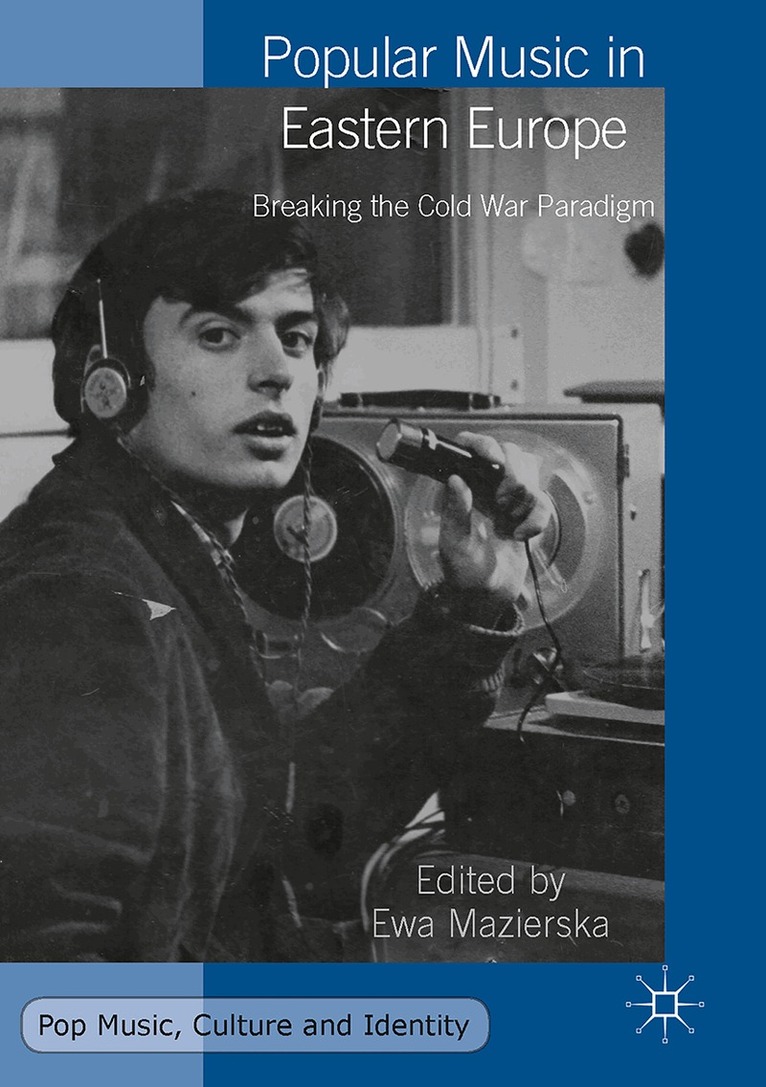
Popular Music in Eastern Europe
1465 kr
Beställningsvara. Skickas inom 10-15 vardagar. Fri frakt över 249 kr.
Beskrivning
This book explores popular music in Eastern Europe during the period of state socialism, in countries such as Poland, Hungary, Yugoslavia, Romania, Czechoslovakia, the GDR, Estonia and Albania. It discusses the policy concerning music, the greatest Eastern European stars, such as Karel Gott, Czesław Niemen and Omega, as well as DJs and the music press. By conducting original research, including interviews and examining archival material, the authors take issue with certain assumptions prevailing in the existing studies on popular music in Eastern Europe, namely that it was largely based on imitation of western music and that this music had a distinctly anti-communist flavour. Instead, they argue that self-colonisation was accompanied with creating an original idiom, and that the state not only fought the artists, but also supported them. The collection also draws attention to the foreign successes of Eastern European stars, both within the socialist bloc and outside of it.v>
Produktinformation
- Utgivningsdatum: 2017-01-04
- Mått: 148 x 210 x 23 mm
- Vikt: 494 g
- Format: Inbunden
- Språk: Engelska
- Serie: Pop Music, Culture and Identity
- Antal sidor: 311
- Upplaga: 17001
- Förlag: Palgrave Macmillan
- ISBN: 9781137592729
Utforska kategorier
Betyg & recensioner
0 recensioner
Inga recensioner tillgängliga.