• Fri frakt över 249 kr
  • •
  • Snabba leveranser
  • •
  • Billiga böcker
Kundservice

Du är på sajten för privatpersoner.

Företag, bibliotek eller offentlig verksamhet?

Du handlar på classic.bokus.com, där alla dina funktioner finns intakta.
Till classic.bokus.com
Bokus logotyp. Gå till startsidan.
  • Erbjudanden
  • Nyheter
  • Student
  • Topplistor
  • Barn & ungdom
  • Bokus Play
  • E-böcker
  • Pocketböcker
  • Spel & pussel

10% rabatt på allt med kod: NYSTART10 →

Sidfot

Mina sidor

    Hjälp

    • Kundservice
    • Vanliga frågor och svar
    • Frakt och leverans
    • Retur vid ångerrätt
    • Reklamera vara
    • Betalning
    • Köpvillkor
    • Allmänna villkor
    • Information om webbplatsens tillgänglighet

    Om Bokus

    • Om oss
    • Pressrum
    • För studenter
    • För företag
    • För bibliotek och offentlig verksamhet
    • För leverantörer
    • Hållbarhet

    Populärt

    • Aktuella erbjudanden
    • Presentkort
    • Studentlitteratur
    • Nya böcker
    • Topplistor
    • Signerade böcker
    • Engelska böcker

    Inspiration

    • Boktips
    • BookTok
    • Populära bokserier
    • Barnbokskaraktärer
    • Populära författare
    Logotyp för Bokus
    Följ oss på Facebook (extern länk)Följ oss på Instagram (extern länk)Följ oss på YouTube (extern länk)Följ oss på TikTok (extern länk)
    bokus @ CookiesAnpassa cookiesIntegritetspolicyKöpvillkor
    Till Citymail hemsida (extern länk)Till Budbee hemsida (extern länk)Till Postnord hemsida (extern länk)Till Schenker hemsida (extern länk)Till Early Bird hemsida (extern länk)Till Walleys hemsida (extern länk)
    1. Psykologi och pedagogik
    2. Pedagogik
    3. Skolan och förskolan

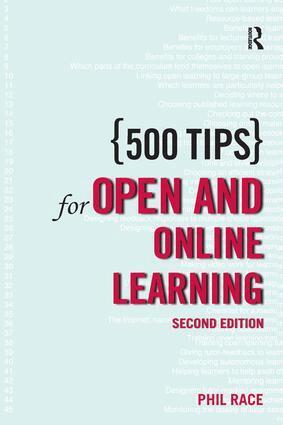
    500 Tips for Open and Online Learning

    AvPhil Race

    Inbunden, Engelska, 2017

    Del i serien 500 Tips

    1 425 kr

    Beställningsvara. Skickas inom 10-15 vardagar. Fri frakt över 249 kr.

    Fler format och utgåvor

    Häftad

    361 kr

    E-bok

    425 kr

    E-bok

    424 kr

    Beskrivning

    All types of organisations have recognised the growing demand for open and flexible learning programmes. With the increased emphasis on new ways of learning, and the rapid move towards open and online courses, this practical guide will help those involved overcome the challenges they face. This guide provides user friendly advice and support for those currently involved with open learning and those considering it for the first time.500 Tips for Open and Online Learning aims not only to save you time but also to enhance the quality of the learning experience which learners will draw from open and online learning. The book is divided into six sections which cover:* What is Open and Online Learning, why use it and how?* How to set up Open and Online learning programmes* Designing new resource materials* Putting technology to work* Supporting open learners* Assessing open learningThis practical book will be an invaluable resource, providing immediate and accessible help to the increasing number of people now under pressure to design, support and deliver open learning programmes. This book will appeal to tutors, trainers, managers of learning resource centres and curriculum developers who are already involved in, or thinking about starting to use, aspects of open learning.

    Produktinformation

    • Utgivningsdatum:2017-01-31
    • Mått:156 x 234 x 15 mm
    • Vikt:453 g
    • Format:Inbunden
    • Språk:Engelska
    • Serie:500 Tips
    • Antal sidor:200
    • Upplaga:2
    • Förlag:Taylor & Francis Ltd
    • ISBN:9781138164116

    Utforska kategorier

    • Skolan och förskolan inom Psykologi och pedagogik

    Mer om författaren

    Phil Race currently works part-time at the University of Leeds, and also runs training workshops for staff and students in universities, colleges and other organisations throughout the UK and abroad. He is author of ‘The Lecturer’s Toolkit’ (also published by RoutledgeFalmer), and co-author (with David Anderson) of ‘Effective Online Learning: the Trainer’s Toolkit’ published by Fenman.

    Innehållsförteckning

    • Chapter 1 What is Open Learning, Why Use it, Who Benefits, and How?; sub Chapter 1 What Sorts of Learning?; sub Chapter 2 How Open Learning Works; sub Chapter 3 What Freedoms Can Learners Enjoy?; sub Chapter 4 Resource-Based Learning; sub Chapter 5 Benefits for Learners; sub Chapter 6 Benefits for Lecturers and Trainers; sub Chapter 7 Benefits for Employers and Managers; sub Chapter 8 Benefits for Colleges and Training Providers; sub Chapter 9 Which Part s of the Curriculum Lend Themselves to Open Learning?; sub Chapter 10 Linking Open Learning to Large-Group Teaching; sub Chapter 11 Which Learners are Part icularly Helped?; Chapter 2 Adopt, Adapt or Start from Scratch?; sub Chapter 12 Deciding Where to Start; sub Chapter 13 Choosing Published Learning Resources; sub Chapter 14 Checking Out the Content; sub Chapter 15 Choosing Online Materials; sub Chapter 16 Planning How to Adopt Existing Resources; sub Chapter 17 Planning How to Adapt Existing Resources; Chapter 3 Designing New Resource Materials; sub Chapter 18 Focusing on Learners; sub Chapter 19 Tone and Style Decisions; sub Chapter 20 Choosing an Efficient Strategy; sub Chapter 21 Defining Intended Learning Outcomes; sub Chapter 22 Designing Learning by Doing; sub Chapter 23 Designing Feedback for Learners; sub Chapter 24 Designing Multiple-Choice Questions; sub Chapter 25 Designing Feedback Responses to Multiple-Choice Questions; sub Chapter 26 Designing Open-Ended Questions and Responses; sub Chapter 27 Designing an Introduction That Works; sub Chapter 28 Finishing Well: Reviews and Summaries; sub Chapter 29 Designing Study Guides; Chapter 4 Putting Technology to Work; sub Chapter 30 Making Video Work for Learning; sub Chapter 31 Making Sound Work for Learning; sub Chapter 32 Using Computer-Based Open Learning Packages; sub Chapter 33 Using Email to Support Open Learning; sub Chapter 34 Using Computer Conferencing for Open Learning; sub Chapter 35 Checklist for a Medium; sub Chapter 36 The Internet: Harnessing E-Information for E-Learning; Chapter 5 Supporting Open Learners; sub Chapter 37 Tutoring Open Learners; sub Chapter 38 Training Open Learning Tutors; sub Chapter 39 Giving Tutor Feedback to Learners; sub Chapter 40 Developing Autonomous Learners; sub Chapter 41 Helping Learners to Help Each Other; sub Chapter 42 Mentoring Learners; Chapter 6 Assessing Open Learning; sub Chapter 43 Designing Tutor-Marked Assignments; sub Chapter 44 Designing Marking Schemes; sub Chapter 45 Monitoring the Quality of Tutor Assessment; sub Chapter 46 Designing Computer-Marked Assignments; sub Chapter 47 Designing Computer-Generated Feedback; sub Chapter 48 Designing Multiple-Choice Exams; sub Chapter 49 Diversifying Assessment; sub Chapter 50 Piloting and Adjusting Learning Materials;