• Fri frakt över 249 kr
  • •
  • Snabba leveranser
  • •
  • Billiga böcker
Kundservice

Du är på sajten för privatpersoner.

Företag, bibliotek eller offentlig verksamhet?

Du handlar på classic.bokus.com, där alla dina funktioner finns intakta.
Till classic.bokus.com
Bokus logotyp. Gå till startsidan.
  • Erbjudanden
  • Nyheter
  • Student
  • Topplistor
  • Barn & ungdom
  • Bokus Play
  • E-böcker
  • Pocketböcker
  • Spel & pussel

10% rabatt på allt med kod: NYSTART10 →

Sidfot

Mina sidor

    Hjälp

    • Kundservice
    • Vanliga frågor och svar
    • Frakt och leverans
    • Retur vid ångerrätt
    • Reklamera vara
    • Betalning
    • Köpvillkor
    • Allmänna villkor
    • Information om webbplatsens tillgänglighet

    Om Bokus

    • Om oss
    • Pressrum
    • För studenter
    • För företag
    • För bibliotek och offentlig verksamhet
    • För leverantörer
    • Hållbarhet

    Populärt

    • Aktuella erbjudanden
    • Presentkort
    • Studentlitteratur
    • Nya böcker
    • Topplistor
    • Signerade böcker
    • Engelska böcker

    Inspiration

    • Boktips
    • BookTok
    • Populära bokserier
    • Barnbokskaraktärer
    • Populära författare
    Logotyp för Bokus
    Följ oss på Facebook (extern länk)Följ oss på Instagram (extern länk)Följ oss på YouTube (extern länk)Följ oss på TikTok (extern länk)
    bokus @ CookiesAnpassa cookiesIntegritetspolicyKöpvillkor
    Till Citymail hemsida (extern länk)Till Budbee hemsida (extern länk)Till Postnord hemsida (extern länk)Till Schenker hemsida (extern länk)Till Early Bird hemsida (extern länk)Till Walleys hemsida (extern länk)
    1. Samhälle och politik
    2. Sociologi och antropologi
    3. Sociologi

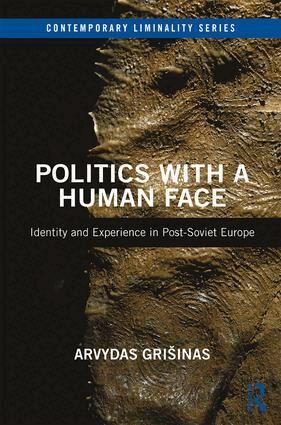
    Politics with a Human Face

    Identity and Experience in Post-Soviet Europe

    AvArvydas Grišinas

    Inbunden, Engelska, 2018

    Del i serien Contemporary Liminality

    2 423 kr

    Beställningsvara. Skickas inom 10-15 vardagar. Fri frakt över 249 kr.

    Fler format och utgåvor

    Häftad

    667 kr

    E-bok

    790 kr

    E-bok

    788 kr

    Beskrivning

    Politics with a Human Face presents a holistic understanding of identity formation in post-Soviet Europe, arguing that since politics is fundamentally a human affair. In order to adequately understand it, one needs to understand its human side first.Drawing on the thought of Dilthey, Ricoeur and Plato, the author employs empathy as a method, together with visual and historical analysis, to analyse the role of human experience in post-Soviet politics. As a result, the book offers a theoretical approach for assessing influence of the non-rationalistic factors, such as associative symbolism, human experience, political images and historical narratives, in both domestic and foreign affairs.A study at the juncture of Social Sciences and Humanities, Politics with a Human Face explores a number of cases, including Estonia, Lithuania, Poland and Russia, as well as the ongoing conflict in Ukraine, examining issues of liminal transition, ‘far-right’ movements, victimhood, ethnic conflict and political paradoxes. Seeking to shed light on the region’s agency and perception of both its own political and existential situation, and that of the surrounding world, this book constitutes a timely and original contribution to understanding the post-Soviet Europe.

    Produktinformation

    • Utgivningsdatum:2018-03-29
    • Mått:156 x 234 x 17 mm
    • Vikt:408 g
    • Format:Inbunden
    • Språk:Engelska
    • Serie:Contemporary Liminality
    • Antal sidor:188
    • Förlag:Taylor & Francis Ltd
    • ISBN:9781138242197

    Utforska kategorier

    • Sociologi inom Samhälle och politik
    • Politik och statsskick inom Samhälle och politik

    Mer om författaren

    Arvydas Grišinas is a researcher at Kaunas University of Technology, Lithuania.

    Innehållsförteckning

    • 1. The Human Factor in Politics2. Lithuanian Identity Narrative3. Liminality in post-Soviet Europe4. Political images and identity5. Common images, contesting narratives: the case of Maidan6. Violence and victimhood in post-Soviet politics7. Conclusion and Outlook