• Fri frakt över 249 kr
  • •
  • Snabba leveranser
  • •
  • Billiga böcker
Kundservice

Du är på sajten för privatpersoner.

Företag, bibliotek eller offentlig verksamhet?

Du handlar på classic.bokus.com, där alla dina funktioner finns intakta.
Till classic.bokus.com
Bokus logotyp. Gå till startsidan.
  • Erbjudanden
  • Nyheter
  • Student
  • Topplistor
  • Barn & ungdom
  • Bokus Play
  • E-böcker
  • Pocketböcker
  • Spel & pussel

10% rabatt på allt med kod: NYSTART10 →

Sidfot

Mina sidor

    Hjälp

    • Kundservice
    • Vanliga frågor och svar
    • Frakt och leverans
    • Retur vid ångerrätt
    • Reklamera vara
    • Betalning
    • Köpvillkor
    • Allmänna villkor
    • Information om webbplatsens tillgänglighet

    Om Bokus

    • Om oss
    • Pressrum
    • För studenter
    • För företag
    • För bibliotek och offentlig verksamhet
    • För leverantörer
    • Hållbarhet

    Populärt

    • Aktuella erbjudanden
    • Presentkort
    • Studentlitteratur
    • Nya böcker
    • Topplistor
    • Signerade böcker
    • Engelska böcker

    Inspiration

    • Boktips
    • BookTok
    • Populära bokserier
    • Barnbokskaraktärer
    • Populära författare
    Logotyp för Bokus
    Följ oss på Facebook (extern länk)Följ oss på Instagram (extern länk)Följ oss på YouTube (extern länk)Följ oss på TikTok (extern länk)
    bokus @ CookiesAnpassa cookiesIntegritetspolicyKöpvillkor
    Till Citymail hemsida (extern länk)Till Budbee hemsida (extern länk)Till Postnord hemsida (extern länk)Till Schenker hemsida (extern länk)Till Early Bird hemsida (extern länk)Till Walleys hemsida (extern länk)
    1. Samhälle och politik
    2. Samhälle och kultur
    3. Kultur och medier
    4. Referensverk och tvärvetenskap

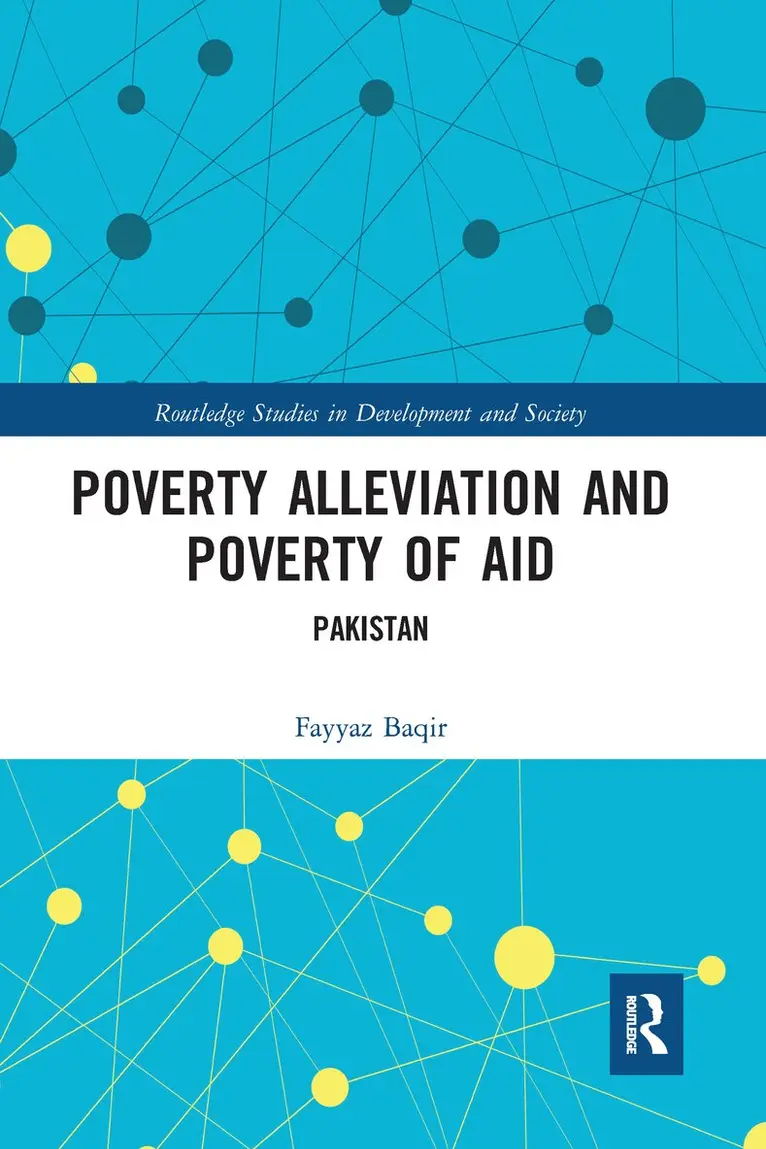
    Poverty Alleviation and Poverty of Aid

    Pakistan

    AvFayyaz Baqir

    Inbunden, Engelska, 2018

    Del i serien Routledge Studies in Development and Society

    2 493 kr

    Beställningsvara. Skickas inom 10-15 vardagar. Fri frakt över 249 kr.

    Fler format och utgåvor

    Häftad

    686 kr

    E-bok

    788 kr

    E-bok

    788 kr

    Beskrivning

    Aid effectiveness has emerged as an intensely debated issue amongst policy makers, donors, development practitioners, civil society and academics during the past decade. This debate revolves around one important question: does official development assistance complement, duplicate or disregard the local resource endowment in offering support to recipient economies?This book draws on Pakistan’s experience in responding to this question with a diverse range of examples. It focuses on a central idea: no aid effectiveness without an effective receiving mechanism. Pakistan is among the top aid recipient countries in the developing economies. It was a shining model in the sixties and it ranks among the highly underperforming countries after the new millennium. This book offers an insight into the dynamics of success and failure of Pakistan in availing foreign financial and technical assistance for human development and poverty alleviation. It draws on field experiences to present case studies on water, shelter, health, education, and health and safety at work to identify the causes and consequences of aid in relation to social reality. Findings relate to developing economies and would be of interest to a wide range of individuals within the development sector.

    Produktinformation

    • Utgivningsdatum:2018-08-20
    • Mått:156 x 234 x 17 mm
    • Vikt:402 g
    • Format:Inbunden
    • Språk:Engelska
    • Serie:Routledge Studies in Development and Society
    • Antal sidor:172
    • Förlag:Taylor & Francis Ltd
    • ISBN:9781138480988

    Utforska kategorier

    • Referensverk och tvärvetenskap inom Samhälle och politik
    • Internationell ekonomi inom Ekonomi och Ledarskap

    Mer om författaren

    Fayyaz Baqir has served as CEO of the Trust for Voluntary Organizations (TVO), Senior Civil Society Advisor of the United Nations, and a development professional at Aga Khan Rural Support Programme (AKRSP). He has researched and taught at McGill University, Georgetown University, Harvard University, University of Idaho, Wellesley College, Tilburg University (The Netherlands), Gothenburg University (Sweden), Quaid e Azam University, Punjab University and National Defence University (Pakistan) on themes relating to inclusive governance, participatory development and sustainable change. He received a Top Contributors’ Award from UNDP’s Global Poverty Reduction Network in 2007 and 2008 and an Outstanding Performance Award from UNDP for creating a vibrant small grants programme for low-income communities in Pakistan. He has travelled to more than 40 countries in Asia, Africa, Europe, and North and South America as part of his professional work.

    Recensioner i media

    ‘Fayyaz Baqir’s book, Poverty Alleviation and Poverty of Aid, offers a brilliant exposure of how international assistance operated in Pakistan; and how the measures undertaken for poverty reduction fell short of addressing the major issues that needed attention. Using stories of development and historical and conceptual analyses, Fayyaz provides a rich account of how Pakistan’s key problem has not been lack of financial resources but of efficient and effective use of the resources’ — Nipa Banerjee, Senior Fellow, School of International Development & Center for International Policy Studies, University of Ottawa Sprott School of Business- Carleton University, Senior Advisor, Rideau Institute'This book is fascinating. The examples are so clear and detailed and heartbreaking . Everyone in the development field should read it. The examples of what has been effective and what hasn't are concrete and well-supported. I look forward to the next book by this author examining examples of effective programs from several countries.' — Barbara Neuwelt, former volunteer, CUSO, Canada"I found your insights into what makes effective development both powerful and well documented. I fully agree that development works best when it is organically designed bottom-up with local communities and that very little seed money from international aid agencies is needed, and in fact can weaken ownership and sustainability and add to the debt burden. I also have found that farmers and the poor can pay (and indeed as you point out, often pay more than others informally) for services if they are given ownership and responsibility. I thought your description of the "business" of aid on page 30 was chillingly accurate [..] Twenty years ago, based on strong evidence that local ownership was of critical importance, the World Bank began moving away from the "Washington Consensus" to listening harder to clients, recognizing the need for inclusive and differentiated national strategies." — Anthony Cholst, World Bank’s Former Operations Adviser, Pakistan

    Innehållsförteckning

    • 1. NGO’s Ladder to Development - knowledge and the Path of Solicitation 2. Access to Water and the Science of Financial Patronage 3. Informal Settlements, Land Mafia and Failure of Government Policy 4. Women Cotton Pickers in Pakistan: Lost Between the Civil Society and the State 5. Why ‘Education for All’ Does Not Turn into ‘All for Education’? 6. Universal Health Coverage; Is Health Micro Insurance the Answer? 7. Poverty Alleviation and Arithmetic of the Poor