Häftad, Engelska, 2022
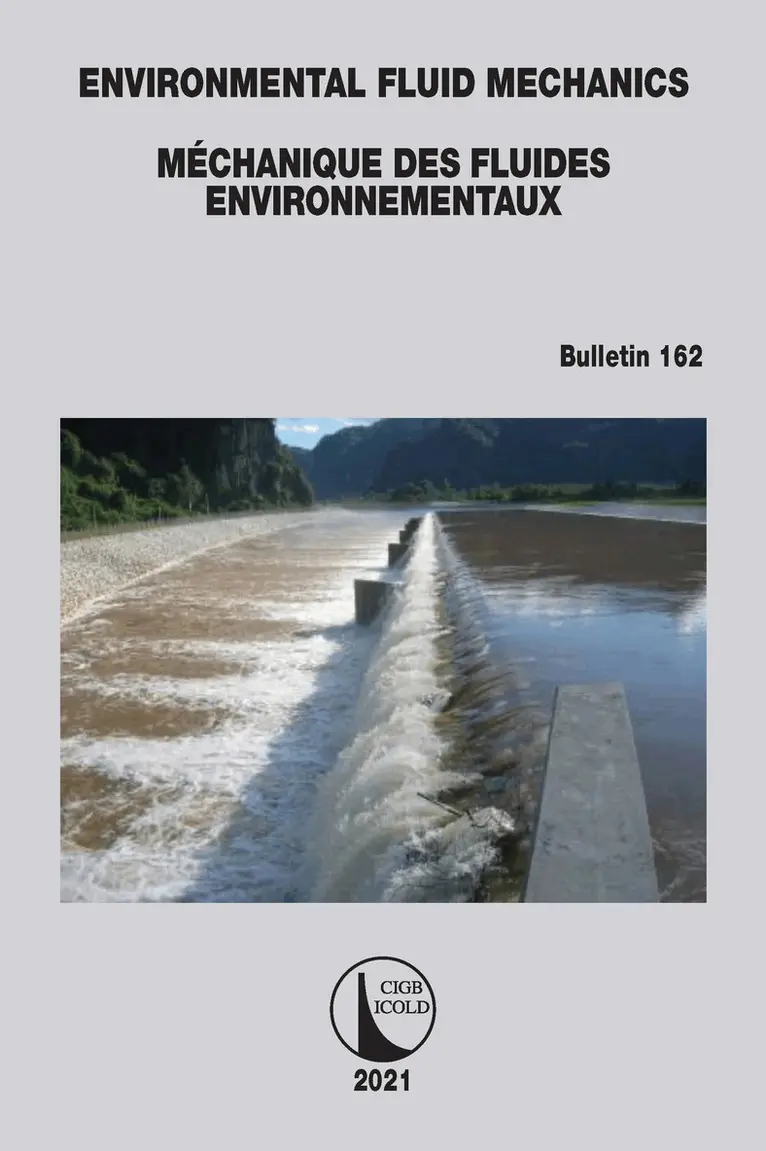
Environmental Fluid Mechanics - Méchanique des Fluides Environnementaux
Av CIGB ICOLD
1407 kr
Beställningsvara. Skickas inom 10-15 vardagar. Fri frakt över 249 kr.
Beskrivning
Dams are planned, constructed, and operated to meet human needs - generation of energy, irrigated agricultural production, flood control, public and industrial supply, supply of drinking water, and various other purposes. Dams impound water in reservoirs during times of high flood that can be used for human requirements during times with inadequate natural flows. Positive impacts of dams are improved flood control, improved welfare resulting from new access to irrigation and drinking water. Without dams there would be insufficient food to feed the world’s people and energy would be generated by burning fossil fuels that produce greenhouse gases. Despite this progress there remain significant concerns about the environmental impacts of dams. These environmental impacts are complex and far reaching, remote of the dam, and may occur in time with the dam construction or later and may lead to a loss of biodiversity and of productivity of natural resources.This bulletin compiles improvements in knowledge and state of the art technology to avoid or mitigate environmental impacts of dams on the natural ecosystem as well as to the people that depend upon them for their livelihood and also addresses the mitigation of environmental impacts on dams and reservoirs.Les barrages sont planifiés, construits et exploités de manière à répondre aux besoins humains. Les barrages retiennent l'eau dans les réservoirs pendant les périodes de forte crue, une eau qui peut être utilisée pour les besoins de l'homme pendant les périodes d’insuffisance des débits naturels. Les impacts positifs de barrages sont le contrôle des crues et l'amélioration du bien-être résultant du nouvel accès à l'irrigation et à l'eau potable. Sans barrages, la production alimentaire serait insuffisante pour nourrir la population du globe et l'énergie serait générée en brûlant des combustibles fossiles qui produisent des gaz à effet de serre. Malgré ces progrès, d'importantes préoccupations subsistent quant aux retombées des barrages sur l’environnement. Les impacts environnementaux sont complexes et d’une grande portée. Ils peuvent se produire au moment de la construction du barrage ou plus tard et peuvent entraîner une perte de la biodiversité et de la productivité des ressources naturelles.Le présent bulletin compile l'amélioration des connaissances et des technologies les plus récentes pour éviter ou atténuer les impacts environnementaux des barrages sur l'écosystème naturel ainsi que pour les personnes qui en dépendent pour leur subsistance. Il aborde également l'atténuation des impacts environnementaux sur les barrages et les réservoirs.
Produktinformation
- Utgivningsdatum: 2022-10-28
- Mått: 156 x 234 x 10 mm
- Vikt: 303 g
- Format: Häftad
- Språk: Engelska
- Serie: ICOLD Bulletins Series
- Antal sidor: 169
- Förlag: Taylor & Francis Ltd
- ISBN: 9781138491229
Utforska kategorier
Betyg & recensioner
0 recensioner
Inga recensioner tillgängliga.