• Fri frakt över 249 kr
  • •
  • Snabba leveranser
  • •
  • Billiga böcker
Kundservice

Du är på sajten för privatpersoner.

Företag, bibliotek eller offentlig verksamhet?

Du handlar på classic.bokus.com, där alla dina funktioner finns intakta.
Till classic.bokus.com
Bokus logotyp. Gå till startsidan.
  • Erbjudanden
  • Nyheter
  • Student
  • Topplistor
  • Barn & ungdom
  • Bokus Play
  • E-böcker
  • Pocketböcker
  • Spel & pussel

10% rabatt på allt med kod: NYSTART10 →

Sidfot

Mina sidor

    Hjälp

    • Kundservice
    • Vanliga frågor och svar
    • Frakt och leverans
    • Retur vid ångerrätt
    • Reklamera vara
    • Betalning
    • Köpvillkor
    • Allmänna villkor
    • Information om webbplatsens tillgänglighet

    Om Bokus

    • Om oss
    • Pressrum
    • För studenter
    • För företag
    • För bibliotek och offentlig verksamhet
    • För leverantörer
    • Hållbarhet

    Populärt

    • Aktuella erbjudanden
    • Presentkort
    • Studentlitteratur
    • Nya böcker
    • Topplistor
    • Signerade böcker
    • Engelska böcker

    Inspiration

    • Boktips
    • BookTok
    • Populära bokserier
    • Barnbokskaraktärer
    • Populära författare
    Logotyp för Bokus
    Följ oss på Facebook (extern länk)Följ oss på Instagram (extern länk)Följ oss på YouTube (extern länk)Följ oss på TikTok (extern länk)
    bokus @ CookiesAnpassa cookiesIntegritetspolicyKöpvillkor
    Till Citymail hemsida (extern länk)Till Budbee hemsida (extern länk)Till Postnord hemsida (extern länk)Till Schenker hemsida (extern länk)Till Early Bird hemsida (extern länk)Till Walleys hemsida (extern länk)
    1. Ekonomi och Ledarskap
    2. Industrier och branscher
    3. Media och underhållning

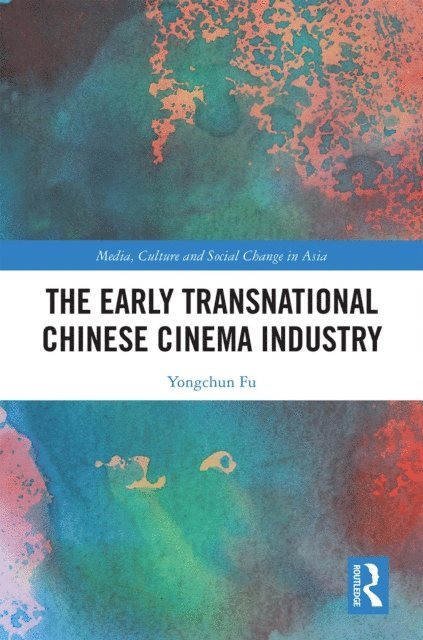
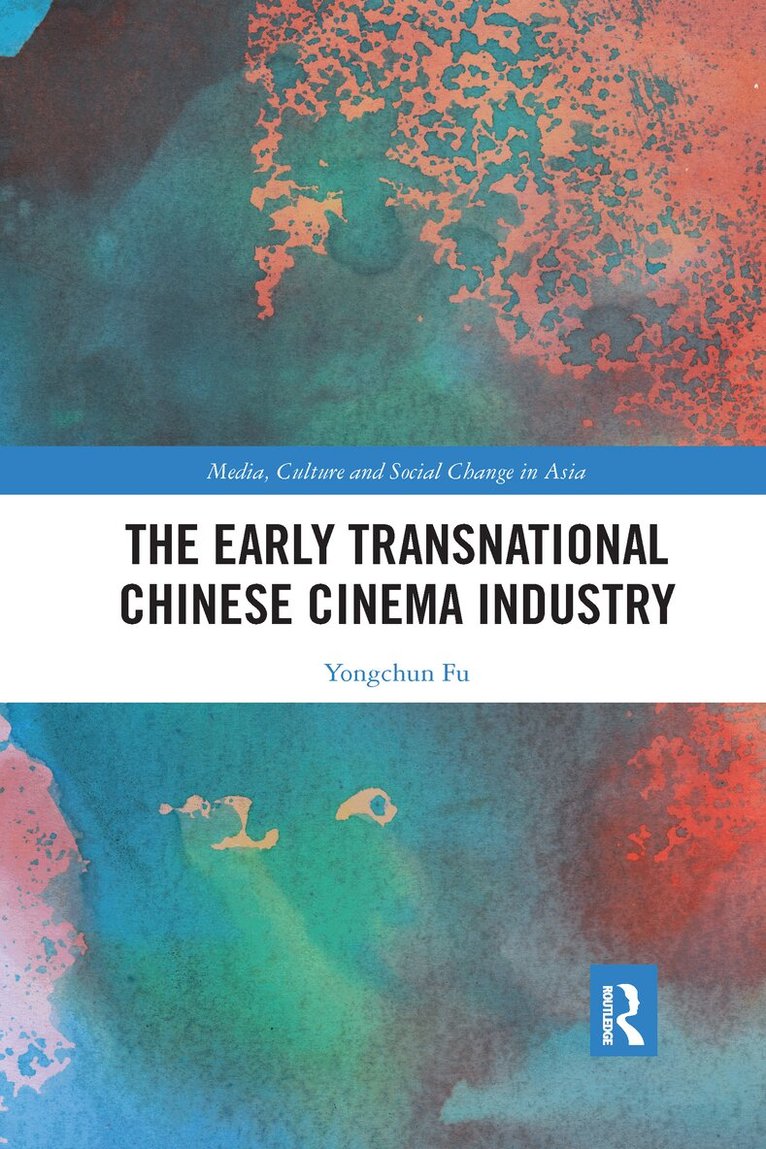
    Early Transnational Chinese Cinema Industry

    AvYongchun Fu

    Inbunden, Engelska, 2019

    Del i serien Media, Culture and Social Change in Asia

    2 493 kr

    Beställningsvara. Skickas inom 10-15 vardagar. Fri frakt över 249 kr.

    Fler format och utgåvor

    Häftad

    686 kr

    E-bok

    812 kr

    E-bok

    812 kr

    Beskrivning

    Based on extensive original research, including in studio archives, industrial surveys, official records, trade journals, and English and Chinese newspapers, this book explores the role of the American film industry in the development of cinema in China. It examines the Chinese industry’s response to the American industry and the consequences of this response. It also considers the attitudes of Chinese film practitioners towards Hollywood and the contribution of those figures who acted as intermediaries between the two industries. Overall, the book casts much new light on the early development of the film industry in China and demonstrates the huge influence Hollywood had on it.Winner of the inaugural 2021 New Zealand Asia Society Book Award, second prize.


    Produktinformation

    • Utgivningsdatum:2019-02-21
    • Mått:156 x 234 x 11 mm
    • Vikt:453 g
    • Format:Inbunden
    • Språk:Engelska
    • Serie:Media, Culture and Social Change in Asia
    • Antal sidor:142
    • Förlag:Taylor & Francis Ltd
    • ISBN:9781138592377

    Utforska kategorier

    • Media och underhållning inom Ekonomi och Ledarskap
    • Film inom Kultur

    Mer om författaren

    Yongchun Fu is an Associate Professor in the School of Media and Design, Ningbo Institute of Technology, Zhejiang University, China.

    Recensioner i media

    "A very important contribution to Chinese film studies, opening up new topics, providing new knowledge and contributing to important debates." Chris Berry, Goldsmiths, University of London

    Innehållsförteckning

    • Chapter 1 Introduction, Chapter 2 Technology and the Trans/National in China’s Transition to Sound, Chapter 3 Response in Distribution Systems: From ‘Parrot’ to ‘Butterfly’, Chapter 4 Capitalism with Chinese Characteristics: The Mode of Production in Chinese Cinema, Chapter 5 Movie Matchmakers: The Intermediaries between the American and the Chinese Film Industries, Chapter 6 Measuring the Outcome of China’s Response through Statistics, Chapter 7 Conclusion