• Fri frakt över 249 kr
  • •
  • Snabba leveranser
  • •
  • Billiga böcker
Kundservice

Du är på sajten för privatpersoner.

Företag, bibliotek eller offentlig verksamhet?

Du handlar på classic.bokus.com, där alla dina funktioner finns intakta.
Till classic.bokus.com
Bokus logotyp. Gå till startsidan.
  • Erbjudanden
  • Nyheter
  • Student
  • Topplistor
  • Barn & ungdom
  • Bokus Play
  • E-böcker
  • Pocketböcker
  • Spel & pussel

10% rabatt på allt med kod: NYSTART10 →

Sidfot

Mina sidor

    Hjälp

    • Kundservice
    • Vanliga frågor och svar
    • Frakt och leverans
    • Retur vid ångerrätt
    • Reklamera vara
    • Betalning
    • Köpvillkor
    • Allmänna villkor
    • Information om webbplatsens tillgänglighet

    Om Bokus

    • Om oss
    • Pressrum
    • För studenter
    • För företag
    • För bibliotek och offentlig verksamhet
    • För leverantörer
    • Hållbarhet

    Populärt

    • Aktuella erbjudanden
    • Presentkort
    • Studentlitteratur
    • Nya böcker
    • Topplistor
    • Signerade böcker
    • Engelska böcker

    Inspiration

    • Boktips
    • BookTok
    • Populära bokserier
    • Barnbokskaraktärer
    • Populära författare
    Logotyp för Bokus
    Följ oss på Facebook (extern länk)Följ oss på Instagram (extern länk)Följ oss på YouTube (extern länk)Följ oss på TikTok (extern länk)
    bokus @ CookiesAnpassa cookiesIntegritetspolicyKöpvillkor
    Till Citymail hemsida (extern länk)Till Budbee hemsida (extern länk)Till Postnord hemsida (extern länk)Till Schenker hemsida (extern länk)Till Early Bird hemsida (extern länk)Till Walleys hemsida (extern länk)
    1. Ekonomi och Ledarskap
    2. Nationalekonomi
    3. Ekonomisk historia

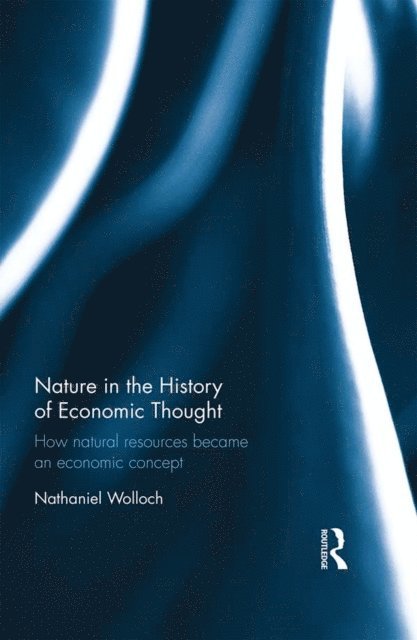
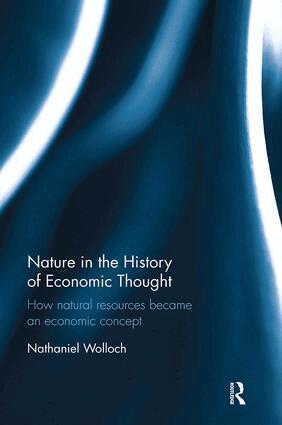
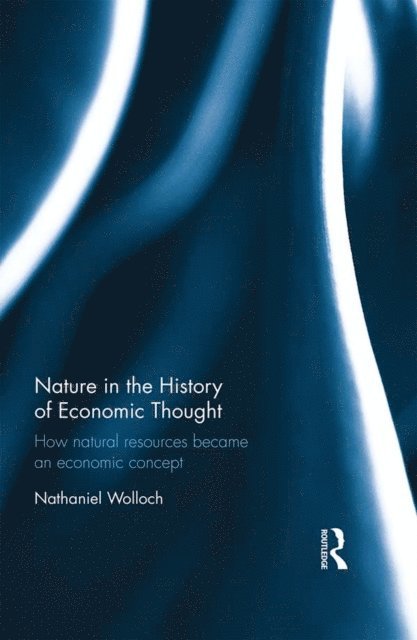
    Nature in the History of Economic Thought

    How Natural Resources Became an Economic Concept

    AvNathaniel Wolloch

    Inbunden, Engelska, 2016

    2 724 kr

    Beställningsvara. Skickas inom 10-15 vardagar. Fri frakt över 249 kr.

    Fler format och utgåvor

    Häftad

    1 019 kr

    E-bok

    1 174 kr

    E-bok

    1 174 kr

    Beskrivning

    From antiquity to our own time those interested in political economy have with almost no exceptions regarded the natural physical environment as a resource meant for human use. Focusing on the period 1600-1850, and paying particular attention to major figures including Adam Smith, T.R. Malthus, David Ricardo and J.S. Mill, this book provides a detailed overview of the intellectual history of the economic consideration of nature from antiquity to modern times. It shows how even someone like Mill, who was clearly influenced by romantic notions regarding the spiritual need for contact with pristine nature, ultimately regarded it as an economic resource. Building on existing scholarship, this study demonstrates how the rise of modern sensitivity to nature, from the late eighteenth century in particular, was in fact a dialectical reaction to the growing distance of modern urban civilization from the natural environment. As such, the book offers an unprecedentedly detailed overview of the intellectual history of economic considerations of nature, whilst underlining how the history of this topic has been remarkably consistent.
    Produktinformation

    • Utgivningsdatum:2016-10-07
    • Mått:156 x 234 x 20 mm
    • Vikt:690 g
    • Format:Inbunden
    • Språk:Engelska
    • Antal sidor:286
    • Förlag:Taylor & Francis Ltd
    • ISBN:9781138691490

    Utforska kategorier

    • Ekonomisk historia inom Ekonomi och Ledarskap
    • Historia inom Historia och arkeologi

    Mer om författaren

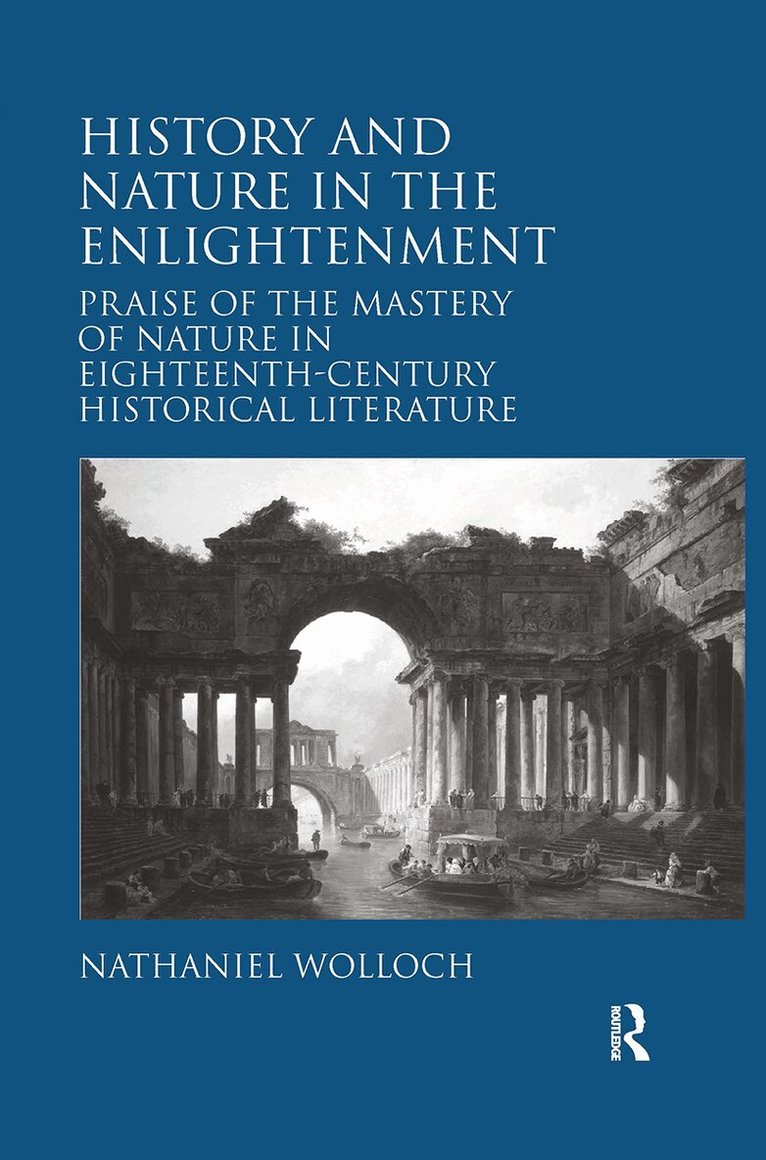
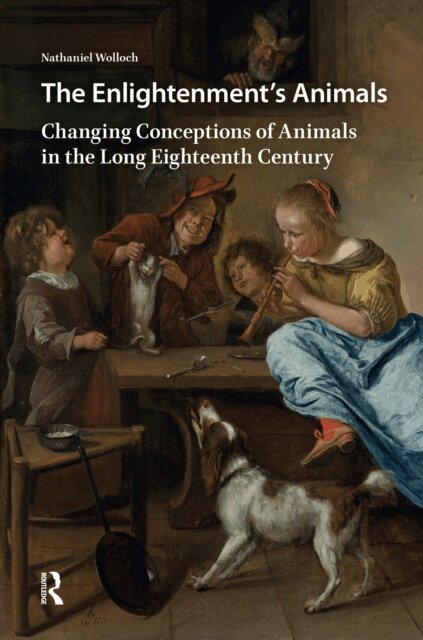
    Nathaniel Wolloch is an Independent Scholar from Israel, specializing in European intellectual history. He is the author of Subjugated Animals: Animals and Anthropocentrism in Early Modern European Culture (2006), and History and Nature in the Enlightenment: Praise of the Mastery of Nature in Eighteenth-Century Historical Literature (2011).

    Recensioner i media

    'Clearly written and carefully organized, this book restores the subject of nature to the history of economics. It demonstrates in rich detail that economists may not have given much weight to nature as an independent source of wealth, but from the Greeks to the modern era they have been profoundly important in shaping our use of the natural world.'Donald Worster, University of Kansas, USAAuthor of "Shrinking the Earth: The Rise and Decline of American Abundance"

    Innehållsförteckning

    • Preface List of Abbreviations PART I ATTITUDES TOWARD NATURE FROM ANTIQUITY TO MERCANTILISM1 From Antiquity to the Renaissance 2 Mercantilism and Natural Resources PART II THE ENLIGHTENMENT ROOTS OF CLASSICAL POLITICAL ECONOMY3 Pre-Classical Enlightenment Developments 4 The Physiocrats and the Bread Riots 5 From Adam Smith to Classical Political Economy 6 John Stuart Mill and the Idea of Progress PART III MANAGING THE USE OF NATURE7 Managing Nature in the Enlightenment 8 Ricardo and Malthus on the Utilization of Nature 9 Jean-Baptiste Say and Other Contemporaries 10 John Stuart Mill’s Attitude toward Nature Epilogue: From Socialism to Modernity