• Fri frakt över 249 kr
  • •
  • Snabba leveranser
  • •
  • Billiga böcker
Kundservice

Du är på sajten för privatpersoner.

Företag, bibliotek eller offentlig verksamhet?

Du handlar på classic.bokus.com, där alla dina funktioner finns intakta.
Till classic.bokus.com
Bokus logotyp. Gå till startsidan.
  • Erbjudanden
  • Nyheter
  • Student
  • Topplistor
  • Barn & ungdom
  • Bokus Play
  • E-böcker
  • Pocketböcker
  • Spel & pussel

10% rabatt på allt med kod NYSTART10 →

Sidfot

Mina sidor

    Hjälp

    • Kundservice
    • Vanliga frågor och svar
    • Frakt och leverans
    • Retur vid ångerrätt
    • Reklamera vara
    • Betalning
    • Köpvillkor
    • Allmänna villkor
    • Information om webbplatsens tillgänglighet

    Om Bokus

    • Om oss
    • Pressrum
    • För studenter
    • För företag
    • För bibliotek och offentlig verksamhet
    • För leverantörer
    • Hållbarhet

    Populärt

    • Aktuella erbjudanden
    • Presentkort
    • Studentlitteratur
    • Nya böcker
    • Topplistor
    • Signerade böcker
    • Engelska böcker

    Inspiration

    • Boktips
    • BookTok
    • Populära bokserier
    • Barnbokskaraktärer
    • Populära författare
    Logotyp för Bokus
    Följ oss på Facebook (extern länk)Följ oss på Instagram (extern länk)Följ oss på YouTube (extern länk)Följ oss på TikTok (extern länk)
    bokus @ CookiesAnpassa cookiesIntegritetspolicyKöpvillkor
    Till Citymail hemsida (extern länk)Till Budbee hemsida (extern länk)Till Postnord hemsida (extern länk)Till Schenker hemsida (extern länk)Till Early Bird hemsida (extern länk)Till Walleys hemsida (extern länk)
    1. Data och IT
    2. Systemvetenskap och AI

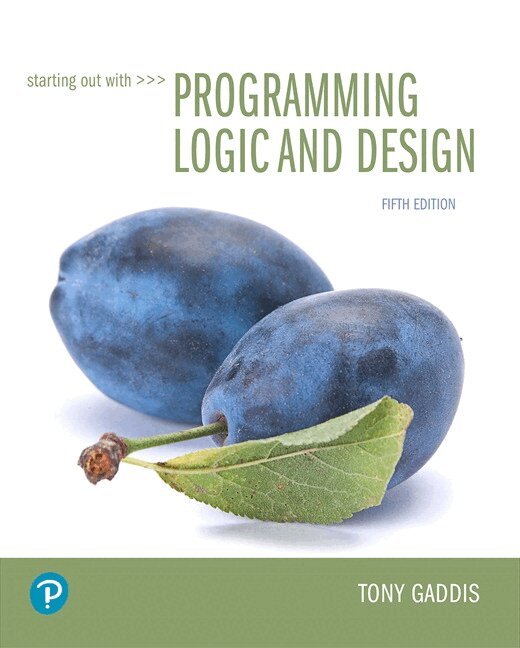
    Starting Out with Programming Logic and Design

    Pearson New International Edition

    AvTony Gaddis

    Häftad, Engelska, 2013

    1 082 kr

    Beställningsvara. Skickas inom 7-10 vardagar. Fri frakt över 249 kr.

    Fler format och utgåvor

    Häftad

    1 877 kr

    Beskrivning

    Starting Out with Programming Logic and Design, Third Edition, is a language-independent introductory programming book that orients students to programming concepts and logic without assuming any previous programming experience. In the successful, accessible style of Tony Gaddis' best-selling texts, useful examples and detail-oriented explanations allow students to become comfortable with fundamental concepts and logical thought processes used in programming without the complication of language syntax. Students gain confidence in their program design skills to transition into more comprehensive programming courses. The book is ideal for a programming logic course taught as a precursor to a language-specific introductory programming course, or for the first part of an introductory programming course.

    Produktinformation

    • Utgivningsdatum:2013-11-01
    • Mått:215 x 275 x 20 mm
    • Vikt:1 117 g
    • Format:Häftad
    • Språk:Engelska
    • Antal sidor:444
    • Upplaga:3
    • Förlag:Pearson Education
    • ISBN:9781292042251

    Utforska kategorier

    • Systemvetenskap och AI inom Data och IT
    • Programmeringsböcker inom Data och IT

    Innehållsförteckning

    • Preface xiii Chapter 1 Introduction to Computers and Programming 1 1.1 Introduction . . . . . . . . . . . . . . . . . . . . . . . . . . . . . . . . . . . . . . . . . . . . . . 1 1.2 Hardware . . . . . . . . . . . . . . . . . . . . . . . . . . . . . . . . . . . . . . . . . . . . . . . . 2 1.3 How Computers Store Data . . . . . . . . . . . . . . . . . . . . . . . . . . . . . . . . . . . 7 1.4 How a Program Works . . . . . . . . . . . . . . . . . . . . . . . . . . . . . . . . . . . . . . 12 1.5 Types of Software . . . . . . . . . . . . . . . . . . . . . . . . . . . . . . . . . . . . . . . . . 20 Review Questions . . . . . . . . . . . . . . . . . . . . . . . . . . . . . . . . . . . . . . . . . . . . . . . 23 Chapter 2 Input, Processing, and Output 29 2.1 Designing a Program . . . . . . . . . . . . . . . . . . . . . . . . . . . . . . . . . . . . . . . 29 2.2 Output, Input, and Variables . . . . . . . . . . . . . . . . . . . . . . . . . . . . . . . . . 34 2.3 Variable Assignment and Calculations . . . . . . . . . . . . . . . . . . . . . . . . . . 43 IN THE SPOTLIGHT: Calculating a Percentage . . . . . . . . . . . . . . . . . . . . . . . . . . . 47 IN THE SPOTLIGHT: Calculating an Average . . . . . . . . . . . . . . . . . . . . . . . . . . . . . 50 IN THE SPOTLIGHT: Converting a Math Formula to a Programming Statement . . . . . . . . . . . . . . . . . . . . . . . . . . . . . . . . . . . . . . 53 2.4 Variable Declarations and Data Types . . . . . . . . . . . . . . . . . . . . . . . . . . . 56 2.5 Named Constants . . . . . . . . . . . . . . . . . . . . . . . . . . . . . . . . . . . . . . . . . . 62 2.6 Hand Tracing a Program . . . . . . . . . . . . . . . . . . . . . . . . . . . . . . . . . . . . . 63 2.7 Documenting a Program . . . . . . . . . . . . . . . . . . . . . . . . . . . . . . . . . . . . . 64 IN THE SPOTLIGHT: Using Named Constants, Style Conventions, and Comments . . . . . . . . . . . . . . . . . . . . . . . . . . . . . . . . . . . . . . . . . . . . . 66 Review Questions . . . . . . . . . . . . . . . . . . . . . . . . . . . . . . . . . . . . . . . . . . . . . . . 68 Programming Exercises . . . . . . . . . . . . . . . . . . . . . . . . . . . . . . . . . . . . . . . . . . . 72 Chapter 3 Modules 75 3.1 Introduction to Modules . . . . . . . . . . . . . . . . . . . . . . . . . . . . . . . . . . . . . 75 3.2 Defining and Calling a Module . . . . . . . . . . . . . . . . . . . . . . . . . . . . . . . . 78 IN THE SPOTLIGHT: Defining and Calling Modules . . . . . . . . . . . . . . . . . . . . . . . 84 3.3 Local Variables . . . . . . . . . . . . . . . . . . . . . . . . . . . . . . . . . . . . . . . . . . . . . 88 3.4 Passing Arguments to Modules . . . . . . . . . . . . . . . . . . . . . . . . . . . . . . . . 90 IN THE SPOTLIGHT: Passing an Argument to a Module . . . . . . . . . . . . . . . . . . . . 95 IN THE SPOTLIGHT: Passing an Argument by Reference . . . . . . . . . . . . . . . . . . . 100 3.5 Global Variables and Global Constants . . . . . . . . . . . . . . . . . . . . . . . . . 104 IN THE SPOTLIGHT: Using Global Constants . . . . . . . . . . . . . . . . . . . . . . . . . . . 105 Review Questions . . . . . . . . . . . . . . . . . . . . . . . . . . . . . . . . . . . . . . . . . . . . . . 109 Programming Exercises . . . . . . . . . . . . . . . . . . . . . . . . . . . . . . . . . . . . . . . . . . 113 Chapter 4 Decision Structures and Boolean Logic 115 4.1 Introduction to Decision Structures . . . . . . . . . . . . . . . . . . . . . . . . . . . . 115 IN THE SPOTLIGHT: Using the If-Then Statement . . . . . . . . . . . . . . . . . . . . . . . 122 4.2 Dual Alternative Decision Structures . . . . . . . . . . . . . . . . . . . . . . . . . . . 125 IN THE SPOTLIGHT: Using the If-Then-Else Statement . . . . . . . . . . . . . . . . . . 126 4.3 Comparing S