• Fri frakt över 249 kr
  • •
  • Snabba leveranser
  • •
  • Billiga böcker
Kundservice

Du är på sajten för privatpersoner.

Företag, bibliotek eller offentlig verksamhet?

Du handlar på classic.bokus.com, där alla dina funktioner finns intakta.
Till classic.bokus.com
Bokus logotyp. Gå till startsidan.
  • Erbjudanden
  • Nyheter
  • Student
  • Topplistor
  • Barn & ungdom
  • Bokus Play
  • E-böcker
  • Pocketböcker
  • Spel & pussel

10% rabatt på allt med kod NYSTART10 →

Sidfot

Mina sidor

    Hjälp

    • Kundservice
    • Vanliga frågor och svar
    • Frakt och leverans
    • Retur vid ångerrätt
    • Reklamera vara
    • Betalning
    • Köpvillkor
    • Allmänna villkor
    • Information om webbplatsens tillgänglighet

    Om Bokus

    • Om oss
    • Pressrum
    • För studenter
    • För företag
    • För bibliotek och offentlig verksamhet
    • För leverantörer
    • Hållbarhet

    Populärt

    • Aktuella erbjudanden
    • Presentkort
    • Studentlitteratur
    • Nya böcker
    • Topplistor
    • Signerade böcker
    • Engelska böcker

    Inspiration

    • Boktips
    • BookTok
    • Populära bokserier
    • Barnbokskaraktärer
    • Populära författare
    Logotyp för Bokus
    Följ oss på Facebook (extern länk)Följ oss på Instagram (extern länk)Följ oss på YouTube (extern länk)Följ oss på TikTok (extern länk)
    bokus @ CookiesAnpassa cookiesIntegritetspolicyKöpvillkor
    Till Citymail hemsida (extern länk)Till Budbee hemsida (extern länk)Till Postnord hemsida (extern länk)Till Schenker hemsida (extern länk)Till Early Bird hemsida (extern länk)Till Walleys hemsida (extern länk)
    1. Naturvetenskap och teknik
    2. Matematik och naturvetenskap
    3. Biologi
    • 10% rabatt på allt

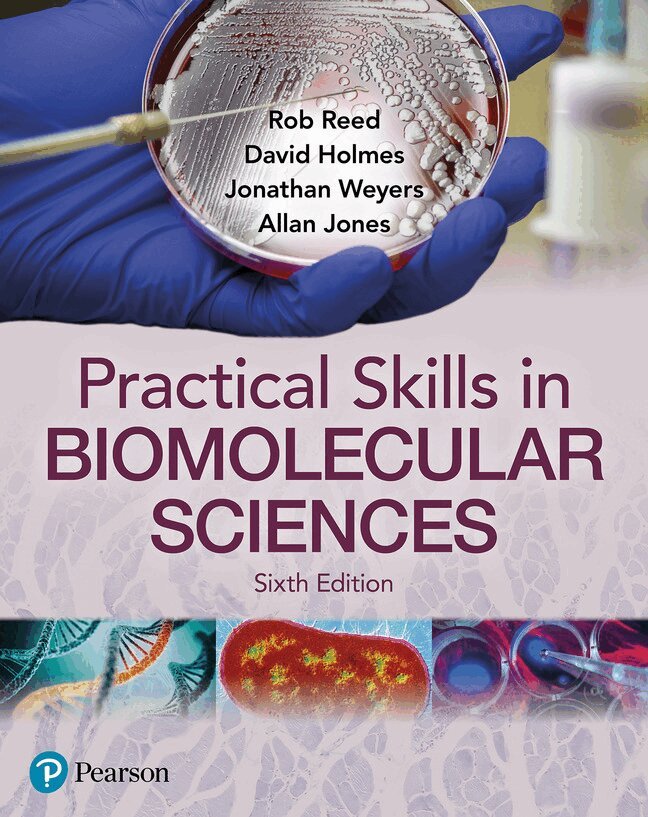
    Practical Skills in Biomolecular Science

    AvRob Reed,David Holmes

    Häftad, Engelska, 2021

    722 kr

    . Fri frakt över 249 kr.

    Beskrivning

    An essential companion for students across a range of disciplines, including biochemistry, biomedical sciences, microbiology and molecular biology throughout your entire degree programme, this sixth edition of Practical Skills in Biomolecular Sciences, has been updated and expanded to provide you with a complete and easy-to-read guide. It's an all-in-one solution for the key practical skills needed for all cellular and molecular life sciences, including: comprehensive coverage of study and examination skills; fundamental laboratory methods; investigative and analytical techniques and analysis and presentation of data.

    This new edition comes with increased coverage on laboratory skills, new chapters on working with bacteria, eukaryotic microbes and viruses, and on assaying biomolecules, as well as new sections on online learning in a post-COVID world. In addition, 250 new and updated illustrations, tables, and tips – including 25 new ‘how to' boxes – have been added, along with numerous end-of-chapter study exercises (with answers provided on the companion website) to support self-evaluation.

    Produktinformation

    • Utgivningsdatum:2021-12-22
    • Mått:219 x 276 x 34 mm
    • Vikt:1 620 g
    • Format:Häftad
    • Språk:Engelska
    • Antal sidor:656
    • Upplaga:6
    • Förlag:Pearson Education
    • ISBN:9781292397085

    Ingår i kampanjer

    10% rabatt på allt

    Utforska kategorier

    • Biologi inom Naturvetenskap och teknik

    Mer om författaren

    Rob Reed, Professor Emeritus (Education and Science) at Central Queensland University, Australia.David Holmes, Emeritus Professor of Medical Sciences, St George's International School of Medicine, Grenada. Jonathan Weyers, Honorary Senior Lecturer at the University of Dundee, UK.Allan Jones, Chancellor's Award Fellow in Ecology, Environmental Science and Zoology at the University of Dundee, UK.

    Innehållsförteckning

    • PrefaceList of abbreviationsStudy strategies Developing your skillsSelf-managementLearning effectivelyMaking the most of learning resourcesLocating and citing published informationEvaluating informationWorking with othersMapping your personal developmentAssessment skills Succeeding in assessmentsScientific writingWriting essaysReporting practical and project workTackling literature surveys and reviewsPresenting written assignmentsPreparing a posterGiving a spoken presentationRevision strategiesImproving your performance in examsFundamental laboratory techniques Preparing for practical workWorking safely in the labBasic laboratory skillsMeasuring and dispensing liquidsPreparing solutions – principles and practiceMeasuring and maintaining pHUnderstanding microscopySetting up and using a light microscopeThe investigative approach Making measurementsUnderstanding SI units and their useDesigning experimentsUnderstanding bioethicsRecording data and imagesTackling project work and placementsWorking with microbes, cells and tissues Learning sterile techniqueCulturing cells and measuring growthCollecting and isolating microbesIdentifying microbesNaming microbes and other organismsWorking with bacteriaWorking with eukaryotic microbes: fungi and protistsWorking with virusesWorking with animal and plant cells and tissuesHomogenising and fractionating cells and tissuesAnalytical techniques Understanding calibration and quantitative analysisCentrifugation techniquesMeasuring lightUsing advanced spectroscopy and spectrometryCarrying out basic spectroscopy and spectrometrySeparating compounds using chromatographyDetecting and analysing compounds after chromatographyMethods of electrophoresisAdvanced electrophoretic techniquesElectroanalytical techniquesUsing immunological methodsUsing radioisotopesAnalysing stable isotopesAssaying biomolecules and studying metabolism Analysing biomoleculesAssaying amino acids, peptides and proteinsAssaying lipidsAssaying carbohydratesAssaying nucleic acids and nucleotidesProtein purificationStudying enzymesMeasuring membrane transportQuantifying photosynthesis and respirationGenetics and molecular biology Studying Mendelian and population geneticsStudying bacterial and phage geneticsUnderstanding molecular genetics – fundamental principlesUsing the polymerase chain reaction in molecular geneticsGenetic manipulation techniquesApplying bioinformaticsAnalysing and presenting data Manipulating and transforming raw dataAnalysing data with spreadsheetsSummarising data in tablesIllustrating data in graphsSolving numerical problemsUsing descriptive statisticsSelecting and interpreting statistical testsAppendix 1Index