• Fri frakt över 249 kr
  • •
  • Snabba leveranser
  • •
  • Billiga böcker
Kundservice

Du är på sajten för privatpersoner.

Företag, bibliotek eller offentlig verksamhet?

Du handlar på classic.bokus.com, där alla dina funktioner finns intakta.
Till classic.bokus.com
Bokus logotyp. Gå till startsidan.
  • Erbjudanden
  • Student
  • Topplistor
  • Barn & ungdom
  • Bokus Play
  • E-böcker
  • Ljudböcker
  • Pocketböcker
  • Spel och pussel

Pocketfynda! Hundratals böcker för 49 kr/st →

Sidfot

Mina sidor

    Hjälp

    • Kundservice
    • Vanliga frågor och svar
    • Frakt och leverans
    • Retur vid ångerrätt
    • Reklamera vara
    • Betalning
    • Köpvillkor
    • Allmänna villkor
    • Information om webbplatsens tillgänglighet

    Om Bokus

    • Om oss
    • Pressrum
    • För studenter
    • För företag
    • För bibliotek och offentlig verksamhet
    • För leverantörer
    • Hållbarhet

    Populärt

    • Aktuella erbjudanden
    • Presentkort
    • Studentlitteratur
    • Nya böcker
    • Topplistor
    • Signerade böcker
    • Engelska böcker

    Inspiration

    • Boktips
    • BookTok
    • Barnbokskaraktärer
    • Populära författare
    Logotyp för Bokus
    Följ oss på Facebook (extern länk)Följ oss på Instagram (extern länk)Följ oss på YouTube (extern länk)Följ oss på TikTok (extern länk)
    bokus @ CookiesAnpassa cookiesIntegritetspolicyKöpvillkor
    Till Citymail hemsida (extern länk)Till Budbee hemsida (extern länk)Till Postnord hemsida (extern länk)Till Schenker hemsida (extern länk)Till Early Bird hemsida (extern länk)Till Walleys hemsida (extern länk)
    1. Psykologi och pedagogik
    2. Psykologi
    3. Kognitiv psykologi

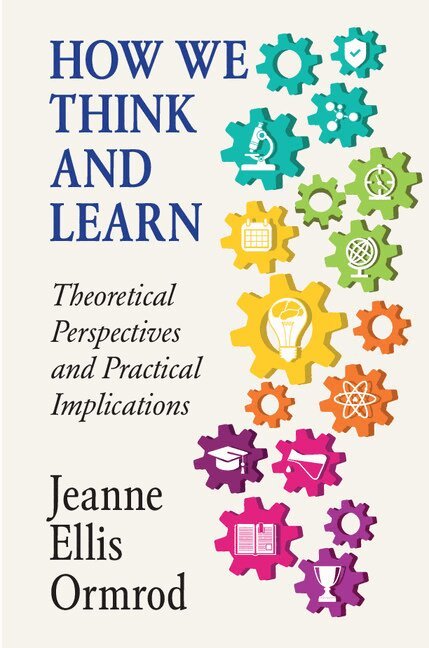
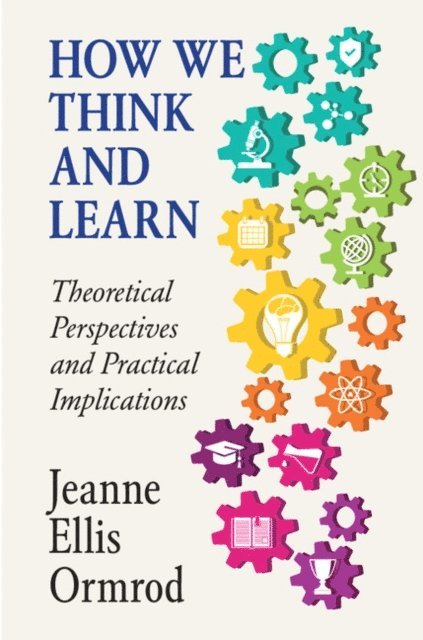
    How We Think and Learn

    Theoretical Perspectives and Practical Implications

    AvJeanne Ellis Ormrod

    Häftad, Engelska, 2017

    369 kr

    Beställningsvara. Skickas inom 7-10 vardagar. Fri frakt över 249 kr.

    Fler format och utgåvor

    Inbunden

    919 kr

    E-bok

    446 kr

    E-bok

    445 kr

    Beskrivning

    Written in a conversational and engaging manner, How We Think and Learn introduces readers to basic principles and research findings regarding human cognition and memory. It also highlights and debunks twenty-eight common misconceptions about thinking, learning, and the brain. Interspersed throughout the book are many short do-it-yourself exercises in which readers can observe key principles in their own thinking and learning. All ten chapters end with concrete recommendations - both for readers' own learning and for teaching and working effectively with others. As an accomplished researcher and writer, Jeanne Ellis Ormrod gives us a book that is not only highly informative but also a delight to read.

    Produktinformation

    • Utgivningsdatum:2017-02-13
    • Mått:152 x 228 x 14 mm
    • Vikt:350 g
    • Format:Häftad
    • Språk:Engelska
    • Antal sidor:236
    • Förlag:Cambridge University Press
    • ISBN:9781316616840

    Utforska kategorier

    • Kognitiv psykologi inom Psykologi och pedagogik

    Mer om författaren

    Jeanne Ellis Ormrod received her AB degree in psychology from Brown University, Rhode Island and her MS and PhD degrees in educational psychology from Pennsylvania State University. She was Professor of Educational Psychology at the University of Northern Colorado (UNC) until 1998 and is now Professor Emerita in UNC's School of Psychological Sciences. Although she no longer conducts her own research on learning and cognition, she remains an avid reader of psychological and educational research, stays in touch with many of her professional colleagues around the world, and continues to update her popular college textbooks in human learning, educational psychology, and research methodologies.

    Recensioner i media

    '… complements basic knowledge of cognitive processes with suggestions for application.' Alisha Francis, PsychCRITICS

    Innehållsförteckning

    • 1. The general nature of human cognition and learning: probably not quite what you think; 2. The human brain: the hardware of our thinking and learning; 3. Cognition and learning as constructive processes: finding order in chaos; 4. Key components of the human memory system: an overly simplistic yet useful model; 5. In-depth cognitive processing: maximizing the 'long-term' in long-term memory; 6. Remembering, forgetting, and misremembering: why long-term memory isn't always dependable; 7. Metacognition: thinking about thinking; 8. Conceptual change: revising our understandings when revisions are called for; 9. Bringing other factors into the picture: how emotions, dispositions, and attributions affect thinking and learning; 10. Self-regulating our behavior: turning intentions into actions; Appendix; References; Index.