
The Sugar Plantation in India and Indonesia
Industrial Production, 1770-2010
574 kr
Beställningsvara. Skickas inom 5-8 vardagar. Fri frakt över 249 kr.
Fler format och utgåvor
Beskrivning
European markets almost exclusively relied on Caribbean sugar produced by slave labor until abolitionist campaigns began around 1800. Thereafter, importing Asian sugar and transferring plantation production to Asia became a serious option for the Western world. In this book, Ulbe Bosma details how the British and Dutch introduced the sugar plantation model in Asia and refashioned it over time. Although initial attempts by British planters in India failed, the Dutch colonial administration was far more successful in Java, where it introduced in 1830 a system of forced cultivation that tied local peasant production to industrial manufacturing. A century later, India adopted the Java model in combination with farmers' cooperatives rather than employing coercive measures. Cooperatives did not prevent industrial sugar production from exploiting small farmers and cane cutters, however, and Bosma finds that much of modern sugar production in Asia resembles the abuses of labor by the old plantation systems of the Caribbean.
Produktinformation
Utforska kategorier
Mer om författaren
Recensioner i media
Innehållsförteckning
Hoppa över listan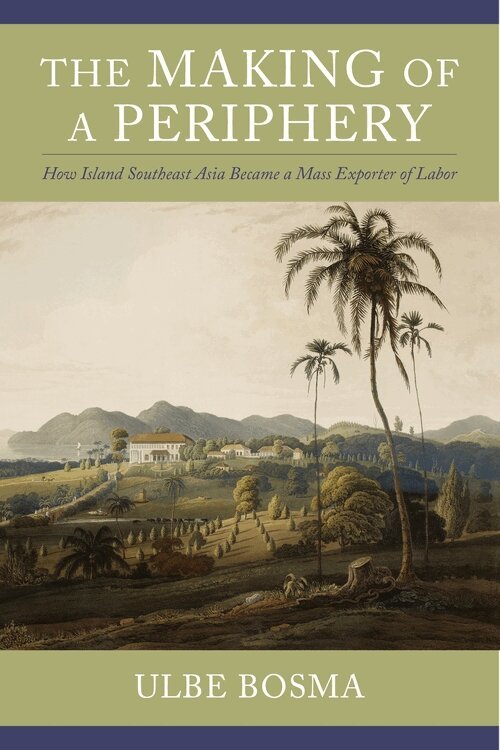
Mer från samma författare
Postcolonial Migrants and Identity Politics
Ulbe Bosma, Jan Lucassen, Gert Oostindie
Inbunden, 2012
1 936 kr
Del 20
Commodities, Ports and Asian Maritime Trade Since 1750
Anthony Webster, Ulbe Bosma
Inbunden, 2015
1 479 kr
Hoppa över listan


Mer från samma serie
Strange Parallels: Volume 2, Mainland Mirrors: Europe, Japan, China, South Asia, and the Islands
Victor Lieberman
Häftad, 2009
688 kr
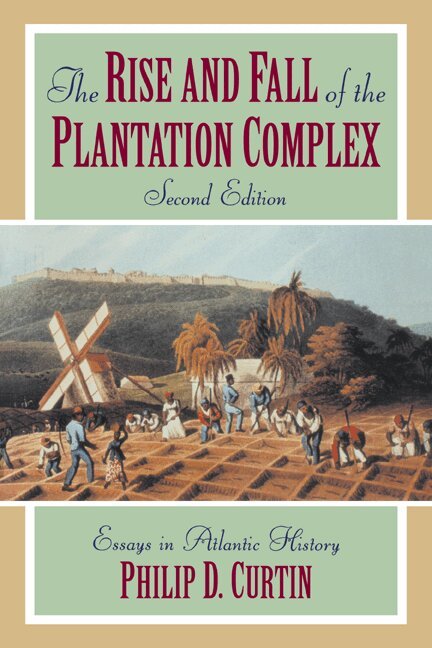
The Rise and Fall of the Plantation Complex
Philip D. Curtin, III Burke, Edmund, Edmund Iii Burke, Philip D. Curtin
Inbunden, 1998
1 312 kr
Africa and Africans in the Making of the Atlantic World, 1400-1800
John Thornton
Inbunden, 1998
1 526 kr
Hoppa över listan
Du kanske också är intresserad av
Del 26
Transportation, Deportation and Exile
Christian G. De Vito, Clare Anderson, Ulbe Bosma
Häftad, 2018
346 kr
Migration and Membership Regimes in Global and Historical Perspective
Ulbe Bosma
Inbunden, 2013
2 312 kr
Del 35
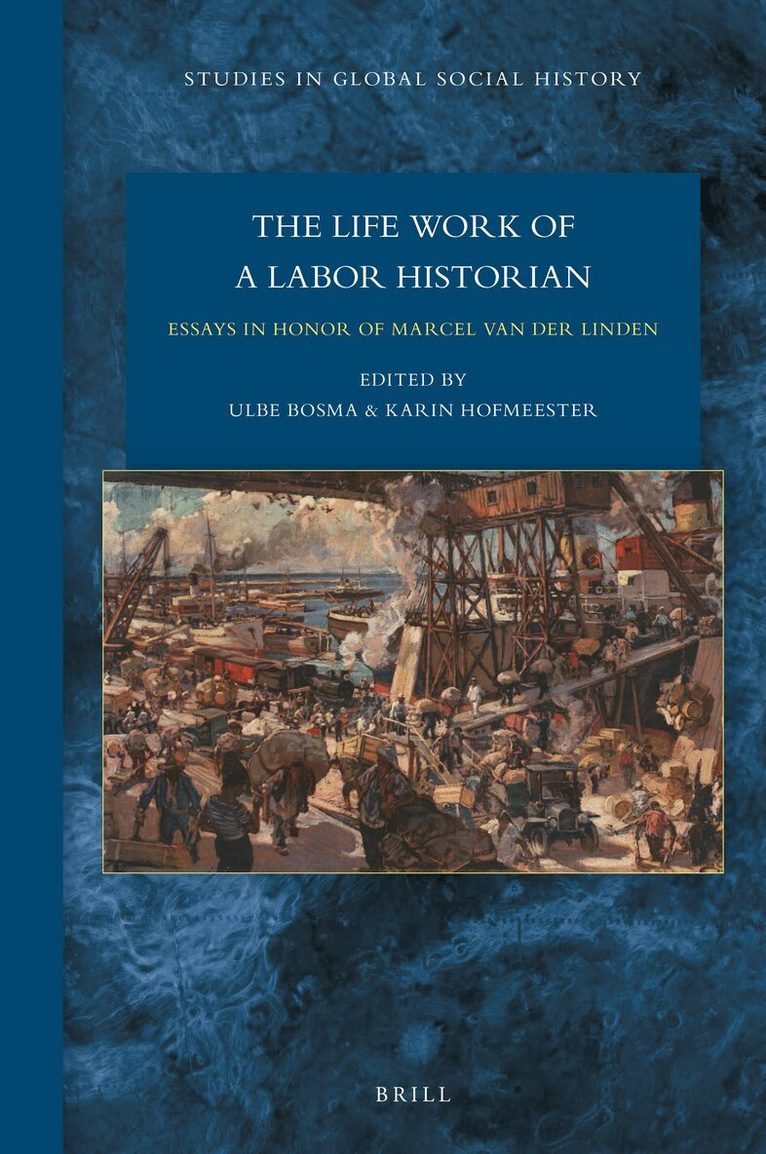
Lifework of a Labor Historian: Essays in Honor of Marcel van der Linden
Ulbe Bosma
Inbunden, 2018
2 104 kr
Del 20