• Fri frakt över 249 kr
  • •
  • Snabba leveranser
  • •
  • Billiga böcker
Kundservice

Du är på sajten för privatpersoner.

Företag, bibliotek eller offentlig verksamhet?

Du handlar på classic.bokus.com, där alla dina funktioner finns intakta.
Till classic.bokus.com
Bokus logotyp. Gå till startsidan.
  • Erbjudanden
  • Nyheter
  • Student
  • Topplistor
  • Barn & ungdom
  • Bokus Play
  • E-böcker
  • Pocketböcker
  • Spel & pussel

10% rabatt på allt med kod: NYSTART10 →

Sidfot

Mina sidor

    Hjälp

    • Kundservice
    • Vanliga frågor och svar
    • Frakt och leverans
    • Retur vid ångerrätt
    • Reklamera vara
    • Betalning
    • Köpvillkor
    • Allmänna villkor
    • Information om webbplatsens tillgänglighet

    Om Bokus

    • Om oss
    • Pressrum
    • För studenter
    • För företag
    • För bibliotek och offentlig verksamhet
    • För leverantörer
    • Hållbarhet

    Populärt

    • Aktuella erbjudanden
    • Presentkort
    • Studentlitteratur
    • Nya böcker
    • Topplistor
    • Signerade böcker
    • Engelska böcker

    Inspiration

    • Boktips
    • BookTok
    • Populära bokserier
    • Barnbokskaraktärer
    • Populära författare
    Logotyp för Bokus
    Följ oss på Facebook (extern länk)Följ oss på Instagram (extern länk)Följ oss på YouTube (extern länk)Följ oss på TikTok (extern länk)
    bokus @ CookiesAnpassa cookiesIntegritetspolicyKöpvillkor
    Till Citymail hemsida (extern länk)Till Budbee hemsida (extern länk)Till Postnord hemsida (extern länk)Till Schenker hemsida (extern länk)Till Early Bird hemsida (extern länk)Till Walleys hemsida (extern länk)
    1. Språk och ordböcker
    2. Språkvetenskap och lingvistik

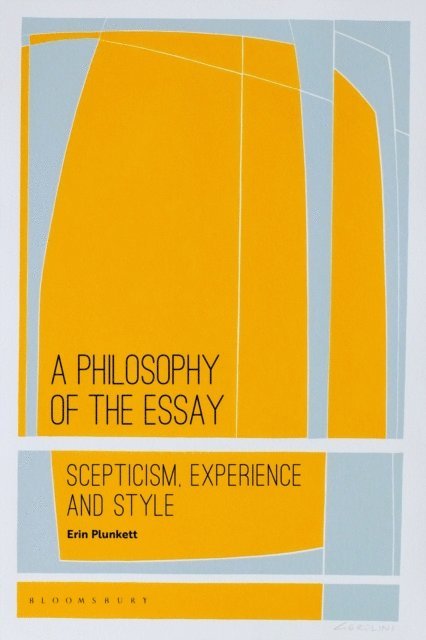
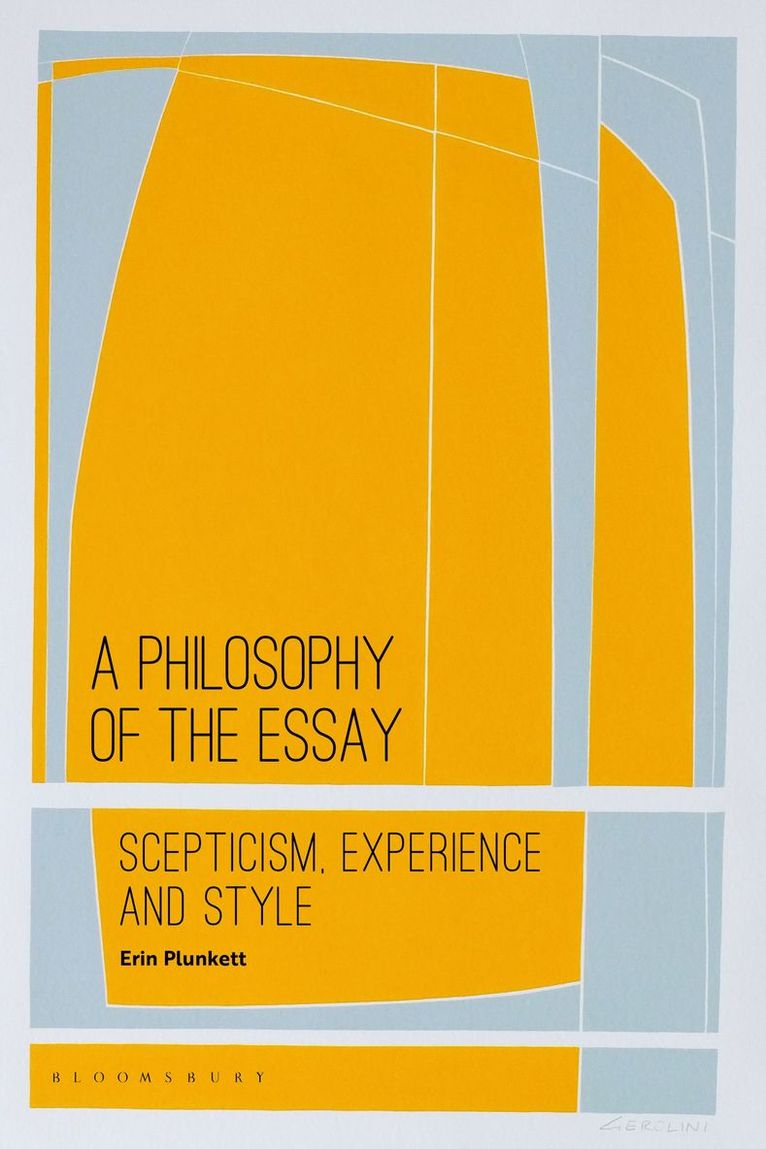
    Philosophy of the Essay

    Scepticism, Experience and Style

    AvErin Plunkett

    Inbunden, Engelska, 2018

    1 672 kr

    Beställningsvara. Skickas inom 10-15 vardagar. Fri frakt över 249 kr.

    Fler format och utgåvor

    E-bok

    513 kr

    E-bok

    513 kr

    Häftad

    479 kr

    Beskrivning

    Erin Plunkett draws from both analytic and continental sources to argue for the philosophical relevance of style, making the case that the essay form is uniquely suited to address the sceptical problem. The authors examined here—Montaigne, Hume, the early German Romantics, Kierkegaard and Stanley Cavell—bring into relief the relationship between scepticism and ordinary life and situate the will to know within a broader frame of meaningful human activity. The formal features of the essay call attention to time, subjectivity, and language as the existential conditions of knowledge.In contrast to foundationalist approaches, which expect philosophy to reach empirical or rational certainty, Plunkett demonstrates through these writings the philosophical advantages of a fragmentary, non-dogmatic style of writing. A Philosophy of the Essay shows how this medium can help us come to terms with the contingency and uncertainty of life.


    Produktinformation

    • Utgivningsdatum:2018-12-27
    • Mått:156 x 234 x 13 mm
    • Vikt:454 g
    • Format:Inbunden
    • Språk:Engelska
    • Antal sidor:192
    • Förlag:Bloomsbury Publishing PLC
    • ISBN:9781350049987

    Utforska kategorier

    • Språkvetenskap och lingvistik inom Språk och ordböcker
    • Filosofiska discipliner inom Filosofi och religion

    Mer om författaren

    Erin Plunkett is Lecturer in Philosophy at the University of Hertfordshire, UK.

    Recensioner i media

    By interpreting the essayistic mode as distinctively responsive to scepticism, Erin Plunkett provides an account of some of its exemplary modern practitioners that sheds new light on the epistemological, metaphysical and ethical dimensions of their chosen form, and thereby on a persistently overlooked but repeatedly renewed philosophical tradition.

    Innehållsförteckning

    • Introduction: Knowing and essayingChapter 1. Reciter L’homme in Montaigne’s EssaysChapter 2. Concepts in Conversation in the Humean EssayChapter 3. Infinite Approximation in the German Romantic FragmentChapter 4. Possibility in Kierkegaard’s Imaginative DiscoursesChapter 5. Scepticism and Acknowledgement in Cavell’s EssaysConclusionBibliographyIndex