• Fri frakt över 249 kr
  • •
  • Snabba leveranser
  • •
  • Billiga böcker
Kundservice

Du är på sajten för privatpersoner.

Företag, bibliotek eller offentlig verksamhet?

Du handlar på classic.bokus.com, där alla dina funktioner finns intakta.
Till classic.bokus.com
Bokus logotyp. Gå till startsidan.
  • Erbjudanden
  • Nyheter
  • Student
  • Topplistor
  • Barn & ungdom
  • Bokus Play
  • E-böcker
  • Pocketböcker
  • Spel & pussel

10% rabatt på allt med kod: NYSTART10 →

Sidfot

Mina sidor

    Hjälp

    • Kundservice
    • Vanliga frågor och svar
    • Frakt och leverans
    • Retur vid ångerrätt
    • Reklamera vara
    • Betalning
    • Köpvillkor
    • Allmänna villkor
    • Information om webbplatsens tillgänglighet

    Om Bokus

    • Om oss
    • Pressrum
    • För studenter
    • För företag
    • För bibliotek och offentlig verksamhet
    • För leverantörer
    • Hållbarhet

    Populärt

    • Aktuella erbjudanden
    • Presentkort
    • Studentlitteratur
    • Nya böcker
    • Topplistor
    • Signerade böcker
    • Engelska böcker

    Inspiration

    • Boktips
    • BookTok
    • Populära bokserier
    • Barnbokskaraktärer
    • Populära författare
    Logotyp för Bokus
    Följ oss på Facebook (extern länk)Följ oss på Instagram (extern länk)Följ oss på YouTube (extern länk)Följ oss på TikTok (extern länk)
    bokus @ CookiesAnpassa cookiesIntegritetspolicyKöpvillkor
    Till Citymail hemsida (extern länk)Till Budbee hemsida (extern länk)Till Postnord hemsida (extern länk)Till Schenker hemsida (extern länk)Till Early Bird hemsida (extern länk)Till Walleys hemsida (extern länk)
    1. Ekonomi och Ledarskap
    2. Nationalekonomi
    3. Ekonomisk politik

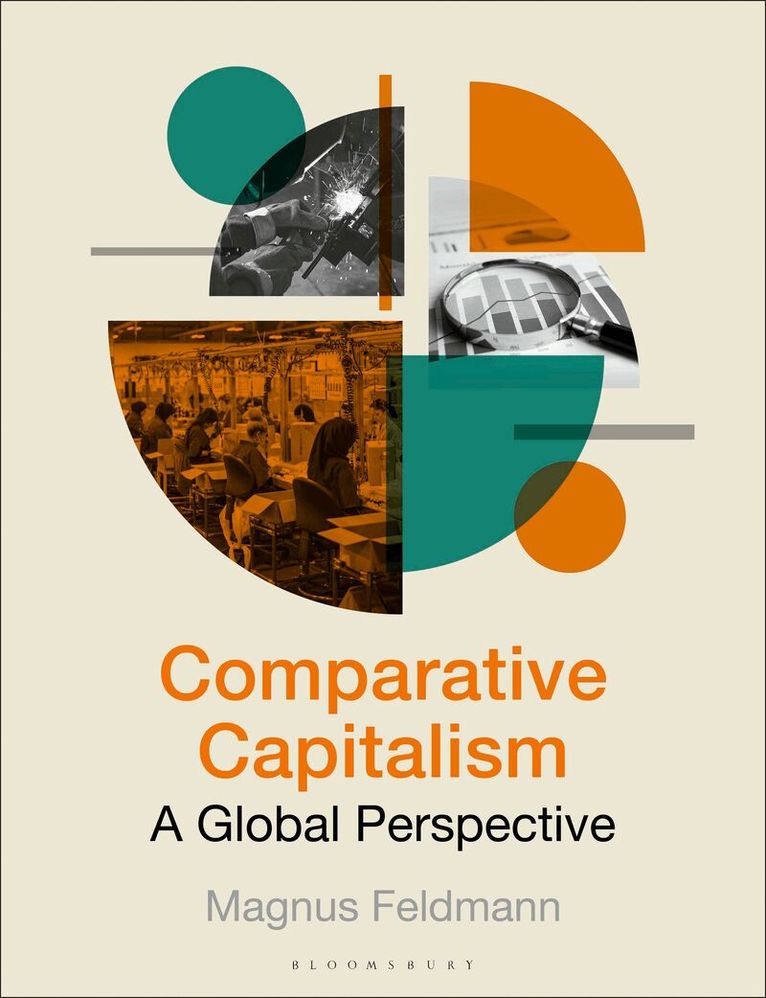
    Comparative Capitalism

    A Global Perspective

    AvMagnus Feldmann

    Inbunden, Engelska, 2025

    1 436 kr

    Beställningsvara. Skickas inom 10-15 vardagar. Fri frakt över 249 kr.

    Fler format och utgåvor

    Häftad

    472 kr

    E-bok

    513 kr

    E-bok

    513 kr

    Beskrivning

    How do capitalist institutions vary across countries and regions? How is capitalist diversity related to political and social factors like inequality, representation, and political systems? How do capitalist institutions shape economic outcomes?Comparative Capitalism takes a global approach to capitalist diversity. It considers not only liberal and coordinated market economies in the Global North, but also other varieties, such as networked, hierarchical, dependent and statist market economies in other parts of the world. It examines new models, such as growth regimes and growth models, and key trends such as the growing significance of finance and the rise of populism in the 21st century. Case studies are drawn from both the Global North and South, including East Central Europe, East Asia, Latin America, and the BRICS economies to highlight both domestic institutions and the role of economic integration on a global scale.Including tables and overviews of key features of each model, Comparative Capitalism is essential reading for students of international and comparative political economy, international development, and business–government relations.

    Produktinformation

    • Utgivningsdatum:2025-02-20
    • Mått:210 x 260 x 20 mm
    • Vikt:720 g
    • Format:Inbunden
    • Språk:Engelska
    • Antal sidor:256
    • Förlag:Bloomsbury Publishing PLC
    • ISBN:9781350423091

    Utforska kategorier

    • Ekonomisk politik inom Ekonomi och Ledarskap

    Mer om författaren

    Magnus Feldmann is Associate Professor in Politics, School of Sociology, Politics and International Studies, University of Bristol, UK.

    Recensioner i media

    This book is essential course material for students in comparative politics and comparative political economy. It covers a global perspective on the varieties of national economic models, their institutional foundations and the key challenges they face.

    Innehållsförteckning

    • PART I: INTRODUCTION1. Introduction: Why comparative capitalism in global perspective?PART II: GLOBAL VARIETIES OF CAPITALISM2. Liberal market economies 3. Coordinated market economies 4. Networked market economies5. Hierarchical market economies6. Dependent market economies7. Statist market economiesPART III: NEW CHALLENGES AND NEW MODELS?8. Growth regimes and the evolution of capitalism9. Financialization10. Growth models and the macroeconomy11. The populist challenge: Comparative capitalism and the rise of populismPART IV: CONCLUSION12. Conclusion