• Fri frakt över 249 kr
  • •
  • Snabba leveranser
  • •
  • Billiga böcker
Kundservice

Du är på sajten för privatpersoner.

Företag, bibliotek eller offentlig verksamhet?

Du handlar på classic.bokus.com, där alla dina funktioner finns intakta.
Till classic.bokus.com
Bokus logotyp. Gå till startsidan.
  • Erbjudanden
  • Nyheter
  • Student
  • Topplistor
  • Barn & ungdom
  • Bokus Play
  • E-böcker
  • Pocketböcker
  • Spel & pussel

10% studentrabatt med kod TERM26

Sidfot

Mina sidor

    Hjälp

    • Kundservice
    • Vanliga frågor och svar
    • Frakt och leverans
    • Retur vid ångerrätt
    • Reklamera vara
    • Betalning
    • Köpvillkor
    • Allmänna villkor
    • Information om webbplatsens tillgänglighet

    Om Bokus

    • Om oss
    • Pressrum
    • För studenter
    • För företag
    • För bibliotek och offentlig verksamhet
    • För leverantörer
    • Hållbarhet

    Populärt

    • Aktuella erbjudanden
    • Presentkort
    • Studentlitteratur
    • Nya böcker
    • Topplistor
    • Signerade böcker
    • Engelska böcker

    Inspiration

    • Boktips
    • BookTok
    • Populära bokserier
    • Barnbokskaraktärer
    • Populära författare
    Logotyp för Bokus
    Följ oss på Facebook (extern länk)Följ oss på Instagram (extern länk)Följ oss på YouTube (extern länk)Följ oss på TikTok (extern länk)
    bokus @ CookiesAnpassa cookiesIntegritetspolicyKöpvillkor
    Till Citymail hemsida (extern länk)Till Budbee hemsida (extern länk)Till Postnord hemsida (extern länk)Till Schenker hemsida (extern länk)Till Early Bird hemsida (extern länk)Till Walleys hemsida (extern länk)
    1. Språk och ordböcker
    2. Språkvetenskap och lingvistik

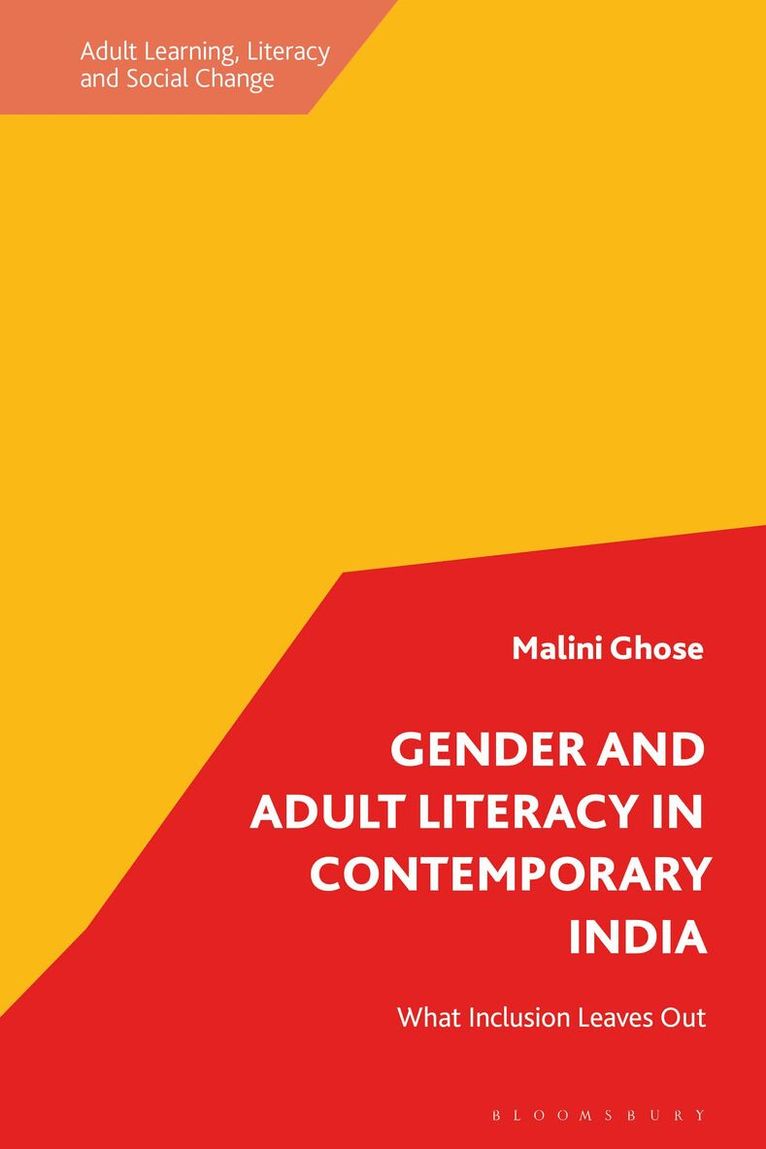
    Gender and Adult Literacy in Contemporary India

    What Inclusion Leaves Out

    AvMalini Ghose,Anna Robinson-Pant

    Inbunden, Engelska, 2027

    Del i serien Adult Learning, Literacy and Social Change

    1 276 kr

    Slutsåld

    Beskrivning

    This book explores transnational and national debates around empowerment, adult literacy and education through the case study analysis of a cohort of rural Dalit (or ‘low caste') women in North India. These women were participants of a state-initiated programme for women’s education in feudal Uttar Pradesh in the 1980s. The author documents how labouring Dalit women value literacy for self-making, playing leadership roles in their families and communities, building institutions, seeking non-traditional employment, and to change gender and caste norms within private and public spheres. These aspirations transcend the ‘functional’ uses of literacy and in fact speak to the fairly radical nature of the feminist education project, in terms of providing the most marginalised with critical tools to navigate their worlds. In these nuanced life histories, a critical review of how social transformation works on the ground comes to light. At a time when the voices and perspectives of the subaltern and of research from the Global South has a new charge and relevance, this book looks closely at how centering these voices can dramatically shift our understanding of educational policy and literacy and gender discourses.

    Produktinformation

    • Utgivningsdatum:2027-03-04
    • Mått:156 x 234 x 25 mm
    • Vikt:454 g
    • Format:Inbunden
    • Språk:Engelska
    • Serie:Adult Learning, Literacy and Social Change
    • Antal sidor:256
    • Förlag:Bloomsbury Publishing PLC
    • ISBN:9781350457935

    Utforska kategorier

    • Språkvetenskap och lingvistik inom Språk och ordböcker

    Mer om författaren

    Malini Ghose is an independent researcher based in New Delhi, India. She has over three decades of experience as a grassroots practitioner, trainer, material and curriculum developer, researcher, and policy advocate. She is a founding member of Nirantar, a New Delhi based resource centre for Gender and Education.

    Innehållsförteckning

    • Series Editor ForewordIntroductionPart I: Literacy and Power 1. Gender, Literacy and Empowerment: Setting the Context2. Education and the Rural Woman: Policy Discourses from the Mid-1970s to the Early 1990s3. The Travel of Feminist Education: Ideas, Contestations and New Articulations4. Literacy, Knowledge and Power: (Re)Fashioning Rural Women’s SubjectivitiesPart II: Living and Learning 5. Identity, Connections and Reach: Dalit Women, Literacy and Social Mobility6. Confrontation and Collaboration: Strategies of New Dalit Subjectification through Literacy 7. Competing Visions, Contingent Narratives: (Re)Making the Self and Family through Literacy 8. Gender, Caste, Privates and Publics: Literacy and Building Political Subjectivities9. Lessons to be Learnt: Conclusions and New Contexts List of Interviews ReferencesIndex