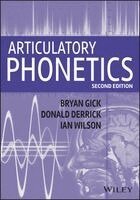
Häftad, Engelska, 2026
Articulatory Phonetics
Av Bryan Gick, Donald Derrick, Ian Wilson
639 kr
Kommande
Beskrivning
Provides a Clear, Engaging Introduction to the Physical Mechanisms of Human Speech Production The second edition of Articulatory Phonetics offers a fresh, expanded exploration of how the human body produces the sounds of speech. With dozens of new and updated illustrations, revised exercises, and the addition of an entirely new chapter on sensory systems, this edition reflects the latest scientific and theoretical advances in the study of speech production. Authors Bryan Gick, Donald Derrick, and Ian Wilson integrate recent discoveries on motor modularization, speech posture, and multimodal perception, providing readers with an up-to-date and engaging overview of the biomechanics of speaking. Maintaining the hallmark clarity of the first edition, Articulatory Phonetics continues to serve as a concise, non-technical introduction to the anatomy and physiology of speech—offering fresh insights into how sensory feedback guides articulatory movement. New original illustrations and accessible discussions demystify the complex interactions between the brain, muscles, and airflow that enable speech. Supported by online MRI-based visualizations and new downloadable exercises, this edition equips students and researchers to engage confidently with current approaches and experimental methods in articulatory phonetics. Setting a new standard for learning how bodily motion is transformed into the sounds of language, Articulatory Phonetics: Integrates the latest theoretical perspectives and experimental findings from linguistics, neuroscience, and speech scienceOffers an intuitive progression from neural control to complex articulation, emphasizing the physical foundations of speechHighlights related topics that connect articulatory phonetics to broader research themesAddresses new research on sensory systems and their vital role in guiding speech movementsDesigned as both a standalone introduction and a companion to Keith Johnson’s Acoustic and Auditory PhoneticsArticulatory Phonetics, Second Edition, is ideal for advanced undergraduate and beginning graduate students in linguistics, speech science, and communication disorders. It is well-suited for courses such as Articulatory Phonetics, Speech Anatomy and Physiology, or Introduction to Phonetics within degree programs in linguistics, cognitive science, and speech-language pathology.
Produktinformation
- Utgivningsdatum: 2026-10-19
- Mått: 178 x 252 x 20 mm
- Vikt: 635 g
- Format: Häftad
- Språk: Engelska
- Antal sidor: 320
- Upplaga: 2
- Förlag: John Wiley & Sons Inc
- ISBN: 9781394240319
Utforska kategorier
Betyg & recensioner
0 recensioner
Inga recensioner tillgängliga.