• Fri frakt över 249 kr
  • •
  • Snabba leveranser
  • •
  • Billiga böcker
Kundservice

Du är på sajten för privatpersoner.

Företag, bibliotek eller offentlig verksamhet?

Du handlar på classic.bokus.com, där alla dina funktioner finns intakta.
Till classic.bokus.com
Bokus logotyp. Gå till startsidan.
  • Erbjudanden
  • Nyheter
  • Student
  • Topplistor
  • Barn & ungdom
  • Bokus Play
  • E-böcker
  • Pocketböcker
  • Spel & pussel

10% rabatt på allt med kod: NYSTART10 →

Sidfot

Mina sidor

    Hjälp

    • Kundservice
    • Vanliga frågor och svar
    • Frakt och leverans
    • Retur vid ångerrätt
    • Reklamera vara
    • Betalning
    • Köpvillkor
    • Allmänna villkor
    • Information om webbplatsens tillgänglighet

    Om Bokus

    • Om oss
    • Pressrum
    • För studenter
    • För företag
    • För bibliotek och offentlig verksamhet
    • För leverantörer
    • Hållbarhet

    Populärt

    • Aktuella erbjudanden
    • Presentkort
    • Studentlitteratur
    • Nya böcker
    • Topplistor
    • Signerade böcker
    • Engelska böcker

    Inspiration

    • Boktips
    • BookTok
    • Populära bokserier
    • Barnbokskaraktärer
    • Populära författare
    Logotyp för Bokus
    Följ oss på Facebook (extern länk)Följ oss på Instagram (extern länk)Följ oss på YouTube (extern länk)Följ oss på TikTok (extern länk)
    bokus @ CookiesAnpassa cookiesIntegritetspolicyKöpvillkor
    Till Citymail hemsida (extern länk)Till Budbee hemsida (extern länk)Till Postnord hemsida (extern länk)Till Schenker hemsida (extern länk)Till Early Bird hemsida (extern länk)Till Walleys hemsida (extern länk)
    1. Filosofi och religion
    2. Filosofi

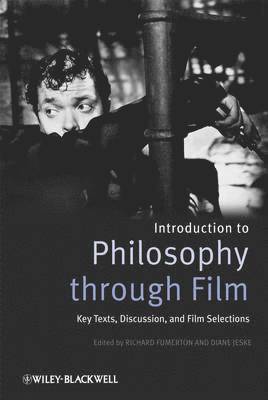
    Introducing Philosophy Through Film

    Key Texts, Discussion, and Film Selections

    AvRichard Fumerton,Diane Jeske

    Inbunden, Engelska, 2009

    1 335 kr

    Beställningsvara. Skickas inom 11-20 vardagar. Fri frakt över 249 kr.

    Beskrivning

    Introducing Philosophy through Film “Introducing Philosophy Through Film is a truly wonderful introduction to the core problems of philosophy. Its combination of great films, classic articles from both historical and contemporary philosophers, wonderfully clear introductions to each section, and provocative questions for discussion make for an introduction that is as compelling as it is rigorous.” Richard Foley, New York University “Fumerton and Jeske have compiled an excellent anthology, filled with dozens of classic texts on the central problems of philosophy most often addressed in introductory philosophy courses. And the films they suggest will help introduce students to philosophy in the most enjoyable way possible.” Michael Huemer, University of Colorado From Monty Python and The Matrix to Casablanca and A Clockwork Orange, popular films offer surprisingly perceptive insights into complex philosophical concepts. Introducing Philosophy Through Film combines this novel pedagogical approach with all the virtues of a serious introductory anthology of classical and contemporary philosophical readings. The result is an engaging and effective way to fire the imagination of those new to philosophy. Drawing on a wide range of popular and easily accessible films — along with the ideas of a diverse selection of historical and contemporary thinkers — this book introduces many of the central areas of philosophical concern, including perception, philosophy of mind, ethics, religion, free will, determinism, and more. Chapter by chapter, the editors offer a discussion of relevant film clips to help illuminate and demystify the philosophical arguments and positions raised in the anthology’s readings. By merging the cinematic and philosophical worlds, Introducing Philosophy Through Film provides a uniquely effective way for beginning students to engage with philosophy and gain insights into the human mind.

    Produktinformation

    • Utgivningsdatum:2009-04-03
    • Mått:183 x 254 x 41 mm
    • Vikt:1 252 g
    • Format:Inbunden
    • Språk:Engelska
    • Antal sidor:640
    • Förlag:John Wiley and Sons Ltd
    • ISBN:9781405171021

    Utforska kategorier

    • Filosofi inom Filosofi och religion
    • Film inom Kultur

    Mer om författaren

    Richard Fumerton is the F. Wendell Miller Professor of Philosophy at the University of Iowa. He is the author of Metaphysical and Epistemological Problems of Perception (1985), Reason and Morality: A Defense of the Egocentric Perspective (1990), Metaepistemology and Skepticism (1995), Realism and the Correspondence Theory of Truth (2002), Epistemology (Blackwell, 2005), and Mill (with Wendy Donner, Wiley-Blackwell, 2009). His present teaching and research interests include epistemology, metaphysics, and value theory. Diane Jeske is Associate Professor of Philosophy at the University of Iowa. Her teaching and research interests include ethics, political philosophy, and philosophy of law. She is the author of Rationality and Moral Theory: How Intimacy Generates Reasons (2008).

    Innehållsförteckning

    • Preface Source AcknowledgmentsPart I: Introduction: Philosophical Analysis, Argument, and the Relevance of Thought ExperimentsFilms: Monty Python, "The Argument Skit"; Pulp Fiction; Seinfeld episode: The SoupPart II: The Problem of PerceptionFilms: Total Recall; The Matrix; Star Trek TV episode: The MenagerieIntroduction1. First Meditation and excerpt from Sixth Meditation: René Descartes2. Some Further Considerations Concerning Our Simple Ideas of Sensation: John Locke3. Three Dialogues Between Hylas and Philonous: George Berkeley4. Of the Sceptical and Other Systems of Philosophy: David Hume5. The Self and the Common World: A. J. Ayer6. Brains in a Vat: Hilary Putnam7. The Structure of Skeptical Arguments and its Metaepistemological Implications: Richard Fumerton8. The Experience Machine: Robert NozickPart III: Philosophy of MindFilms: What Dreams May Come; Bicentennial Man; Heaven Can Wait; The Sixth Day; The Prestige; Multiplicity; Star Trek TV episode: Turn About IntruderIntroduction9. Second Meditation: René Descartes10. Descartes’ Myth: Gilbert Ryle11. Sensations and Brain Processes: J. J. C. Smart12. What Is It Like to Be a Bat?: Thomas Nagel13. What Mary Didn’t Know: Frank Jackson14. Minds, Brains, and Programs: John R. Searle15. Mad Pain and Martian Pain: David Lewis16. Eliminative Materialism: Paul Churchland17. Of Identity and Diversity: John Locke18. The Self and the Future: Bernard Williams19. From Reasons and Persons: Derek Parfit20. A Dialogue on Personal Identity and Immortality: John Perry21. On the Immortality of the Soul: David HumePart IV: EthicsA. Act Consequentialism and its CriticsFilms: Abandon Ship!; Fail Safe; Dirty Harry; Sophie’s Choice; Saving Private Ryan; Judgment at Nuremberg; Minority Report: 24 (Season 3: 6.00–7.00 a.m.); Titanic; Vertical LimitIntroduction22. Utilitarianism: John Stuart Mill23. Groundwork for the Metaphysics of Morals: Immanuel Kant24. What Makes Right Acts Right?: W. D. Ross25. A Critique of Utilitarianism: Bernard Williams26. An Outline of a System of Utilitarian Ethics: J. J. C. Smart27. Intending Harm: Shelly Kagan28. United States v. Holmes (1842)29. The Queen v Dudley and Stephens30. War and Massacre: Thomas NagelB. Obligations to IntimatesFilms: The English Patient; Casablanca; The Third Man; The Music Box; High Noon; Nick of Time; 24 (Season 1: 7.00–8.00 a.m.)Introduction31. From Nicomachean Ethics: Aristotle32. Self and Others: C. D. Broad33. Filial Morality: Christina Hoff Sommers34. Alienation, Consequentialism, and the Demands of Morality: Peter Railton35. Relatives and Relativism: Diane Jeske and Richard Fumerton36. Families, Friends, and Special Obligations: Diane Jeske37. An Ethic of Caring: Nel NoddingsPart V: Philosophy of TimeFilms: Somewhere in Time; Back to the Future; Planet of the Apes; Frequency; A Sound of ThunderIntroduction38. Making Things to Have Happened: Roderick M. Chisholm and Richard Taylor39. Space and Time: Richard Taylor40. The Paradoxes of Time Travel: David LewisPart VI: Free Will, Foreknowledge, and DeterminismFilms: Minority Report: The Boys From Brazil: A Clockwork Orange: The Omen: Compulsion: Law and Order ("black rage" defense), Season 5, Episode 69414, Rage (2/01/95)Introduction41. From De Interpretatione: Aristotle42. Of Liberty and Necessity: David Hume43. Meaning and Free Will: John Hospers44. Determinism: J. R. Lucas45. Freedom of the Will and the Concept of a Person: Harry G. Frankfurt46. The M’Naghten Rules (1843): House of Lords47. The Insanity Defense (1956): The American Law Institute48. What Is So Special About Mental Illness?: Joel FeinbergPart VII: Philosophy of ReligionFilms: Jason and the Argonauts; Star Trek V: The Final Frontier; Dogma; YouTube: Mr Deity and the EvilIntroduction49. The Wager: Blaise Pascal50. The Ontological Argument: Anselm51. The Cosmological and Design Arguments: William L. Rowe52. Evil and Omnipotence: J. L. Mackie53. Why I Am Not a Christian: Bertrand Russell