• Fri frakt över 249 kr
  • •
  • Snabba leveranser
  • •
  • Billiga böcker
Kundservice

Du är på sajten för privatpersoner.

Företag, bibliotek eller offentlig verksamhet?

Du handlar på classic.bokus.com, där alla dina funktioner finns intakta.
Till classic.bokus.com
Bokus logotyp. Gå till startsidan.
  • Erbjudanden
  • Nyheter
  • Student
  • Topplistor
  • Barn & ungdom
  • Bokus Play
  • E-böcker
  • Pocketböcker
  • Spel & pussel

Må bättre, för mindre! Upp till 50% rabatt på hälsoböcker

Sidfot

Mina sidor

    Hjälp

    • Kundservice
    • Vanliga frågor och svar
    • Frakt och leverans
    • Retur vid ångerrätt
    • Reklamera vara
    • Betalning
    • Köpvillkor
    • Allmänna villkor
    • Information om webbplatsens tillgänglighet

    Om Bokus

    • Om oss
    • Pressrum
    • För studenter
    • För företag
    • För bibliotek och offentlig verksamhet
    • För leverantörer
    • Hållbarhet

    Populärt

    • Aktuella erbjudanden
    • Presentkort
    • Studentlitteratur
    • Nya böcker
    • Topplistor
    • Signerade böcker
    • Engelska böcker

    Inspiration

    • Boktips
    • BookTok
    • Populära bokserier
    • Barnbokskaraktärer
    • Populära författare
    Logotyp för Bokus
    Följ oss på Facebook (extern länk)Följ oss på Instagram (extern länk)Följ oss på YouTube (extern länk)Följ oss på TikTok (extern länk)
    bokus @ CookiesAnpassa cookiesIntegritetspolicyKöpvillkor
    Till Citymail hemsida (extern länk)Till Budbee hemsida (extern länk)Till Postnord hemsida (extern länk)Till Schenker hemsida (extern länk)Till Early Bird hemsida (extern länk)Till Walleys hemsida (extern länk)
    1. Samhälle och politik
    2. Samhälle och kultur
    3. Sociala grupper och identitet
    4. Genusvetenskap

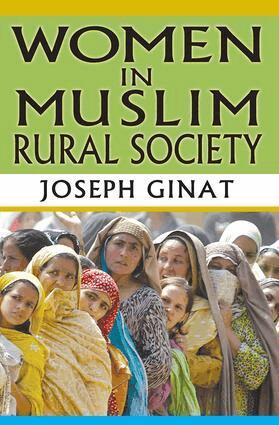
    Women in Muslim Rural Society

    AvJoseph Ginat,Joseph Ginat

    Häftad, Engelska, 2013

    372 kr

    Beställningsvara. Skickas inom 10-15 vardagar. Fri frakt över 249 kr.

    Fler format och utgåvor

    E-bok

    436 kr

    E-bok

    436 kr

    Beskrivning

    This study reassesses several accepted truths about Arab village society. It shows first that one cannot speak about the position of women in general, because there is a great difference among women depending on the structure of their households and relationships. Women whose work contributes to the family's income, who have been able to acquire property, who exert control over their sons, and who have the quickness of mind to exploit suitable opportunities, often have their way in the economic and political affairs of their households and beyond.Ginat's analysis of marriage patterns dispels the common notion that men customarily seek the hand of their father's brother's daughter, and that this type of marriage illustrates a principle of endogamy in Arab village society. After carefully examining the numerous reasons for each marriage, he concludes that a combination of material and political considerations of the families involved, and not stated norms, determines the choice of spouses.The author clarifies the notion of honor, which hitherto has been used to explain so many things in Arab society. In Arab societies a man's honor often seems to depend on the reputation of his women. Now it appears that his honor is gauged not by the actual sexual comportment of women for whom he is morally responsible, but by public attitudes towards that sexuality. Ginat's analysis adds to our understanding of some central themes in Arab society. He provides valuable and complete information about aspects of family life that have rarely been covered in such detail.

    Produktinformation

    • Utgivningsdatum:2013-05-30
    • Mått:152 x 229 x 16 mm
    • Vikt:430 g
    • Format:Häftad
    • Språk:Engelska
    • Antal sidor:289
    • Förlag:Taylor & Francis Inc
    • ISBN:9781412851763

    Utforska kategorier

    • Genusvetenskap inom Samhälle och politik
    • Sociala grupper och identitet inom Samhälle och politik

    Mer om författaren

    Joseph Ginat was professor in the department of land of Israel studies at Haifa University, Israel. Previously he served as deputy adviser on Arab affairs to the prime minister. Some of his writings include Blood Disputes among Bedouin and Rural Arabs in Israel and Blood Revenge .

    Innehållsförteckning

    • List of Figures and Tables Foreword Preface Acknowledgments Chapter 1: General Features of the Hamlets The Villages Choice of Research Location Research Methods Ecology of the Hamlets Public Buildings and Shops Private Homes and Courtyards Personal Clothing Notes Chapter 2: Historical Background and Environment Establishment of Offshoots Different Types of Dwelling Situation after Rhodes Agreement Land Ownership Housing Projects and New Buildings Local Government and Institutions Education Transportation and Communications Contacts Between Hamlets Notes Chapter 3: Economic Structure Occupation Histadrut Membership Land Leases Distribution of Irrigation Water Water Cooperatives Livestock Occupational Changes and Attitude to Village Notes Chapter 4: Marriage Patterns Alleged Right to Marry FBD Explanations for Alleged FBD Preference Proposed Evaluation of Marriage Patterns The Model Marriage Patterns in the Hamlets Sub-period 1918-30 Sub-period 193 1-48 Sub-period 1949-56 Sub-period 1957-June 1967 Sub-period July 1967-Sept. 1974 Exchange Marriages - Badal FBD Marriages: Fact Versus Ideology Descent and Hamfila Membership Planned Marriages Further Discussion of Badal Endogamy Reconsidered Summing up of Method, Model and Marriage Patterns Notes Chapter 5: Woman's Status and Role Woman's Power Ideology Versus Woman's Own Views Average Size of Family Freedom of Movement Changes in Woman's Status Woman's Involvement in Decision-Making Selection of Marriage Partners Woman as Property Owner Family Honor and Shame Relationships within the Family Women as Conveyors of Information Importance of Gossip Roles in Circumcision Ceremonies Woman's Place in the Political Structure Woman's Definition of her Role and Status Notes Epilogue Appendixes: Appendix A: Informant Questionnaire Appendix B: Supplementary Agricultural Data Appendix C: Kinship Charts Appendix D: Supplementary Studies in Marriage Pattern Analysis Photographs Bibliography Index