• Fri frakt över 249 kr
  • •
  • Snabba leveranser
  • •
  • Billiga böcker
Kundservice

Du är på sajten för privatpersoner.

Företag, bibliotek eller offentlig verksamhet?

Du handlar på classic.bokus.com, där alla dina funktioner finns intakta.
Till classic.bokus.com
Bokus logotyp. Gå till startsidan.
  • Erbjudanden
  • Student
  • Topplistor
  • Barn & ungdom
  • Bokus Play
  • E-böcker
  • Ljudböcker
  • Pocketböcker
  • Spel och pussel

Pocketfynda! Hundratals böcker för 49 kr/st →

Sidfot

Mina sidor

    Hjälp

    • Kundservice
    • Vanliga frågor och svar
    • Frakt och leverans
    • Retur vid ångerrätt
    • Reklamera vara
    • Betalning
    • Köpvillkor
    • Allmänna villkor
    • Information om webbplatsens tillgänglighet

    Om Bokus

    • Om oss
    • Pressrum
    • För studenter
    • För företag
    • För bibliotek och offentlig verksamhet
    • För leverantörer
    • Hållbarhet

    Populärt

    • Aktuella erbjudanden
    • Presentkort
    • Studentlitteratur
    • Nya böcker
    • Topplistor
    • Signerade böcker
    • Engelska böcker

    Inspiration

    • Boktips
    • BookTok
    • Barnbokskaraktärer
    • Populära författare
    Logotyp för Bokus
    Följ oss på Facebook (extern länk)Följ oss på Instagram (extern länk)Följ oss på YouTube (extern länk)Följ oss på TikTok (extern länk)
    bokus @ CookiesAnpassa cookiesIntegritetspolicyKöpvillkor
    Till Citymail hemsida (extern länk)Till Budbee hemsida (extern länk)Till Postnord hemsida (extern länk)Till Schenker hemsida (extern länk)Till Early Bird hemsida (extern länk)Till Walleys hemsida (extern länk)
    1. Psykologi och pedagogik
    2. Pedagogik
    3. Pedagogisk metodik

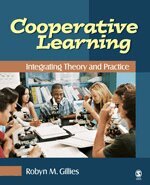
    Cooperative Learning

    Integrating Theory and Practice

    AvRobyn M. Gillies

    Inbunden, Engelska, 2007

    2 636 kr

    Beställningsvara. Skickas inom 3-6 vardagar. Fri frakt över 249 kr.

    Fler format och utgåvor

    Häftad

    957 kr

    Beskrivning

    "Gilles focuses the majority of the book on the relationship in the classroom between the individual teacher and the students. She gives teachers ammunition to overcome resistance to cooperative learning by presenting well-substantiated research on virtually every page of her book showing the benefits of having students study together." 

                                                                                                              —Ted Wohlfarth, PSYCCRITIQUES

    "This text's greatest strengths are bringing together a range of powerful teaching strategies connected to students taking responsibility for their own learning and the learning of others. The focus on both teacher strategies to encourage effective group talk and student strategies to encourage effective discourse is helpful."

    —Nancy L. Markowitz, San Jose State University

    Although cooperative learning is widely endorsed as a pedagogical practice that promotes learning and socialization among students, teachers still struggle with how to introduce it into their classrooms. This text highlights the strategies teachers can use to challenge student thinking and scaffold their learning as well as the strategies students can be taught to promote discourse, problem—solving, and learning during cooperative learning.

    Key Features

    • Presents cooperative learning in conjunction with national standards: The book situates cooperative learning within the context of No Child Left Behind and a climate of high stakes testing.
    • Links theory with practice: Numerous case studies and small group exercises highlight how teachers can assess both the process and outcomes of cooperative learning.
    • Emphasizes the key role teachers play in establishing cooperative learning: Guidelines are given on how teachers can establish cooperative learning in their classrooms to promote student engagement and learning across various levels and for students of diverse abilities.
    • Incorporates the latest research on cooperative learning: An overview is provided of the major research and theoretical perspectives that underpin the development of cooperative learning pedagogy.

    Intended Audience

    This is an excellent supplementary text for several undergraduate and graduate level K—12 teacher preparation and certification courses regularly offered in schools of education. It can also be used as one of several texts in courses on cooperative learning and as a supplement in K—12 teaching methods courses.

    Produktinformation

    • Utgivningsdatum:2007-05-16
    • Mått:187 x 231 x 20 mm
    • Vikt:650 g
    • Format:Inbunden
    • Språk:Engelska
    • Antal sidor:288
    • Upplaga:1
    • Förlag:SAGE Publications
    • ISBN:9781412940474

    Utforska kategorier

    • Pedagogisk metodik inom Psykologi och pedagogik

    Mer om författaren

    Robyn M. Gillies is an associate professor in the School of Education at The University of Queensland, Brisbane, Australia.  She has worked extensively in schools to help teachers establish cooperative learning pedagogical practices in their classrooms. The results of this research have been published in many leading international journals including, The Journal of Educational Psychology, The Journal of Special Education, The International Journal of Educational Research, Learning and Instruction, and the British Journal of Educational Psychology. In 2003 she co-edited; Cooperative Learning: The Social and Intellectual Outcomes of Learning in Groups (RoutledgeFalmer). Gillies is a member of the editorial board for the International Journal of Disability, Development and Education and editor of the Australian Journal of Guidance and Counselling.

    Recensioner i media

    "Gilles focuses the majority of the book on the relationship in the classroom between the individual teacher and the students. She gives teachers ammunition to overcome resistance to cooperative learning by presenting well-substantiated research on virtually every page of her book showing the benefits of having students study together." —Ted Wohlfarth, PSYCCRITIQUES

    Innehållsförteckning

    • 1. Cooperative Learning In SchoolsIntroduction and Learning ObjectivesCase Study: The Case of TomIntroducing Cooperative LearningGroup TaskGrouping PracticesPromoting Student DiscourseCooperative Learning Pedagogy in the Classroom: Teacher’s RoleEffective or Expert TeachersThe Impact of Mandatory Testing On Cooperative LearningSpecific Requirements of the No Child Left Behind (NCLB) LawWhy Test?What Happened?Teachers’ Perceptions of Mandatory TestingThe Case Against TestingIs Mandated Testing Working?The Potential to Transform Schools: Using Cooperative Learning PedagogyCase Study: Transforming a School: A Principal’s StorySchool-Wide Cooperative LearningTeachers Reported Satisfaction with Cooperative LearningA Comprehensive School Reform ModelStructure and Content: Overview of the Chapters That FollowChapter SummaryPractical Activities2. Key Components in Establishing Successful Cooperative GroupsIntroduction and Learning ObjectivesCase Study: An Example of Cooperative Learning in a First Grade ClassroomCooperative LearningPositive InterdependencePractical Activity: Ways of Structuring Positive InterdependencePromotive InteractionPractical Activity: Ways of Promoting InteractionIndividual AccountabilityPractical Activity: Ways of Ensuring Individual AccountabilityInterpersonal and Small Group SkillsPractical Activity: Ways of Ensuring that Children Learn Interpersonal and Small Group SkillsGroup ProcessingPractical Activity: Ideas for Group ProcessingHow Long Should Students Work In Cooperative Groups?Five Key Components for Structuring Cooperative Learning GroupsBringing It All Together: Understanding the ResearchLow-Ability ChildrenAffective DevelopmentWhat is Cooperative Learning?The Role of the Teacher in Establishing Cooperative LearningChapter SummaryPractical Activities3. Teachers’ Discourse to Promote Student Thinking and LearningIntroduction and Learning ObjectivesCase Study: Teacher’s Dialogue with a Small Group of StudentsTeachers’ Discourse During Whole-Class, Small Group, and Cooperative LearningWhole-class Versus Cooperative LearningSmall-Group Versus Cooperative LearningCommunications Skills and Cooperative LearningTypes of Mediated LearningPedagogical Practices That Promote ThinkingCase Study: An Exchange between a Teacher and One of the Small Groups in her Fifth Grade ClassCase Study: A Discussion among Students in a Small GroupCase Study: An Exchange between an Eleventh Grade Teacher and a Small Group of StudentsCase Study: A Group Discussion among Eleventh Grade StudentsOther Ways of Challenging Students’ Thinking and Facilitating InteractionsCreating the Learning EnvironmentPractical Activity: Ways of Creating a Cooperative Learning EnvironmentBringing It All Together: Understanding the ResearchChapter SummaryPractical Activities4. Strategies to Promote Student DiscourseIntroduction and Learning ObjectivesStrategies for Helping Students to Dialogue TogetherReciprocal TeachingCase Study: An Example of the Four Reciprocal Teaching StrategiesPractical Activity: Ways of Teaching Reciprocal Teaching Strategies to StudentsPractical Activity: Ideas for Establishing Audience RolesCollaborative Strategic ReadingPractical Activity: Ways of Introducing CSR to Students to Enhance their Understanding of TextScripted CooperationGuided Reciprocal Peer QuestioningAsk To Think-Tel Why StrategyCase Study: Example of Fifth Grade Students Dialoguing Together Using the Ask to Think-Tel Why Questioning StrategiesSelf-Regulated Strategy DevelopmentBringing It All Together: Understanding the ResearchChapter SummaryPractical Activities5. Group CompositionIntroduction and Learning ObjectivesHarnessing the Power of the Group: Productive Small GroupsCase Study: Students’ Perceptions of Mixed-Ability Groupings in Their ClassroomAbility GroupingsCatering For Students with Diverse NeedsPractical Activity: Ideas for Establishing Mixed-Ability GroupsGender GroupingsTeachers’ Perspectives on Grouping StudentsFriendship GroupingsPractical Activity: Ideas for Establishing Friendship GroupsStatusCase Study: Enhancing Mandy’s Low-Status in her GroupMultiple IntelligencesInterest GroupingsSurveying Students’ InterestsComputer Technology GroupingsPromoting Student TalkCase Study: Preparing a Power Point Presentation on NicotinePractical Activity: Ideas for Establishing Computer GroupingsBringing It All Together: Understanding the ResearchChapter SummaryPractical Activities6. Assessing Small Group LearningIntroduction and Learning ObjectivesCase Study: Teachers’ Reports on How They Assess Small Group LearningFormative AssessmentCurriculum-Based AssessmentsPeer AssessmentComputer-Supported Peer AssessmentPractical Activity: Conducting Formative Assessments of Small Group LearningSummative AssessmentCriterion-Referenced AssessmentsAuthentic AssessmentsUsing Authentic Assessments in Different ContextsCase StudiesPortfoliosExhibitions of PerformanceProblem-Base InquiriesProblem-Based Learning Using Formative and Summative AssessmentsKey Points on Summative Assessments and their PurposesPractical Activity: Conducting Summative Assessments of Small Group LearningBringing It All Together: Understanding the ResearchChapter SummaryPractical Activities7. Teachers’ Responsibilities in Establishing Cooperative Learning in their ClassroomsIntroduction and Learning ObjectivesCase Study: A High School Teacher’s Experience with Cooperative LearningCreating a Cooperative Learning EnvironmentStudent-Centered LearningNegotiate Expectations for Small Group BehaviorsDeveloping Communication Skills for Group DiscussionSpecific Metacognitive Skills That Promote DiscourseThe Teacher’s Role In Promoting Mediated-LearningDeveloping Appropriate Helping BehaviorsChoosing Tasks for Small Group DiscussionsMonitoring Students’ Progress and Evaluating OutcomesCase Study: Developing Criteria for Assessing Group Outcomes in Sixth GradeChapter SummaryPractical Activities8. Future Developments in Using Small GroupsIntroduction and Learning ObjectivesComprehensive School Reform (CSR)Case Study: Two Middle School Teachers’ Experiences with a Comprehensive School Reform ProgramThe Implications of CSR Programs for Democratic and Learner-Centered Teaching PracticesStudent Participation in Negotiating Opportunities for LearningPractical Activity: Helping Schools Establish Positive Learning EnvironmentsThe Impact of Computer Technology on Small Group LearningThe Implications for Designing Classrooms of the FutureThe Importance of Teamwork and CommunicationChapter SummaryPractical ActivitiesGlossaryReferencesIndexAbout the Author