• Fri frakt över 249 kr
  • •
  • Snabba leveranser
  • •
  • Billiga böcker
Kundservice

Du är på sajten för privatpersoner.

Företag, bibliotek eller offentlig verksamhet?

Du handlar på classic.bokus.com, där alla dina funktioner finns intakta.
Till classic.bokus.com
Bokus logotyp. Gå till startsidan.
  • Erbjudanden
  • Nyheter
  • Student
  • Topplistor
  • Barn & ungdom
  • Bokus Play
  • E-böcker
  • Pocketböcker
  • Spel & pussel

10% rabatt på allt med kod: NYSTART10 →

Sidfot

Mina sidor

    Hjälp

    • Kundservice
    • Vanliga frågor och svar
    • Frakt och leverans
    • Retur vid ångerrätt
    • Reklamera vara
    • Betalning
    • Köpvillkor
    • Allmänna villkor
    • Information om webbplatsens tillgänglighet

    Om Bokus

    • Om oss
    • Pressrum
    • För studenter
    • För företag
    • För bibliotek och offentlig verksamhet
    • För leverantörer
    • Hållbarhet

    Populärt

    • Aktuella erbjudanden
    • Presentkort
    • Studentlitteratur
    • Nya böcker
    • Topplistor
    • Signerade böcker
    • Engelska böcker

    Inspiration

    • Boktips
    • BookTok
    • Populära bokserier
    • Barnbokskaraktärer
    • Populära författare
    Logotyp för Bokus
    Följ oss på Facebook (extern länk)Följ oss på Instagram (extern länk)Följ oss på YouTube (extern länk)Följ oss på TikTok (extern länk)
    bokus @ CookiesAnpassa cookiesIntegritetspolicyKöpvillkor
    Till Citymail hemsida (extern länk)Till Budbee hemsida (extern länk)Till Postnord hemsida (extern länk)Till Schenker hemsida (extern länk)Till Early Bird hemsida (extern länk)Till Walleys hemsida (extern länk)
    1. Psykologi och pedagogik
    2. Pedagogik
    3. Specialundervisning

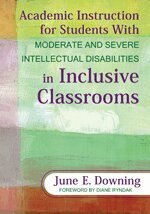
    Academic Instruction for Students With Moderate and Severe Intellectual Disabilities in Inclusive Classrooms

    AvJune E. Downing

    Häftad, Engelska, 2010

    656 kr

    Beställningsvara. Skickas inom 3-6 vardagar. Fri frakt över 249 kr.

    Beskrivning

    "A useful resource for all educational teams who plan for students with moderate and severe intellectual disabilities. Downing summarizes current, key research and offers practical applications from her wealth of experience in schools. Readers who are new to planning for students with severe disabilities will find excellent coverage of the basics like systematic instruction, positive behavior support, and collaboration. Professionals with extensive experience will benefit from the new ideas for planning, including specific examples of adapting academic content, considering both family goals and state standards in planning, and using universal design for learning."—Diane M. Browder, Snyder Distinguished Professor of Special EducationUniversity of North Carolina at CharlotteHelp students with significant disabilities succeed in the general education classroom!While most resources for inclusive education focus on teaching students with mild to moderate disabilities, teachers of students with more severe disabilities need specific methods to provide the individualized and systematic instruction necessary to support students in inclusive environments. This unique book meets that need with approaches, information, and ideas for teachers of students with moderate to severe disabilities in general education classrooms. June E. Downing draws from a strong research base to provide practical instructional strategies, plus suggestions based on personal experience. Featuring tables and figures, chapter summaries, photographs, multiple examples, and strategies that address the how-to of instruction, this resource helps general and special education teachers: Adapt their curriculum to meet both individual student needs and state standards for core curriculumWork collaboratively with other teachers Develop assessments that accurately determine student needs Keep track of student progress through data collectionEssential for today′s inclusive classrooms, this guide covers everything teachers need to know to provide individualized instruction and assessment for their students with significant intellectual disabilities.

    Produktinformation

    • Utgivningsdatum:2010-05-05
    • Mått:215 x 279 x 13 mm
    • Vikt:550 g
    • Format:Häftad
    • Språk:Engelska
    • Antal sidor:208
    • Förlag:SAGE Publications Inc
    • ISBN:9781412971423

    Utforska kategorier

    • Specialundervisning inom Psykologi och pedagogik

    Mer om författaren

    June E. Downing is Professor Emerita of Special Education at California State University, Northridge, and prior to that was at the University of Arizona in Tucson, where she did research and prepared teachers to work in the area of moderate, severe, and multiple disabilities. She is a national leader in the field of special education that targets the needs of students with severe disabilities, especially with regard to inclusive education. She has published numerous articles, chapters, monographs, and seven books on students having severe and multiple disabilities. She served for six years on the Executive Board of TASH, an international advocacy organization for individuals with severe disabilities, and was a past president of the California Chapter of this organization—CalTASH as well as AZTASH. She has served as an associate editor of Research and Practices for Persons With Severe Disabilities and currently serves on this board as well as several other professional editorial boards. She is presently serving as an educational consultant, traveling extensively in the United States and abroad to do presentations on various subjects.

    Recensioner i media

    "June Downing has a talent for explaining complex information in easily understood ways using practical examples that reflect exemplary, evidence-based educational practices. This book goes a long way in conceptualizing access to the general education curriculum for students with severe intellectual disabilities and operationalizing it within typical regular class activities. It is a valuable resource for teachers, special educators, parents, and related service providers interested in extending inclusive opportunities for students with severe disabilities."

    Innehållsförteckning

    • Foreword. by Diane Ryndak - Diane RyndakPrefaceAcknowledgmentsAbout the Author1. Teaching Students With Moderate to Severe Intellectual Disabilities in General Education Classrooms: Foundational BeliefsKey ConceptsA Historical Perspective: Where We Came FromThe Present Situation and ChallengeWhat is Inclusive Education?What is Not Inclusive EducationWho Are We Talking About?Summary2. Instructional Strategies and Teaching ArrangementsKey ConceptsCharacteristics of Effective Instruction for All StudentsClear ExpectationsAnalyzing Tasks for Improved LearningWhat We Know About Teaching Students with Moderate to Severe Intellectual DisabilitiesThe Importance of Student InterestsComponents of the Teaching TaskPrompting StrategiesConsequences of the BehaviorUsing Sequences of Different Prompts to Teach Students: Shaping BehaviorMaintaining and Generalizing SkillsTeaching Arrangements in General Education ClassroomsSummary3. Determining Student Needs: What to TeachKey ConceptsLimitations of Standardized AssessmentFamily and Child-Based Assessment ProcedureRecord ReviewObservational AssessmentsWhat’s the Class Doing?Interpreting Content StandardsBlending Student/Family Goals with State StandardsIdentifying Learning OpportunitiesWriting IEP Goals and ObjectivesSummary4. Teaching Core Curriculum to Students With Moderate to Severe Intellectual DisabilitiesKey ConceptsThe Critical Need to Adapt Curriculum to Make it MeaningfulIdentifying the BIG Ideas from Core CurriculumDetermining Prompts to Use for a Particular Student and LessonExamples of Students Receiving Direct Instruction Across Grades and Instructional ArrangementsLarge Group InstructionGeneralization of Skills TaughtSummary5. It Takes a Village: Teaching as a Collaborative EffortKey ConceptsThe Expectation of Team CollaborationTeam Members Involved in InstructionCredentialed TeachersCo-TeachingSupporting General Education OwnershipParaprofessionals as TeachersRelated Service ProvidersParent VolunteersPeers as TeachersA Few Cautions When Using PeersThe Need for Information and TrainingEffective Use of Team MembersThe Importance of ConsistencyGeneralization of Skills Across Team MembersSummary6. Keeping Track of Student Progress, by Kathryn D. Peckham-Hardin and June E. DowningKey ConceptsTypes of Data Collection StrategiesLinking Data Collection Methods to the IEP ObjectivesCollecting Data While Teaching in General Education ClassroomsExamples of Collecting Data During Instructional TimesTest Taking by the ClassTraining Paraprofessionals and Others to Take DataThe Need for Alternate AssessmentSummary7. He’s Getting It! Now What? Taking Learning to the Next LevelKey ConceptsInvolving the Student in Planning Next StepsWriting IEP Objectives to Reflect Next StepsUsing Standards and Performance Indicators to Determine Next StepsUsing Task Analyses to Determine Next StepsUsing Life Needs to Determine Next StepsPostsecondary OptionsNext Steps for Nonacademic SkillsSummaryReferencesIndex