• Fri frakt över 249 kr
  • •
  • Snabba leveranser
  • •
  • Billiga böcker
Kundservice

Du är på sajten för privatpersoner.

Företag, bibliotek eller offentlig verksamhet?

Du handlar på classic.bokus.com, där alla dina funktioner finns intakta.
Till classic.bokus.com
Bokus logotyp. Gå till startsidan.
  • Erbjudanden
  • Nyheter
  • Student
  • Topplistor
  • Barn & ungdom
  • Bokus Play
  • E-böcker
  • Pocketböcker
  • Spel & pussel

10% rabatt på allt med kod: NYSTART10 →

Sidfot

Mina sidor

    Hjälp

    • Kundservice
    • Vanliga frågor och svar
    • Frakt och leverans
    • Retur vid ångerrätt
    • Reklamera vara
    • Betalning
    • Köpvillkor
    • Allmänna villkor
    • Information om webbplatsens tillgänglighet

    Om Bokus

    • Om oss
    • Pressrum
    • För studenter
    • För företag
    • För bibliotek och offentlig verksamhet
    • För leverantörer
    • Hållbarhet

    Populärt

    • Aktuella erbjudanden
    • Presentkort
    • Studentlitteratur
    • Nya böcker
    • Topplistor
    • Signerade böcker
    • Engelska böcker

    Inspiration

    • Boktips
    • BookTok
    • Populära bokserier
    • Barnbokskaraktärer
    • Populära författare
    Logotyp för Bokus
    Följ oss på Facebook (extern länk)Följ oss på Instagram (extern länk)Följ oss på YouTube (extern länk)Följ oss på TikTok (extern länk)
    bokus @ CookiesAnpassa cookiesIntegritetspolicyKöpvillkor
    Till Citymail hemsida (extern länk)Till Budbee hemsida (extern länk)Till Postnord hemsida (extern länk)Till Schenker hemsida (extern länk)Till Early Bird hemsida (extern länk)Till Walleys hemsida (extern länk)
    1. Medicin
    2. Klinisk medicin och internmedicin
    3. Hematologi

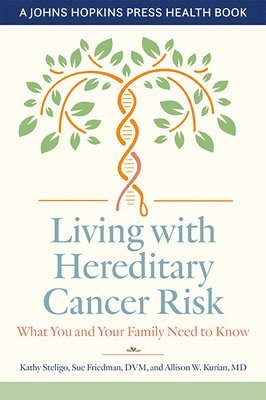
    Living with Hereditary Cancer Risk

    What You and Your Family Need to Know

    AvKathy Steligo,Sue Friedman

    Häftad, Engelska, 2022

    Del i serien A Johns Hopkins Press Health Book

    278 kr

    Beställningsvara. Skickas inom 5-8 vardagar. Fri frakt över 249 kr.

    Beskrivning

    The most comprehensive guide available on hereditary cancers, from understanding risk, prevention, and genetic counseling and testing to treatment, quality of life, and more.Up to 10 percent of cancers are caused by inherited mutations in specific genes. Finding out that you or your loved ones may be at increased risk of developing cancer because of a genetic mutation raises a lot of questions: Is cancer inevitable? Is there anything I should do differently in my life? Will my children also be at higher risk of cancer? Should I have preemptive treatments or surgery? This comprehensive guide provides answers to these questions and more. Written by three passionate patient advocates, this book is a compilation of the trusted information and support provided for more than two decades by Facing Our Risk of Cancer Empowered (FORCE), the de facto voice of the hereditary cancer community. Combining the latest scientific research with national guidelines, expert advice, and compelling patient stories, the book offers previvors (those who have a mutation but have never been diagnosed), survivors, and their families the guidance they need to face the unique physical and emotional challenges of living in a high-risk body.An ideal resource for genetic counselors, physicians, nurses, advocates, and others who support and care for the hereditary cancer community, Living with Hereditary Cancer Risk also provides coverage of • signs of inherited cancer risk in a family;• the value of genetic counseling and testing;• mutations in BRCA, Lynch Syndrome, and other genes that elevate cancer risk; • risk-reducing strategies; • traditional treatments and newer personalized approaches, including immunotherapies and PARP inhibitors; • nationally recommended guidelines for prevention, early detection, and treatment; • insurance coverage and discrimination protections; and• coping with sexual health, fertility, menopause, and other quality of life issues.

    Produktinformation

    • Utgivningsdatum:2022-11-22
    • Mått:156 x 235 x 29 mm
    • Vikt:816 g
    • Format:Häftad
    • Språk:Engelska
    • Serie:A Johns Hopkins Press Health Book
    • Antal sidor:496
    • Förlag:Johns Hopkins University Press
    • Medarbetare:MatthewBoland Yurgelun
    • ISBN:9781421444260

    Utforska kategorier

    • Hematologi inom Medicin
    • Sjukdomar och rubbningar inom Medicin
    • Medicinsk genetik inom Medicin

    Mer om författaren

    Kathy Steligo (SAN CARLOS, CA) is the author of The Breast Reconstruction Guidebook and the coauthor of Confronting Chronic Pain and The Breast Cancer Book. She is a two-time breast cancer survivor. Sue Friedman, DVM (GULFPORT, FL), the founder and executive director of Facing Our Risk of Cancer Empowered (FORCE), is a breast cancer survivor with a BRCA2 mutation. Allison W. Kurian, MD, MSc (STANFORD, CA) is a clinical oncologist and the director of the Stanford Women's Clinical Cancer Genetics Program.

    Innehållsförteckning

    • List of TablesForeword, by Matthew Boland Yurgelun, MDIntroductionPart I. Understanding Cancer and Inherited Risk1. The Link between Genetics and CancerThe Basics of GeneticsGene Wear and Tear and Repair How Cancers Develop and Grow Most Cancers Aren't Caused by Inherited Mutations2. What's Swimming in Your Gene Pool?Hidden Risk in the Family TreePlotting Your Genetic Pedigree3. Signs of Hereditary CancerThe Value of Genetic Counseling Making Decisions about Testing Insurance CoveragePrivacy and Protection4. What Your Test Results Tell YouPositive, Negative, Maybe Making Sense of StatisticsYou Have a Mutation; Now What?Part II. Inherited Gene Mutations and the Cancers They Cause5. Introducing BRCA1 and BRCA2Who Inherits a BRCA Mutation?Signs of a BRCA MutationLevels of Risk6. Lynch Syndrome: Five Genes, One Hereditary SyndromeSigns of Lynch Syndrome in FamiliesLevels of Risk7. Other Genes That Are Linked to Inherited Cancer RiskLess Known, Less Studied Genes8. Breast Cancer BasicsSigns and SymptomsWhat Affects Breast Cancer Risk?Types of Breast Cancer9. Gynecologic CancersOvarian, Fallopian Tube, and Primary Peritoneal CancersEndometrial Cancers10. Gastrointestinal CancersColorectal CancerSmall Bowel CancerPancreatic CancerStomach CancerAnal Cancer11. Genitourinary CancersProstate CancerBladder, Ureter, and Renal Pelvis Cancers12. MelanomaMelanoma of the SkinOcular MelanomaPart III. Strategies for Risk Reduction and Early Detection13. Risk Management GuidelinesGuidelines for BRCA1 or BRCA2 Gene MutationsGuidelines for Lynch Syndrome Gene MutationsGuidelines for Mutations in Other Genes14. Early Detection Strategies for High-Risk PeopleThe Vocabulary of ScreeningSurveillance for Breast CancerSurveillance for Gynecologic CancersSurveillance for Gastrointestinal CancersSurveillance for Prostate and Other Genitourinary Cancers Surveillance for MelanomaScreening for Other Hereditary Cancers15. Medications That Reduce Cancer RiskRisk-Reducing Medications for Breast CancerRisk-Reducing Medications for Gynecologic CancersRisk-Reducing Medications for Colorectal Cancers16. Surgeries That Reduce Breast Cancer RiskMastectomy ProceduresBreast Reconstruction ChoicesSide Effects, Risks, and Recovery17. Surgeries That Reduce the Risk of Gynecologic CancersSalpingo-Oophorectomy to Reduce the Risk of Ovarian CancerHysterectomy to Reduce the Risk of Endometrial Cancer18. Surgeries That Reduce the Risk of Gastrointestinal CancersTotal and Segmental Colectomy to Reduce the Risk of Colon CancerTotal Gastrectomy to Reduce the Risk of Stomach Cancer19. Factors That Affect Cancer RiskNutrition, Weight, and Physical Activity Alcohol: An Unwise ChoiceSmoking and Tobacco ProductsOther Lifestyle and Behavioral Risk FactorsPart IV. Treatment Choices for Hereditary Cancers20. Identifying Tumor Characteristics That Inform Treatment ChoicesStaging and Grading CancerTargeted Approaches to TreatmentDNA Damage Repair Genes21. Treating Breast CancerCancer Type, Subtype, and StageBiomarker TestingGenetic TestingOptions for TreatmentFollow-Up Care22. Treating Gynecologic CancersOptions for Ovarian, Fallopian Tube, and Primary Peritoneal CancersOptions for Endometrial Cancer23. Treating Gastrointestinal CancersOptions for Colorectal CancerOptions for Pancreatic CancerOptions for Gastric Cancer24. Treating Genitourinary CancersOptions for Prostate CancerOptions for Bladder, Renal Pelvis, and Ureter Cancers25. Treating Melanoma Options for Melanoma in the SkinOptions for Ocular MelanomaPart V. Living with Inherited High Risk26. Regaining Sexual Health and IntimacyBody ImageCoping with PainReduced Sexual DesireErectile DysfunctionRebuilding Intimacy27. Effects of Prevention and Treatment on FertilityPreserving Fertility in WomenPreserving Fertility in MenOther Parenting Alternatives28. Managing MenopauseSymptoms of Early MenopauseReplacement HormonesLong-Term Side Effects29. Side Effects and Other Quality-of-Life IssuesSummarizing Side Effects by TreatmentManaging Immediate Side EffectsLong-Term Effects of Prevention and TreatmentPrevivorship, Survivorship, and Follow-Up CareEnd-of-Life Issues30. Making Difficult Decisions Start at the Beginning: Should You Be Tested?Decisions about Your Cancer RiskDecisions about TreatmentPrevention and Treatment Clinical TrialsDecision-Making in 15 Steps31. You Are Not AloneCreate a Support SystemFind Emotional StrengthPursue Financial ResourcesLook to the HorizonAcknowledgmentsGlossaryNotesResourcesIndex