• Fri frakt över 249 kr
  • •
  • Snabba leveranser
  • •
  • Billiga böcker
Kundservice

Du är på sajten för privatpersoner.

Företag, bibliotek eller offentlig verksamhet?

Du handlar på classic.bokus.com, där alla dina funktioner finns intakta.
Till classic.bokus.com
Bokus logotyp. Gå till startsidan.
  • Erbjudanden
  • Student
  • Topplistor
  • Barn & ungdom
  • Bokus Play
  • E-böcker
  • Ljudböcker
  • Pocketböcker
  • Spel och pussel

5% studentrabatt – använd koden KURSBOK27 →

Sidfot

Mina sidor

    Hjälp

    • Kundservice
    • Vanliga frågor och svar
    • Frakt och leverans
    • Retur vid ångerrätt
    • Reklamera vara
    • Betalning
    • Köpvillkor
    • Allmänna villkor
    • Information om webbplatsens tillgänglighet

    Om Bokus

    • Om oss
    • Pressrum
    • För studenter
    • För företag
    • För bibliotek och offentlig verksamhet
    • För leverantörer
    • Hållbarhet

    Populärt

    • Aktuella erbjudanden
    • Presentkort
    • Studentlitteratur
    • Nya böcker
    • Topplistor
    • Signerade böcker
    • Engelska böcker

    Inspiration

    • Boktips
    • BookTok
    • Barnbokskaraktärer
    • Populära författare
    Logotyp för Bokus
    Följ oss på Facebook (extern länk)Följ oss på Instagram (extern länk)Följ oss på YouTube (extern länk)Följ oss på TikTok (extern länk)
    bokus @ CookiesAnpassa cookiesIntegritetspolicyKöpvillkor
    Till Citymail hemsida (extern länk)Till Budbee hemsida (extern länk)Till Postnord hemsida (extern länk)Till Schenker hemsida (extern länk)Till Early Bird hemsida (extern länk)Till Walleys hemsida (extern länk)
    1. Samhälle och politik
    2. Politik och statsskick
    3. Centralt styre och förvaltning

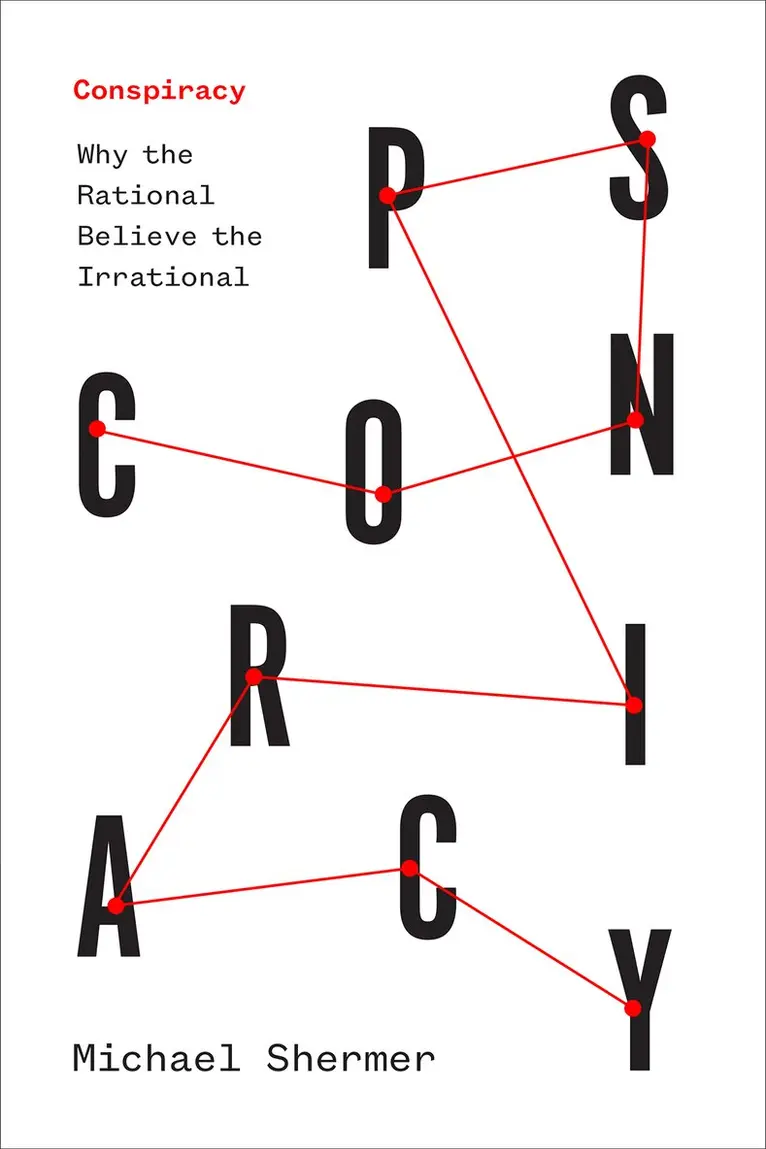
    Conspiracy

    Why the Rational Believe the Irrational

    AvMichael Shermer

    Inbunden, Engelska, 2022

    309 kr

    Beställningsvara. Skickas inom 5-8 vardagar. Fri frakt över 249 kr.

    Fler format och utgåvor

    Häftad

    245 kr

    Beskrivning

    "A well-written and essential tool for those navigating today's complicated geopolitical landscape."—Library Journal Best-selling author Michael Shermer presents an overarching theory of conspiracy theories—who believes them and why, which ones are real, and what we should do about them.Nothing happens by accident, everything is connected, and there are no coincidences: that is the essence of conspiratorial thinking. Long a fringe part of the American political landscape, conspiracy theories are now mainstream: 147 members of Congress voted in favor of objections to the 2020 presidential election based on an unproven theory about a rigged electoral process promoted by the mysterious group QAnon. But this is only the latest example in a long history of ideas that include the satanic panics of the 1980s, the New World Order and Vatican conspiracy theories, fears about fluoridated water, speculations about President John F. Kennedy's assassination, and the notions that the Sandy Hook massacre was a false-flag operation and 9/11 was an inside job. In Conspiracy, Michael Shermer presents an overarching review of conspiracy theories—who believes them and why, which ones are real, and what we should do about them. Trust in conspiracy theories, he writes, cuts across gender, age, race, income, education level, occupational status—and even political affiliation. One reason that people believe these conspiracies, Shermer argues, is that enough of them are real that we should be constructively conspiratorial: elections have been rigged (LBJ's 1948 Senate race); medical professionals have intentionally harmed patients in their care (Tuskegee); your government does lie to you (Watergate, Iran-Contra, and Afghanistan); and, tragically, some adults do conspire to sexually abuse children. But Shermer reveals that other factors are also in play: anxiety and a sense of loss of control play a role in conspiratorial cognition patterns, as do certain personality traits. This engaging book will be an important read for anyone concerned about the future direction of American politics, as well as anyone who's watched friends or family fall into patterns of conspiratorial thinking.

    Produktinformation

    • Utgivningsdatum:2022-10-25
    • Mått:152 x 229 x 31 mm
    • Vikt:703 g
    • Format:Inbunden
    • Språk:Engelska
    • Antal sidor:376
    • Förlag:Johns Hopkins University Press
    • ISBN:9781421444451

    Utforska kategorier

    • Centralt styre och förvaltning inom Samhälle och politik
    • Sociala och etiska frågor inom Samhälle och politik

    Mer om författaren

    Michael Shermer (SANTA BARBARA, CA) is the publisher of Skeptic magazine, a Presidential Fellow at Chapman University, the host of the popular podcast The Michael Shermer Show, and the Skeptic Substack weekly columnist. He is the author of many New York Times–bestselling books, including Why People Believe Weird Things: Pseudoscience, Superstition, and Other Confusions of Our Time, The Believing Brain: From Ghosts and Gods to Politics and Conspiracies—How We Construct Beliefs and Reinforce Them as Truths, and The Moral Arc: How Science Makes Us Better People.

    Recensioner i media

    Conspiracies succeed thanks to repetition, and Shermer's numerous examples prove how entrenched these beliefs are within contemporary American culture. The book includes solid tips on how to assess a conspiracy theory's veracity, how to talk to conspiracists, and how to restore trust and truth in national conversations....A well-written and essential tool for those navigating today's complicated geopolitical landscape.—Library Journal (starred review)

    Innehållsförteckning

    • ApologiaPrologue. The Conspiracy Effect: Why Smart People Believe Blatantly Wrong Things for Apparently Rational ReasonsPart I. Why People Believe Conspiracy TheoriesChapter 1. Conspiracies and Conspiracy Theories: The Difference in Thinking and the Difference It MakesChapter 2. A Brief History of Conspiracy Theories and Conspiracists: Toward a Science of ConspiracismChapter 3. Proxy and Tribal Conspiracism: How Conspiratorial Beliefs Are Reinforced as Truths Chapter 4. Constructive Conspiracism: Paranoia, Pessimism, and the Evolutionary Origins of Conspiracy CognitionChapter 5. A Case Study in Conspiracism: The Sovereign Citizens Conspiracy TheoryPart II. How to Determine Which Conspiracy Theories Are RealChapter 6. The Conspiracy Detection Kit: How to Tell If a Conspiracy Theory Is True or FalseChapter 7. Truthers and Birthers: The 9/11 and Obama Conspiracy TheoriesChapter 8. JFK Blown Away: The Mother of All Conspiracy TheoriesChapter 9. Real Conspiracies: What If They Really Are Out to Get You?Chapter 10. The Deadliest Conspiracy in History: The Trigger of World War I and How Conspiracies Really WorkChapter 11. Real and Imagined Enemies: Conspiracies in Reality and in Our ImaginationsPart III. Talking to Conspiracists and Rebuilding Trust in TruthChapter 12. How to Talk to Conspiracy Theorists: Engaging with People with Whom We DisagreeChapter 13. How to Rebuild Trust in Truth: Reason, Rationality, and Empiricism in Reality-Based CommunitiesCoda. What People Believe About Conspiracy Theories and Why: Results of the Skeptic Research Center SurveyAcknowledgmentsNotesIndex