• Fri frakt över 249 kr
  • •
  • Snabba leveranser
  • •
  • Billiga böcker
Kundservice

Du är på sajten för privatpersoner.

Företag, bibliotek eller offentlig verksamhet?

Du handlar på classic.bokus.com, där alla dina funktioner finns intakta.
Till classic.bokus.com
Bokus logotyp. Gå till startsidan.
  • Erbjudanden
  • Nyheter
  • Student
  • Topplistor
  • Barn & ungdom
  • Bokus Play
  • E-böcker
  • Pocketböcker
  • Spel & pussel

10% rabatt på allt med kod: NYSTART10 →

Sidfot

Mina sidor

    Hjälp

    • Kundservice
    • Vanliga frågor och svar
    • Frakt och leverans
    • Retur vid ångerrätt
    • Reklamera vara
    • Betalning
    • Köpvillkor
    • Allmänna villkor
    • Information om webbplatsens tillgänglighet

    Om Bokus

    • Om oss
    • Pressrum
    • För studenter
    • För företag
    • För bibliotek och offentlig verksamhet
    • För leverantörer
    • Hållbarhet

    Populärt

    • Aktuella erbjudanden
    • Presentkort
    • Studentlitteratur
    • Nya böcker
    • Topplistor
    • Signerade böcker
    • Engelska böcker

    Inspiration

    • Boktips
    • BookTok
    • Populära bokserier
    • Barnbokskaraktärer
    • Populära författare
    Logotyp för Bokus
    Följ oss på Facebook (extern länk)Följ oss på Instagram (extern länk)Följ oss på YouTube (extern länk)Följ oss på TikTok (extern länk)
    bokus @ CookiesAnpassa cookiesIntegritetspolicyKöpvillkor
    Till Citymail hemsida (extern länk)Till Budbee hemsida (extern länk)Till Postnord hemsida (extern länk)Till Schenker hemsida (extern länk)Till Early Bird hemsida (extern länk)Till Walleys hemsida (extern länk)
    1. Samhälle och politik
    2. Samhälle och kultur
    3. Kultur och medier
    4. Referensverk och tvärvetenskap

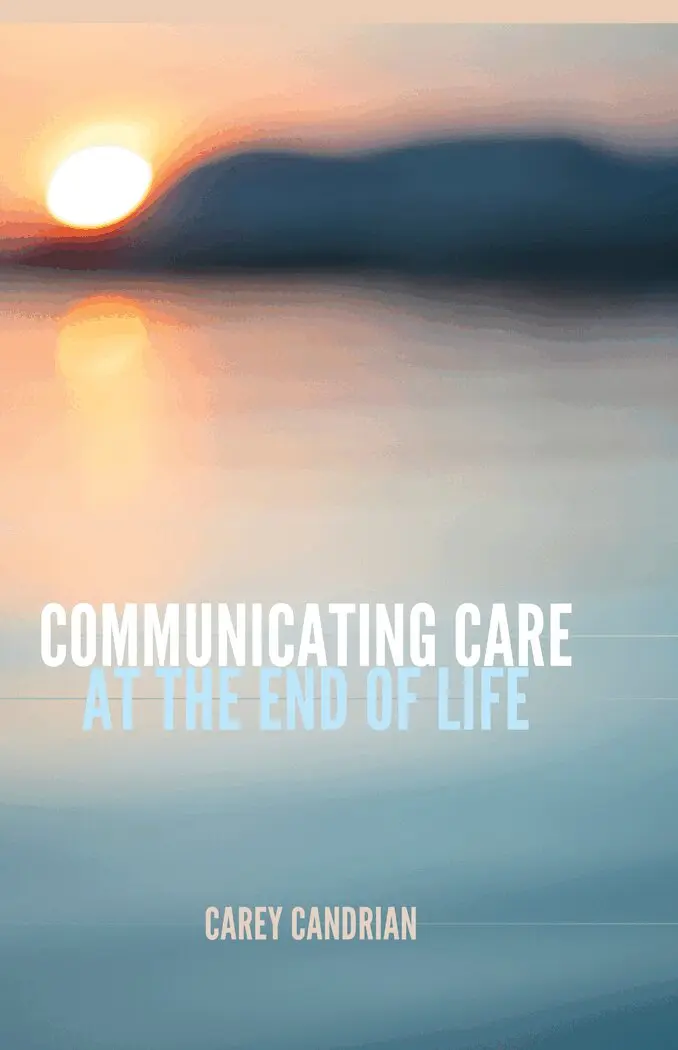
    Communicating Care at the End of Life

    AvCarey Candrian,Gary L. Kreps

    Inbunden, Engelska, 2014

    Del 11 i serien Health Communication

    711 kr

    Tillfälligt slut

    Beskrivning

    While health care at the end of life is changing, the language for talking about treatment options and patient preferences around the end of life is taking longer to change. This book carefully details the way language shapes decisions around end-of-life care. Using ethnographic research from two sites that offer emergency care and end-of-life care – a hospice and an emergency department – the author illustrates common themes around language use that serve as microcosms of the larger healthcare system in the United States. The sites have different purposes for providing care, yet the themes from both serve as guidance and reflection for other areas of caregiving. The language used to talk about death holds consequences and opportunities for understanding and making decisions about care practices. This book uses personal stories and perspectives from patients, family members, and medical workers to paint a picture of some of the issues and tensions individuals and caregivers face. With an aging population – one that represents a major public health challenge in the twenty-first century – Carey Candrian argues that examining the care we provide for individuals, especially aging individuals, is fundamental to creating a developed, ethical, and engaged society.

    Produktinformation

    • Utgivningsdatum:2014-11-24
    • Mått:155 x 230 x 13 mm
    • Vikt:330 g
    • Format:Inbunden
    • Språk:Engelska
    • Serie:Health Communication
    • Antal sidor:144
    • Förlag:Peter Lang Publishing Inc
    • ISBN:9781433127144

    Utforska kategorier

    • Referensverk och tvärvetenskap inom Samhälle och politik
    • Språkvetenskap och lingvistik inom Språk och ordböcker
    • Skrivande och redigering inom Språk och ordböcker

    Mer om författaren

    Carey Candrian (PhD, University of Colorado) is an assistant professor at the University of Colorado School of Medicine. Her work has appeared in An Integrated Approach to Communication Theory and Research (2009), Journal of Internal Medicine, Human Relations, Health Communication, and Sage Cases in Methodology.

    Innehållsförteckning

    • Contents: Dying in the 21st Century – The Cost of Understanding – The Many Ways We Use Language – Some Theories for Making Sense of Communication and Dying – The Complexity of Death at Hospice – The Messiness of Death in the Emergency Department – The Concealing and Revealing Nature of Language – Conclusions, Implications, and Reflections.