• Fri frakt över 249 kr
  • •
  • Snabba leveranser
  • •
  • Billiga böcker
Kundservice

Du är på sajten för privatpersoner.

Företag, bibliotek eller offentlig verksamhet?

Du handlar på classic.bokus.com, där alla dina funktioner finns intakta.
Till classic.bokus.com
Bokus logotyp. Gå till startsidan.
  • Erbjudanden
  • Nyheter
  • Student
  • Topplistor
  • Barn & ungdom
  • Bokus Play
  • E-böcker
  • Pocketböcker
  • Spel & pussel

10% rabatt på allt med kod NYSTART10 →

Sidfot

Mina sidor

    Hjälp

    • Kundservice
    • Vanliga frågor och svar
    • Frakt och leverans
    • Retur vid ångerrätt
    • Reklamera vara
    • Betalning
    • Köpvillkor
    • Allmänna villkor
    • Information om webbplatsens tillgänglighet

    Om Bokus

    • Om oss
    • Pressrum
    • För studenter
    • För företag
    • För bibliotek och offentlig verksamhet
    • För leverantörer
    • Hållbarhet

    Populärt

    • Aktuella erbjudanden
    • Presentkort
    • Studentlitteratur
    • Nya böcker
    • Topplistor
    • Signerade böcker
    • Engelska böcker

    Inspiration

    • Boktips
    • BookTok
    • Populära bokserier
    • Barnbokskaraktärer
    • Populära författare
    Logotyp för Bokus
    Följ oss på Facebook (extern länk)Följ oss på Instagram (extern länk)Följ oss på YouTube (extern länk)Följ oss på TikTok (extern länk)
    bokus @ CookiesAnpassa cookiesIntegritetspolicyKöpvillkor
    Till Citymail hemsida (extern länk)Till Budbee hemsida (extern länk)Till Postnord hemsida (extern länk)Till Schenker hemsida (extern länk)Till Early Bird hemsida (extern länk)Till Walleys hemsida (extern länk)
    1. Medicin
    2. Andra medicinska specialiteter
    3. Klinisk psykologi
    4. Psykoterapi som behandlingsmetod

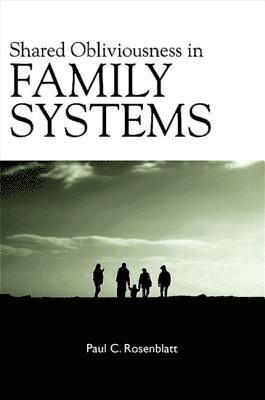
    Shared Obliviousness in Family Systems

    AvPaul C. Rosenblatt

    Inbunden, Engelska, 2009

    1 111 kr

    Tillfälligt slut

    Fler format och utgåvor

    Häftad

    Tillf. slut

    Beskrivning

    Introduces the concept of obliviousness to the consideration of family systems—what do families choose to ignore and why and how they do so.The modern family is inundated with information and no family can attend to it all; families must set priorities and remain oblivious to much. Obliviousness is the intriguing subject of Paul C. Rosenblatt's speculative and theoretical work. The hidden undersides of what families are aware of, know, and talk about are vast and complex, maintained at times with great effort, linked to important matters in the family and in society, necessary for family functioning but also, at times, a source of great difficulty. How are areas of obliviousness built up and maintained? How does a family overcome obliviousness that creates difficulty? Drawing on work in family systems, family therapy, whiteness and privilege, and social construction, among other research, this book is enlightening for all who work with, study, and care about the family.

    Produktinformation

    • Utgivningsdatum:2009-07-09
    • Mått:152 x 229 x 18 mm
    • Vikt:386 g
    • Format:Inbunden
    • Språk:Engelska
    • Antal sidor:197
    • Förlag:State University of New York Press
    • ISBN:9781438427317

    Utforska kategorier

    • Psykoterapi som behandlingsmetod inom Medicin

    Mer om författaren

    Paul C. Rosenblatt is Morse-Alumni Distinguished Teaching Professor of Family Social Science at the University of Minnesota, Twin Cities. He is the author of many books, including Two in a Bed: The Social System of Couple Bed Sharing, also published by SUNY Press; African American Grief (with Beverly R. Wallace); and Help Your Marriage Survive the Death of a Child.

    Recensioner i media

    "…Rosenblatt breaks new ground by introducing shared family obliviousness theory and providing examples of how the theory works and helps families maintain their lives in view of the pressures of daily information that inundates them from a multitude of sources—adding a new dimension for working with families." — Journal of Contemporary Social Services"…an intriguing addition to the literature on family-systems theory, a work that builds on a rich history of family-systems research." — CHOICE"This work pertains to family information management, focusing on what is not said rather than what is. In a highly readable fashion, Rosenblatt makes us more aware of the many ways in which we avoid talking about certain topics in our families and elsewhere. He takes a systems approach to the family and clarifies mechanisms that render some topics unspeakable." — Dudley D. Cahn, editor of Family Violence: Communication Processes

    Innehållsförteckning

    • PrefaceAcknowledgments1. Shared Obliviousness as a Family Systems Phenomenon2. Family System Mechanisms for Maintaining Shared Obliviousness3. Family Obliviousness to Context4. Obliviousness to Matters within the Family5. Shared Obliviousness and Family Decisions6. Family System Responses to Threats to Obliviousness7. Obliviousness and Family Therapy8. Researching Shared Family Obliviousness9. Shared Obliviousness Th at Is Not Quite Shared or Oblivious10. The Future of Shared Family ObliviousnessReferencesIndex