• Fri frakt över 249 kr
  • •
  • Snabba leveranser
  • •
  • Billiga böcker
Kundservice

Du är på sajten för privatpersoner.

Företag, bibliotek eller offentlig verksamhet?

Du handlar på classic.bokus.com, där alla dina funktioner finns intakta.
Till classic.bokus.com
Bokus logotyp. Gå till startsidan.
  • Erbjudanden
  • Nyheter
  • Student
  • Topplistor
  • Barn & ungdom
  • Bokus Play
  • E-böcker
  • Pocketböcker
  • Spel & pussel

10% rabatt på allt med kod: NYSTART10 →

Sidfot

Mina sidor

    Hjälp

    • Kundservice
    • Vanliga frågor och svar
    • Frakt och leverans
    • Retur vid ångerrätt
    • Reklamera vara
    • Betalning
    • Köpvillkor
    • Allmänna villkor
    • Information om webbplatsens tillgänglighet

    Om Bokus

    • Om oss
    • Pressrum
    • För studenter
    • För företag
    • För bibliotek och offentlig verksamhet
    • För leverantörer
    • Hållbarhet

    Populärt

    • Aktuella erbjudanden
    • Presentkort
    • Studentlitteratur
    • Nya böcker
    • Topplistor
    • Signerade böcker
    • Engelska böcker

    Inspiration

    • Boktips
    • BookTok
    • Populära bokserier
    • Barnbokskaraktärer
    • Populära författare
    Logotyp för Bokus
    Följ oss på Facebook (extern länk)Följ oss på Instagram (extern länk)Följ oss på YouTube (extern länk)Följ oss på TikTok (extern länk)
    bokus @ CookiesAnpassa cookiesIntegritetspolicyKöpvillkor
    Till Citymail hemsida (extern länk)Till Budbee hemsida (extern länk)Till Postnord hemsida (extern länk)Till Schenker hemsida (extern länk)Till Early Bird hemsida (extern länk)Till Walleys hemsida (extern länk)
    1. Kultur
    2. Scenkonst och film
    3. Film

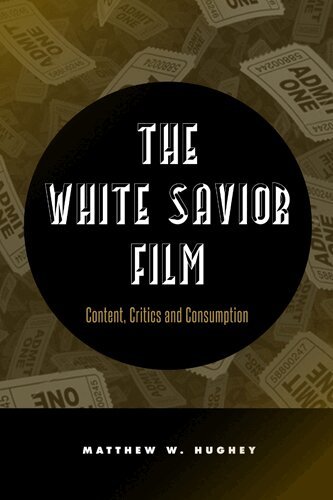
    White Savior Film

    Content, Critics, and Consumption

    AvMatthew Hughey

    Häftad, Engelska, 2014

    356 kr

    Beställningsvara. Skickas inom 5-8 vardagar. Fri frakt över 249 kr.

    Fler format och utgåvor

    Inbunden

    1 068 kr

    Beskrivning

    The cinematic trope of the white savior film-think of Sandra Bullock in The Blind Side, Kevin Costner in Dances with Wolves, or Tom Cruise in The Last Samurai--features messianic characters in unfamiliar or hostile settings discovering something about themselves and their culture in the process of saving members of other races from terrible fates.  In The White Savior Film, Matthew Hughey provides a cogent, multipronged analysis of this subgenre of films to investigate the underpinnings of the Hollywood-constructed images of idealized (and often idealistic) white Americans.  Hughey considers the production, distribution, and consumption of white savior films to show how the dominant messages of sacrifice, suffering, and redemption are perceived by both critics and audiences. Examining the content of fifty films, nearly 3,000 reviews, and interviews with viewer focus groups, he accounts for the popularity of this subgenre and its portrayal of "racial progress."  The White Savior Film shows how we as a society create and understand these films and how they reflect the political and cultural contexts of their time.

    Produktinformation

    • Utgivningsdatum:2014-04-14
    • Mått:152 x 229 x 18 mm
    • Vikt:340 g
    • Format:Häftad
    • Språk:Engelska
    • Antal sidor:230
    • Förlag:Temple University Press,U.S.
    • ISBN:9781439910016

    Utforska kategorier

    • Film inom Kultur

    Mer om författaren

    Matthew W. Hughey is an Associate Professor of Sociology at the University of Connecticut. He is the author or co-author of seven books, including White Bound: Nationalists, Antiracists, and the Shared Meanings of Race.

    Recensioner i media

    "Since the 1980s, Hollywood has released a spate of so-called 'white savior' films, in which heroic white protagonists liberate persons of color from dangerous and decayed environments... Hughey provides a systematic study of the messages these films convey, as well as how film reviewers and audiences receive them... The author's analysis is sound, and he ultimately offers a convincing critique of how these movies seek to maintain the racial status quo. VERDICT: Scholars of film, sociology, and cultural studies will find this book particularly illuminating." - Library Journal