• Fri frakt över 249 kr
  • •
  • Snabba leveranser
  • •
  • Billiga böcker
Kundservice

Du är på sajten för privatpersoner.

Företag, bibliotek eller offentlig verksamhet?

Du handlar på classic.bokus.com, där alla dina funktioner finns intakta.
Till classic.bokus.com
Bokus logotyp. Gå till startsidan.
  • Erbjudanden
  • Nyheter
  • Student
  • Topplistor
  • Barn & ungdom
  • Bokus Play
  • E-böcker
  • Pocketböcker
  • Spel & pussel

Må bättre, för mindre! Upp till 50% rabatt på hälsoböcker

Sidfot

Mina sidor

    Hjälp

    • Kundservice
    • Vanliga frågor och svar
    • Frakt och leverans
    • Retur vid ångerrätt
    • Reklamera vara
    • Betalning
    • Köpvillkor
    • Allmänna villkor
    • Information om webbplatsens tillgänglighet

    Om Bokus

    • Om oss
    • Pressrum
    • För studenter
    • För företag
    • För bibliotek och offentlig verksamhet
    • För leverantörer
    • Hållbarhet

    Populärt

    • Aktuella erbjudanden
    • Presentkort
    • Studentlitteratur
    • Nya böcker
    • Topplistor
    • Signerade böcker
    • Engelska böcker

    Inspiration

    • Boktips
    • BookTok
    • Populära bokserier
    • Barnbokskaraktärer
    • Populära författare
    Logotyp för Bokus
    Följ oss på Facebook (extern länk)Följ oss på Instagram (extern länk)Följ oss på YouTube (extern länk)Följ oss på TikTok (extern länk)
    bokus @ CookiesAnpassa cookiesIntegritetspolicyKöpvillkor
    Till Citymail hemsida (extern länk)Till Budbee hemsida (extern länk)Till Postnord hemsida (extern länk)Till Schenker hemsida (extern länk)Till Early Bird hemsida (extern länk)Till Walleys hemsida (extern länk)
    1. Samhälle och politik
    2. Samhälle och kultur
    3. Kultur och medier
    4. Referensverk och tvärvetenskap

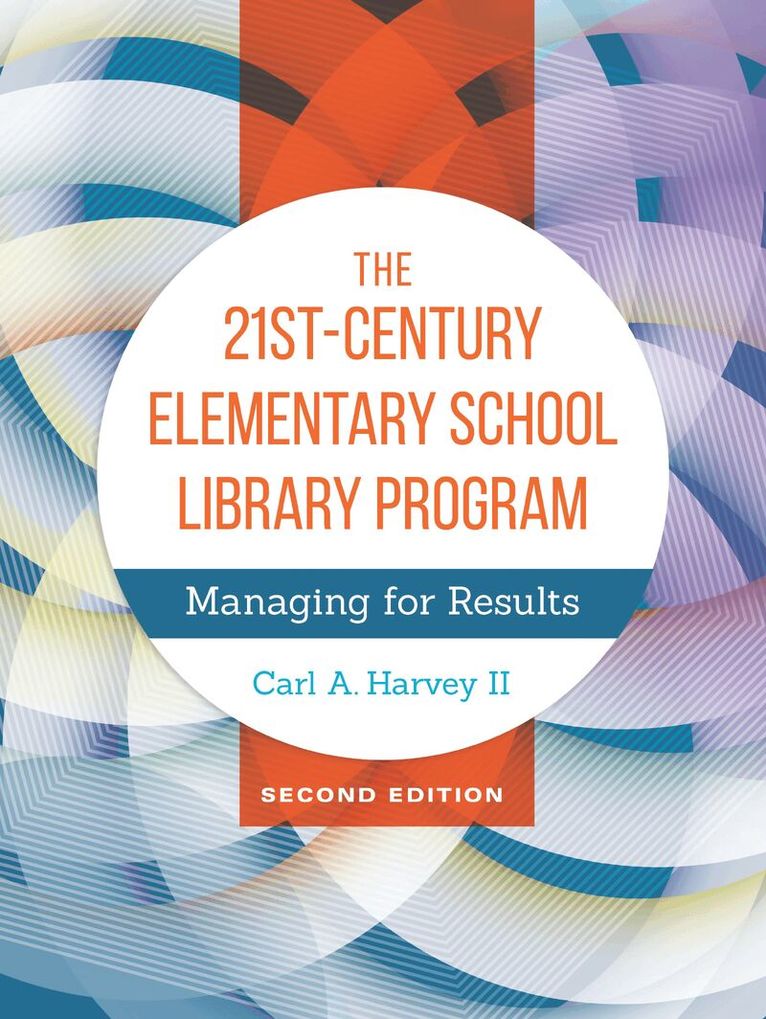
    21st-Century Elementary School Library Program

    Managing for Results

    AvCarl A. Harvey II

    Häftad, Engelska, 2016

    503 kr

    Skickas . Fri frakt över 249 kr.

    Fler format och utgåvor

    E-bok

    587 kr

    E-bok

    587 kr

    Beskrivning

    Compact yet remarkably comprehensive, this book covers all the major aspects of school library services, from administration to instruction focused from the elementary school librarian perspective—now updated and expanded to include the latest developments in makerspaces, the Common Core, social networking, and eBooks.How do you accomplish a technology transformation at a time when budgets are extremely limited? What is the proper location for web-based social networking in the school library? What are the best practices for working together with students, parents, and educators? The 21st-Century Elementary School Library Program: Managing for Results is an invaluable resource for answers to these and many more questions, as it brings together in one volume the advice and insights you need to bring your library into the new century.This invaluable guide provides tips and techniques, forms and templates, and advice on everything from staffing and budgeting to collaborating with teachers and other libraries, to Web 2.0 and other new computer tools for building collections and devising special programs. Whether you are just getting started or are a library veteran seeking effective program renewal, this book belongs on your shelf.

    Produktinformation

    • Utgivningsdatum:2016-12-05
    • Mått:216 x 279 x 7 mm
    • Vikt:567 g
    • Format:Häftad
    • Språk:Engelska
    • Antal sidor:168
    • Upplaga:2
    • Förlag:Bloomsbury Publishing Plc
    • ISBN:9781440842443

    Utforska kategorier

    • Referensverk och tvärvetenskap inom Samhälle och politik

    Mer om författaren

    Carl A. Harvey II is an instructor of school librarianship at Longwood University in Farmville, VA.

    Recensioner i media

    This book can serve almost as a how-to for elementary school libraries. . . . This title would be an excellent addition to professional collections. Recommended.

    Innehållsförteckning

    • FiguresAbout the AuthorIntroductionCHAPTER 1: The Elementary School Library Program—Past, Present, and FutureThe PastThe PresentThe FutureThe VisionWorks CitedFurther ReadingCHAPTER 2: PeopleThe School Librarian Works WithPrincipalsTeachersSchool BoardsStudentsParentsParent VolunteersCommunity MembersSchool LibrariansDistrict AdministratorsInstructional CoachesSupport StaffVolunteersStudent AssistantsSchool Library Advisory CommitteeSetting Up an Advisory CommitteeWorks CitedFurther ReadingCHAPTER 3: CommunicationVehicles of CommunicationFace to FacePrintE-MailsSchool Library WebpageVideoSocial MediaOnline ToolsThe FutureWorks CitedFurther ReadingCHAPTER 4: Curriculum and InstructionStandardsCurriculum DevelopmentAssessmentStandardized TestsCollaborative TeachingGetting Started with CollaborationSustaining CollaborationDocumenting CollaborationBeyond the Core ContentRelated ArtsSpecial EducationEnglish Language Learner (ELL)Instruction OrganizationWorks CitedFurther ReadingCHAPTER 5: ProgrammingCurricular ConnectionsCommunity ConnectionsPublic LibraryPromoting ReadingReader AdvisoryPromotional ActivitiesReading AloudCelebrationsPoliciesYoung Author's CelebrationsStudent Choice State Book Award ProgramsExtracurricular ClubsBook ClubsStudent Assistant ClubMorning AnnouncementsEnrichments and Special ProgramsAuthor VisitsAfter-School ProgramsMakerspacesGamingCodingWork CitedFurther ReadingCHAPTER 6: TechnologyTechnology in Elementary SchoolsLibraries Leading with TechnologyAutomation SystemsDatabasesCollaborative ToolsBest Websites/Best Apps1:1 EnvironmentsSocial NetworksLearning Management Systems (LMS)Technology Policies and ProceduresFiltersCopyright/Creative CommonsWork CitedFurther ReadingCHAPTER 7: Library AdministrationPolicies and ProceduresSchool Library PoliciesSchool Library ProceduresStudent ProceduresStaff Procedures/ProcessesLibrary Staff Procedures/ProcessesSchool Librarian Procedures/ProcessesFacilitiesUseLayoutDesign/Decorations/DisplaysSchedulesCalendar OptionsWorks CitedFurther ReadingCHAPTER 8: Program Assessment and Personnel EvaluationEvaluating the School Library ProgramCollecting DataSurveysAnecdotal ConversationsStatisticsRationale for Data CollectionSharing the ResultsLong-Term PlanningInstructionCollectionsTechnologyPersonnel EvaluationSchool LibrarianLibrary Assistants/ClerksVolunteersStudent WorkersWorks CitedFurther ReadingCHAPTER 9: BudgetLibrary Funding in the 21st CenturyBudgeting in the 21st CenturyBudget ResourcesBudget JustificationMore MoneyGrantsBook FairsPTA/PTOsConsortium PurchasesWorks CitedFurther ReadingCHAPTER 10: CollectionsAccess to InformationTraditional CollectionSelection Procedures/PoliciesOrdering and ProcessingLibrary OrganizationDewey versus Other MethodsDigital CurationDatabases/Online ResourceseBooksPrint versus Digital in Elementary SchoolsBeyond the BooksProfessional CollectionsOther CollectionsLeveled Library ResourcesTextbooksEquipment and/or TechnologyWeedingInterlibrary Loan (ILL)Children's Literature and TechnologyWorks CitedFurther ReadingCHAPTER 11: Advocacy, Public Relations, and MarketingDefining Advocacy, Public Relations, and MarketingAdvocatesBuilding AdvocatesPromotionDesigning PromotionsMarketing PlanLegislation—ESSAResourcesWork CitedFurther ReadingCHAPTER 12: LeadershipSchool LibrarianProfessional OrganizationsProfessional DevelopmentPersonal Learning Networks (PLN)Writing and PresentingBuilding/District LeadershipProfessional DevelopmentCommitteesWorks CitedFurther ReadingAppendix—VendorsIndex