• Fri frakt över 249 kr
  • •
  • Snabba leveranser
  • •
  • Billiga böcker
Kundservice

Du är på sajten för privatpersoner.

Företag, bibliotek eller offentlig verksamhet?

Du handlar på classic.bokus.com, där alla dina funktioner finns intakta.
Till classic.bokus.com
Bokus logotyp. Gå till startsidan.
  • Erbjudanden
  • Nyheter
  • Student
  • Topplistor
  • Barn & ungdom
  • Bokus Play
  • E-böcker
  • Pocketböcker
  • Spel & pussel

10% rabatt på allt med kod NYSTART10 →

Sidfot

Mina sidor

    Hjälp

    • Kundservice
    • Vanliga frågor och svar
    • Frakt och leverans
    • Retur vid ångerrätt
    • Reklamera vara
    • Betalning
    • Köpvillkor
    • Allmänna villkor
    • Information om webbplatsens tillgänglighet

    Om Bokus

    • Om oss
    • Pressrum
    • För studenter
    • För företag
    • För bibliotek och offentlig verksamhet
    • För leverantörer
    • Hållbarhet

    Populärt

    • Aktuella erbjudanden
    • Presentkort
    • Studentlitteratur
    • Nya böcker
    • Topplistor
    • Signerade böcker
    • Engelska böcker

    Inspiration

    • Boktips
    • BookTok
    • Populära bokserier
    • Barnbokskaraktärer
    • Populära författare
    Logotyp för Bokus
    Följ oss på Facebook (extern länk)Följ oss på Instagram (extern länk)Följ oss på YouTube (extern länk)Följ oss på TikTok (extern länk)
    bokus @ CookiesAnpassa cookiesIntegritetspolicyKöpvillkor
    Till Citymail hemsida (extern länk)Till Budbee hemsida (extern länk)Till Postnord hemsida (extern länk)Till Schenker hemsida (extern länk)Till Early Bird hemsida (extern länk)Till Walleys hemsida (extern länk)
    1. Naturvetenskap och teknik
    2. Geovetenskap
    3. Miljövetenskap och miljöpolitik

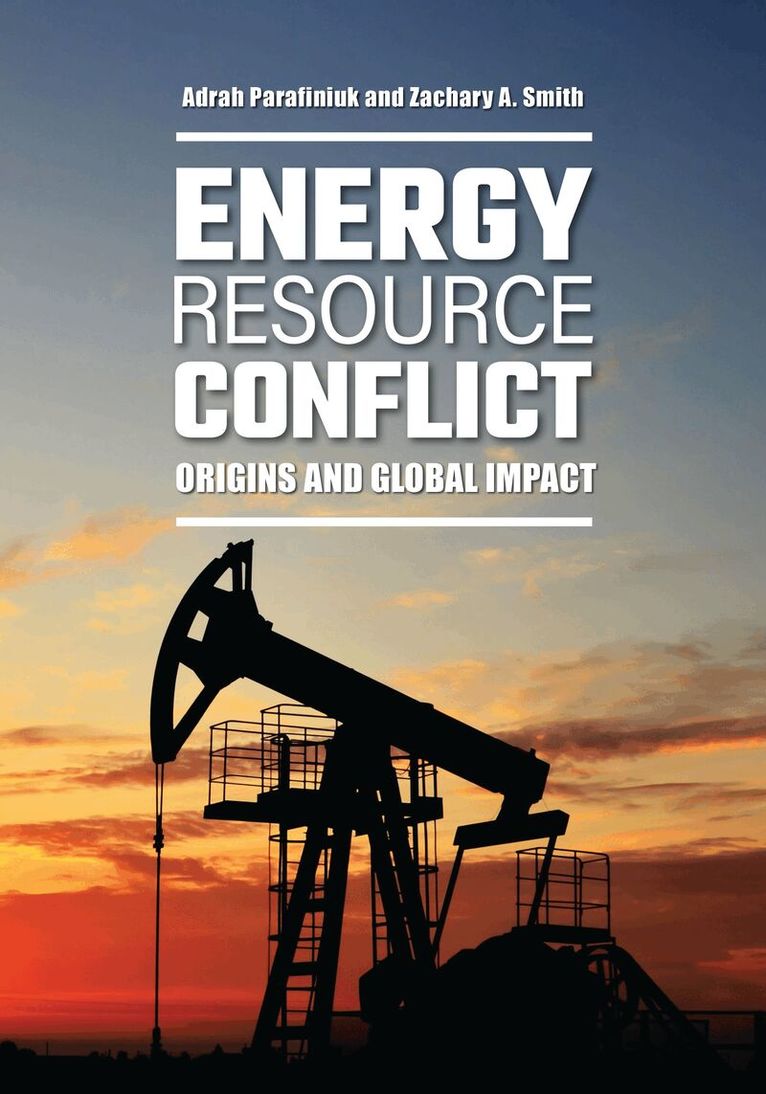
    Energy Resource Conflict

    Origins and Global Impact

    AvAdrah N. Parafiniuk,Zachary A. Smith

    Inbunden, Engelska, 2025

    1 366 kr

    Beställningsvara. Skickas inom 10-15 vardagar. Fri frakt över 249 kr.

    Fler format och utgåvor

    E-bok

    1 477 kr

    E-bok

    1 477 kr

    Beskrivning

    Delve into the history of energy resource conflicts, their present status, and the potential effects of today's energy production decisions on the future of humanity.This book examines international and sometimes intranational conflicts over energy resources, including ancient empires, 20th-century wars over oil, and the explosive growth of renewable energy. The volume begins with a series of chapters tracing the evolution and future implications of energy production and clashes over these vital resources. Next, readers will discover a collection of essays addressing fascinating yet sometimes contentious facets of the subject, including the current limits of renewable energy sources and the role nuclear power should play. A collection of 50 encyclopedic entries round out the book, providing readers with concise explanations of key concepts and terms.Energy resource conflicts have shaped the world we live in. After humans settled across the planet, growing empires began to compete for resources. First, they competed for wood, then steel and coal. The ability to mine these resources and turn them into trains, ships, and weapons decided which countries would dominate the world. Oil became the most important international resource by the turn of the 20th century and has remained so until the present day. But, as the authors argue, humans have the technology to transition from fossil fuels to renewable energy for the vast majority of their energy needs, despite corporate fossil fuel interests. Using advanced statistics on the use and growth of all major energy sources, this book is an excellent source of information on the predicted growth of various forms of energy as well as the inevitable—yet not necessarily peaceful—transition toward renewable and carbon-free energy sources.

    Produktinformation

    • Utgivningsdatum:2025-02-20
    • Mått:178 x 258 x 24 mm
    • Vikt:760 g
    • Format:Inbunden
    • Språk:Engelska
    • Antal sidor:312
    • Förlag:Bloomsbury Publishing PLC
    • ISBN:9781440871801

    Utforska kategorier

    • Miljövetenskap och miljöpolitik inom Naturvetenskap och teknik
    • Industrialismen och industrihistoria inom Historia och arkeologi
    • Internationella relationer inom Samhälle och politik

    Mer om författaren

    Adrah N. Parafiniuk teaches at Northern Arizona University, USA. He is the author of 108 Steps to Fix the Planet: A Guide to a Healthier, Happier, and More Joyous Life (2013). He has published work on energy and green gilding as well as on motivations for sustainable behaviors and pro-environmental behaviors.Zachary A. Smith was Regents' Professor at Northern Arizona University, USA. Smith was widely published, including such works as The Environmental Policy Paradox, 8th Edition (2022), Globalization (2008) (with Justin Ervin) and Protecting Our Environment: Lessons from the European Union (2005) (with Janet R. Hunter).

    Innehållsförteckning

    • IntroductionPart IChapter 1: Origins and CausesOverviewThe History of Energy TypesLocation, Location, Location: Origins of the Oil IndustryChapter 2: Current Impact and LinkagesOverviewModern WarCurrent Geopolitical ConflictLocal ConflictConclusionChapter 3: ResponsesIntroductionInternational ResponsesTechnological ResponsesCarbon StorageIntensive and Expensive GeoengineeringEconomic ChangesIndustry Responses to Climate ChangeNational ResponsesConclusionChapter 4: Future ImplicationsIntroductionConsequences of Little to No Change in Energy Resource UseFuture Energy Projections Based on Current TrendsPossible Major TransitionsTransitioning CountriesChapter 5: Contributed EssaysIntroductionThe Dangers of Corporate Power Concerning Climate Change by Vivian IkeThe Power of Business Corporations to Drive Energy Transformation: The RE100 Case by Haley N. AndersonThe Dirty Future of Coal by Laine Munir Limits of Solar and Wind by Helena SolmanThe Promise of Nuclear Energy by Ayesha SadiqaPart II: A–Z EntriesIntroductionAgricultural RevolutionBiofuelsBiomass EnergyCarbon Capture and Storage (CSS)Carbon FootprintCarbon Offsets Carbon Tax/Carbon Market/Carbon Credits/Cap and TradeCascade EffectClimate Engineering or GeoengineeringCoalCommon Pool ResourcesConcentrated Solar Power (CSP)CO2Crude OilDeepwater DrillingEnhanced Recovery/Hydraulic Fracking/Horizontal DrillingForest ManagementFuel CellsFusionGeothermal EnergyGreenhouse Effect and Greenhouse Gases (GHGs)Green RevolutionHuman DispersalHydrocarbons and Hydrocarbon Gas LiquidsHydroelectric PowerHydrogen EconomyMegafaunaMilankovitch CyclesMineral RightsMolten Salt Reactor (MSR)Natural GasNet ZeroNuclear Fission, Nuclear Fuel, and Nuclear Power PlantsOcean CurrentsPeat Megafires and Coal Seam FiresPetroleumPhotovoltaicsProven ReservesRenewable EnergySteam Power (Steam Engines)SustainabilityTar Sands/Oil SandsTidal EnergyWaste-to-energy (WTE)Wave EnergyWind PowerZero Emissions EnergyAbout the Authors and ContributorsIndex