• Fri frakt över 249 kr
  • •
  • Snabba leveranser
  • •
  • Billiga böcker
Kundservice

Du är på sajten för privatpersoner.

Företag, bibliotek eller offentlig verksamhet?

Du handlar på classic.bokus.com, där alla dina funktioner finns intakta.
Till classic.bokus.com
Bokus logotyp. Gå till startsidan.
  • Erbjudanden
  • Student
  • Topplistor
  • Barn & ungdom
  • Bokus Play
  • E-böcker
  • Ljudböcker
  • Pocketböcker
  • Spel och pussel

Pocketfynda! Hundratals böcker för 49 kr/st →

Sidfot

Mina sidor

    Hjälp

    • Kundservice
    • Vanliga frågor och svar
    • Frakt och leverans
    • Retur vid ångerrätt
    • Reklamera vara
    • Betalning
    • Köpvillkor
    • Allmänna villkor
    • Information om webbplatsens tillgänglighet

    Om Bokus

    • Om oss
    • Pressrum
    • För studenter
    • För företag
    • För bibliotek och offentlig verksamhet
    • För leverantörer
    • Hållbarhet

    Populärt

    • Aktuella erbjudanden
    • Presentkort
    • Studentlitteratur
    • Nya böcker
    • Topplistor
    • Signerade böcker
    • Engelska böcker

    Inspiration

    • Boktips
    • BookTok
    • Barnbokskaraktärer
    • Populära författare
    Logotyp för Bokus
    Följ oss på Facebook (extern länk)Följ oss på Instagram (extern länk)Följ oss på YouTube (extern länk)Följ oss på TikTok (extern länk)
    bokus @ CookiesAnpassa cookiesIntegritetspolicyKöpvillkor
    Till Citymail hemsida (extern länk)Till Budbee hemsida (extern länk)Till Postnord hemsida (extern länk)Till Schenker hemsida (extern länk)Till Early Bird hemsida (extern länk)Till Walleys hemsida (extern länk)
    1. Kultur
    2. Scenkonst och film
    3. Film

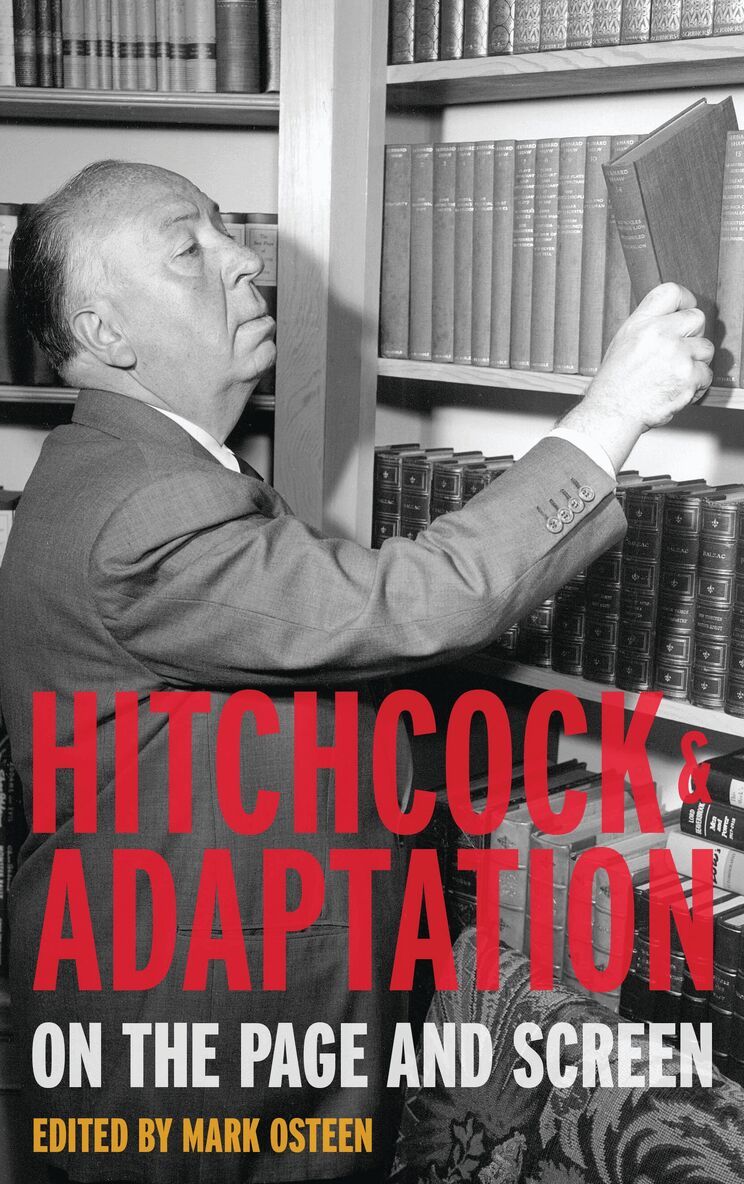
    Hitchcock and Adaptation

    On the Page and Screen

    AvMark Osteen

    Inbunden, Engelska, 2014

    1 034 kr

    Beställningsvara. Skickas inom 10-15 vardagar. Fri frakt över 249 kr.

    Beskrivning

    From early silent features like The Lodger and Easy Virtue to his final film, Family Plot, in 1976, most of Alfred Hitchcock’s movies were adapted from plays, novels, and short stories. Hitchcock always took care to collaborate with those who would not just execute his vision but shape it, and many of the screenwriters he enlisted—including Eliot Stannard, Charles Bennett, John Michael Hayes, and Ernest Lehman—worked with the director more than once. And of course Hitchcock’s wife, Alma Reville, his most constant collaborator, was with him from the 1920s until his death.In Hitchcock and Adaptation: On the Page and Screen, Mark Osteen has assembled a wide-ranging collection of essays that explore how Hitchcock and his screenwriters transformed literary and theatrical source material into masterpieces of cinema. Some of these essays look at adaptations through a specific lens, such as queer aesthetics applied to Rope, Strangers on a Train, and Psycho, while others tackle the issue of Hitchcock as author, auteur, adaptor, and, for the first time, present Hitchcock as a literary source. Film adaptations discussed in this volume include The 39 Steps, Shadow of a Doubt, Lifeboat, Rear Window, Vertigo, Marnie, and Frenzy. Additional essays analyze Hitchcock-inspired works by W. G. Sebald, Don DeLillo, Bret Easton Ellis, and others.These close examinations of Alfred Hitchcock and the creative process illuminate the significance of the material he turned to for inspiration, celebrate the men and women who helped bring his artistic vision from the printed word to the screen, and explore how the director has influenced contemporary writers. A fascinating look into an underexplored aspect of the director’s working methods, Hitchcock and Adaptation will be of interest to film scholars and fans of cinema’s most gifted auteur.

    Produktinformation

    • Utgivningsdatum:2014-03-14
    • Mått:163 x 234 x 30 mm
    • Vikt:649 g
    • Format:Inbunden
    • Språk:Engelska
    • Antal sidor:352
    • Förlag:Bloomsbury Publishing Plc
    • ISBN:9781442230873

    Utforska kategorier

    • Film inom Kultur

    Mer om författaren

    Mark Osteen is chair of the English Department and cofounder of the Film Studies Program at Loyola University Maryland. He has published dozens of articles on film, music, and modern literature and is the author or editor of ten books, including One of Us: A Family’s Life with Autism (2010) and Nightmare Alley: Film Noir and the American Dream (2013).

    Recensioner i media

    Osteen’s collection should certainly interest the Hitchcock scholar (and anyone else that enjoys scholarly essays on film). Casual fans will also find a lot of interesting information. . . .A large percentage of the essays focus on Hitchcock’s film work, and it is here that the book blossoms into life. The essays offer many factual details to support the scholarly analysis, which makes the sometimes overreaching conclusions more digestible to the average reader. These factual details are what will interest many of the director’s fans. . . .If any of this sounds appealing, this book should be worth picking up.

    Innehållsförteckning

    • AcknowledgmentsIntroduction: Hitchcock and Adaptation, Mark OsteenI: Hitchcock and AuthorshipChapter 1: Hitchcock the Author, Thomas M. LeitchChapter 2: Wrong Men on the Run: The 39 Steps as Hitchcock’s Espionage Paradigm, Walter Raubicheck and Walter SrebnickChapter 3: The Role and Presence of Authorship in Suspicion, Patrick FaubertII. Hitchcock AdaptingChapter 4: Melancholy Elephants: Hitchcock and Ingenious Adaptation, Ken MoggChapter 5: Conrad’s The Secret Agent, Hitchcock’s Sabotage, and The Inspiration of “Public Uneasiness,” Matthew Paul CarlsonChapter 6: Stranger(s) Than Fiction: Adaptation, Modernity, and the Menace of Fan Culture in Hitchcock’s Strangers on a Train, Leslie H. AbramsonChapter 7: Reading Hitchcock/Reading Queer: Adaptation, Narrativity, and a Queer Mode of Address in Rope, Strangers on a Train, and Psycho, Heath A. DiehlChapter 8: “Dear Miss Lonelyhearts”: Voyeurism and the Spectacle of Human Suffering in Rear Window, Nicholas Andrew MillerChapter 9: “The Proper Geography”: Hitchcock’s Adaptation of Daphne du Maurier’s “The Birds,” John BrunsChapter 10: From Kaleidoscope to Frenzy: Hitchcock’s Second British Homecoming, Tony WilliamsIII. Hitching a Ride: The CollaborationsChapter 11: Hitchcock’s Diegetic Imagination: Thornton Wilder, Shadow of a Doubt, and Hitchcock’s Mise-en-Scène, Donna KornhaberChapter 12: “The Name of Hitchcock! The Fame of Steinbeck!”—The Legacy of Lifeboat, Maria A. JudnickChapter 13: “What did Alma Think?”:Continuity, Writing, Editing, and Adaptation, Christina Lane and Jo BottingIV. Adapting HitchcockChapter 14: The Second Look, the Second Death: W. G. Sebald’s Orphic Adaptation of Hitchcock’s Vertigo, Russell J. A. KilbournChapter 15: Dark Adaptations: Robert Bloch and Hitchcock on the Small Screen, Dennis R. Perry and Carl H. SederholmChapter 16: Extraordinary Renditions: DeLillo’s Point Omega and Hitchcock’s Psycho, Mark OsteenChapter 17: The Culture of Spectacle in American Psycho, David SeedAlfred Hitchcock FilmographyAbout the ContributorsAbout the Editor