• Fri frakt över 249 kr
  • •
  • Snabba leveranser
  • •
  • Billiga böcker
Kundservice

Du är på sajten för privatpersoner.

Företag, bibliotek eller offentlig verksamhet?

Du handlar på classic.bokus.com, där alla dina funktioner finns intakta.
Till classic.bokus.com
Bokus logotyp. Gå till startsidan.
  • Erbjudanden
  • Nyheter
  • Student
  • Topplistor
  • Barn & ungdom
  • Bokus Play
  • E-böcker
  • Pocketböcker
  • Spel & pussel

10% rabatt på allt med kod NYSTART10 →

Sidfot

Mina sidor

    Hjälp

    • Kundservice
    • Vanliga frågor och svar
    • Frakt och leverans
    • Retur vid ångerrätt
    • Reklamera vara
    • Betalning
    • Köpvillkor
    • Allmänna villkor
    • Information om webbplatsens tillgänglighet

    Om Bokus

    • Om oss
    • Pressrum
    • För studenter
    • För företag
    • För bibliotek och offentlig verksamhet
    • För leverantörer
    • Hållbarhet

    Populärt

    • Aktuella erbjudanden
    • Presentkort
    • Studentlitteratur
    • Nya böcker
    • Topplistor
    • Signerade böcker
    • Engelska böcker

    Inspiration

    • Boktips
    • BookTok
    • Populära bokserier
    • Barnbokskaraktärer
    • Populära författare
    Logotyp för Bokus
    Följ oss på Facebook (extern länk)Följ oss på Instagram (extern länk)Följ oss på YouTube (extern länk)Följ oss på TikTok (extern länk)
    bokus @ CookiesAnpassa cookiesIntegritetspolicyKöpvillkor
    Till Citymail hemsida (extern länk)Till Budbee hemsida (extern länk)Till Postnord hemsida (extern länk)Till Schenker hemsida (extern länk)Till Early Bird hemsida (extern länk)Till Walleys hemsida (extern länk)
    1. Samhälle och politik
    2. Samhälle och kultur
    3. Kultur och medier
    4. Referensverk och tvärvetenskap

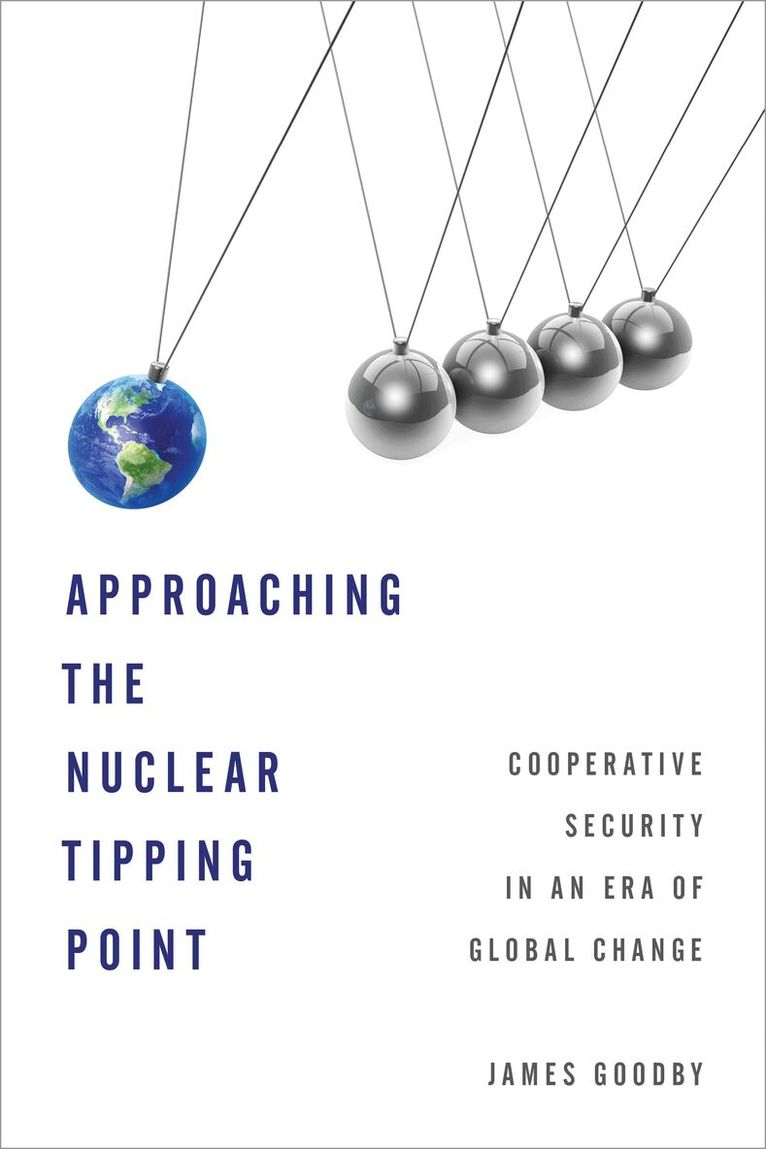
    Approaching the Nuclear Tipping Point

    Cooperative Security in an Era of Global Change

    AvJames E. Goodby

    Häftad, Engelska, 2017

    451 kr

    Beställningsvara. Skickas inom 10-15 vardagar. Fri frakt över 249 kr.

    Fler format och utgåvor

    Inbunden

    1 048 kr

    Beskrivning

    Globalization and technology have created new challenges to national governments. As a result, they now must share power with other entities, such as regional and global organizations or large private economic units. In addition, citizens in most parts of the world have been empowered by the ability to acquire and disseminate information instantly. However this has not led to the type of international cooperation essential to deal with existential threats. Whether governments can find ways to cooperate in the face of looming threats to the survival of human society and our environment has become one of the defining issues of our age. A struggle between renewed nationalism and the rise of a truly global society is underway, but neither global nor regional institutions have acquired the skills and authority needed to meet existential threats, such as nuclear proliferation. Arms control efforts may have reduced the excesses of the Cold War, but concepts and methodologies for dealing with the nuclear menace have not kept up with global change. In addition, governments have shown surprisingly little interest in finding new ways to manage or eliminate global and regional competition in acquiring more or better nuclear weapons systems. This book explains why nuclear weapons still present existential dangers to humanity and why engagement by the United States with all states possessing nuclear weapons remains necessary to forestall a global catastrophe. The terms of engagement, however, will have to be different than during the Cold War. Technology is developing rapidly, greatly empowering individuals, groups, and nations. This can and should be a positive development, improving health, welfare, and quality of life for all, but it can also be used for enormous destruction. This book reaches beyond the military issues of arms control to analyze the impact on international security of changes in the international system and defines a unique cooperative security agenda.

    Produktinformation

    • Utgivningsdatum:2017-08-25
    • Mått:150 x 231 x 13 mm
    • Vikt:272 g
    • Format:Häftad
    • Språk:Engelska
    • Antal sidor:174
    • Förlag:Bloomsbury Publishing Plc
    • ISBN:9781442265714

    Utforska kategorier

    • Referensverk och tvärvetenskap inom Samhälle och politik
    • Krig och försvar inom Samhälle och politik
    • Internationella relationer inom Samhälle och politik

    Mer om författaren

    James E. Goodby is an Annenberg Distinguished Visiting Fellow at Stanford University and has been a diplomat, negotiator, and policy advisor in several US administrations from Eisenhower to Obama. He is also Distinguished Service Professor Emeritus at Carnegie Mellon University.

    Recensioner i media

    James Goodby has done us a great service in addressing the nuclear tipping point from the perspective of one engaged in nuclear diplomacy for decades while gaining a fresh perspective in Silicon Valley about the role of technology in shaping nuclear risks and opportunities. Today’s complex politics will be well informed by Goodby’s reflections on the intersection of governance, technology and nuclear security and on the need for renewed focus on avoiding nuclear catastrophe. I strongly recommend this timely contribution to the critical discussion about nuclear security in a rapidly changing world.

    Innehållsförteckning

    • Chapter 1. Learning Survival Skills in the New WorldChapter 2. Stepping Back from the Tipping PointChapter 3. Nationalism, Globalism, and TechnologyChapter 4. The Potential for Regional Cooperative Security NegotiationsChapter 5. Global Security Cooperation: An Agenda for Early ActionChapter 6. Choosing the Future