• Fri frakt över 249 kr
  • •
  • Snabba leveranser
  • •
  • Billiga böcker
Kundservice

Du är på sajten för privatpersoner.

Företag, bibliotek eller offentlig verksamhet?

Du handlar på classic.bokus.com, där alla dina funktioner finns intakta.
Till classic.bokus.com
Bokus logotyp. Gå till startsidan.
  • Erbjudanden
  • Nyheter
  • Student
  • Topplistor
  • Barn & ungdom
  • Bokus Play
  • E-böcker
  • Pocketböcker
  • Spel & pussel

10% rabatt på allt med kod NYSTART10 →

Sidfot

Mina sidor

    Hjälp

    • Kundservice
    • Vanliga frågor och svar
    • Frakt och leverans
    • Retur vid ångerrätt
    • Reklamera vara
    • Betalning
    • Köpvillkor
    • Allmänna villkor
    • Information om webbplatsens tillgänglighet

    Om Bokus

    • Om oss
    • Pressrum
    • För studenter
    • För företag
    • För bibliotek och offentlig verksamhet
    • För leverantörer
    • Hållbarhet

    Populärt

    • Aktuella erbjudanden
    • Presentkort
    • Studentlitteratur
    • Nya böcker
    • Topplistor
    • Signerade böcker
    • Engelska böcker

    Inspiration

    • Boktips
    • BookTok
    • Populära bokserier
    • Barnbokskaraktärer
    • Populära författare
    Logotyp för Bokus
    Följ oss på Facebook (extern länk)Följ oss på Instagram (extern länk)Följ oss på YouTube (extern länk)Följ oss på TikTok (extern länk)
    bokus @ CookiesAnpassa cookiesIntegritetspolicyKöpvillkor
    Till Citymail hemsida (extern länk)Till Budbee hemsida (extern länk)Till Postnord hemsida (extern länk)Till Schenker hemsida (extern länk)Till Early Bird hemsida (extern länk)Till Walleys hemsida (extern länk)
    1. Samhälle och politik
    2. Sociologi och antropologi
    3. Sociologi

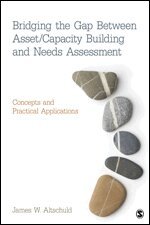
    Bridging the Gap Between Asset/Capacity Building and Needs Assessment

    Concepts and Practical Applications

    AvJames Altschuld

    Häftad, Engelska, 2014

    1 271 kr

    Beställningsvara. Skickas inom 3-6 vardagar. Fri frakt över 249 kr.

    Beskrivning

    In this groundbreaking text, the author examines the synthesis of two antithetical ideas—needs assessment and asset/capacity building. At the heart of this approach is a focus on assessing the strengths and assets that communities have and demonstrating how to make those assets stronger. The author explains the foundation of needs assessment and asset/capacity building, discusses their similarities and differences, and offers a new hybrid framework that includes eight steps for how they can be done jointly for better results. The author then applies a checklist for judging the quality of this approach to six cases that represent real-world applications of hybrid principles. The last chapter demonstrates how such efforts might be studied in the future, emphasizing ways findings and results from hybrid ventures can be used effectively. A wide range of examples, tables, and figures appear throughout, with insightful discussion questions at the end of each chapter to facilitate meaningful discourse.

    Produktinformation

    • Utgivningsdatum:2014-02-18
    • Mått:152 x 228 x 14 mm
    • Vikt:340 g
    • Format:Häftad
    • Språk:Engelska
    • Antal sidor:264
    • Upplaga:1
    • Förlag:SAGE Publications
    • ISBN:9781452220192

    Utforska kategorier

    • Sociologi inom Samhälle och politik

    Mer om författaren

    James W. Altschuld, PhD, is Professor Emeritus at The Ohio State University where he taught program evaluation, needs assessment, and research methods. He has published and presented extensively in the field of evaluation particularly with regard to how needs are assessed.

    Recensioner i media

    "There is great tension between the two camps – and if this book can bring the two together to a certain extent it will be a valuable tool."

    Innehållsförteckning

    • 1. Beginnings2. Synthesis of Needs Assessment and Asset/Capacity Building3. Looking Closely at the First Three Critical Steps of the Framework4. Step 4 in the Hybrid Framework5. Steps 5-8: Completing the Hybrid Process6. A Checklist for the Hybrid Framework7. Cases Exhibiting Hybrid Framework Characteristics: Examples From Public Health8. Cases From Other Fields9. Research and Utilization