• Fri frakt över 249 kr
  • •
  • Snabba leveranser
  • •
  • Billiga böcker
Kundservice

Du är på sajten för privatpersoner.

Företag, bibliotek eller offentlig verksamhet?

Du handlar på classic.bokus.com, där alla dina funktioner finns intakta.
Till classic.bokus.com
Bokus logotyp. Gå till startsidan.
  • Erbjudanden
  • Nyheter
  • Student
  • Topplistor
  • Barn & ungdom
  • Bokus Play
  • E-böcker
  • Pocketböcker
  • Spel & pussel

10% rabatt på allt med kod: NYSTART10 →

Sidfot

Mina sidor

    Hjälp

    • Kundservice
    • Vanliga frågor och svar
    • Frakt och leverans
    • Retur vid ångerrätt
    • Reklamera vara
    • Betalning
    • Köpvillkor
    • Allmänna villkor
    • Information om webbplatsens tillgänglighet

    Om Bokus

    • Om oss
    • Pressrum
    • För studenter
    • För företag
    • För bibliotek och offentlig verksamhet
    • För leverantörer
    • Hållbarhet

    Populärt

    • Aktuella erbjudanden
    • Presentkort
    • Studentlitteratur
    • Nya böcker
    • Topplistor
    • Signerade böcker
    • Engelska böcker

    Inspiration

    • Boktips
    • BookTok
    • Populära bokserier
    • Barnbokskaraktärer
    • Populära författare
    Logotyp för Bokus
    Följ oss på Facebook (extern länk)Följ oss på Instagram (extern länk)Följ oss på YouTube (extern länk)Följ oss på TikTok (extern länk)
    bokus @ CookiesAnpassa cookiesIntegritetspolicyKöpvillkor
    Till Citymail hemsida (extern länk)Till Budbee hemsida (extern länk)Till Postnord hemsida (extern länk)Till Schenker hemsida (extern länk)Till Early Bird hemsida (extern länk)Till Walleys hemsida (extern länk)
    1. Medicin
    2. Andra medicinska specialiteter
    3. Klinisk psykologi

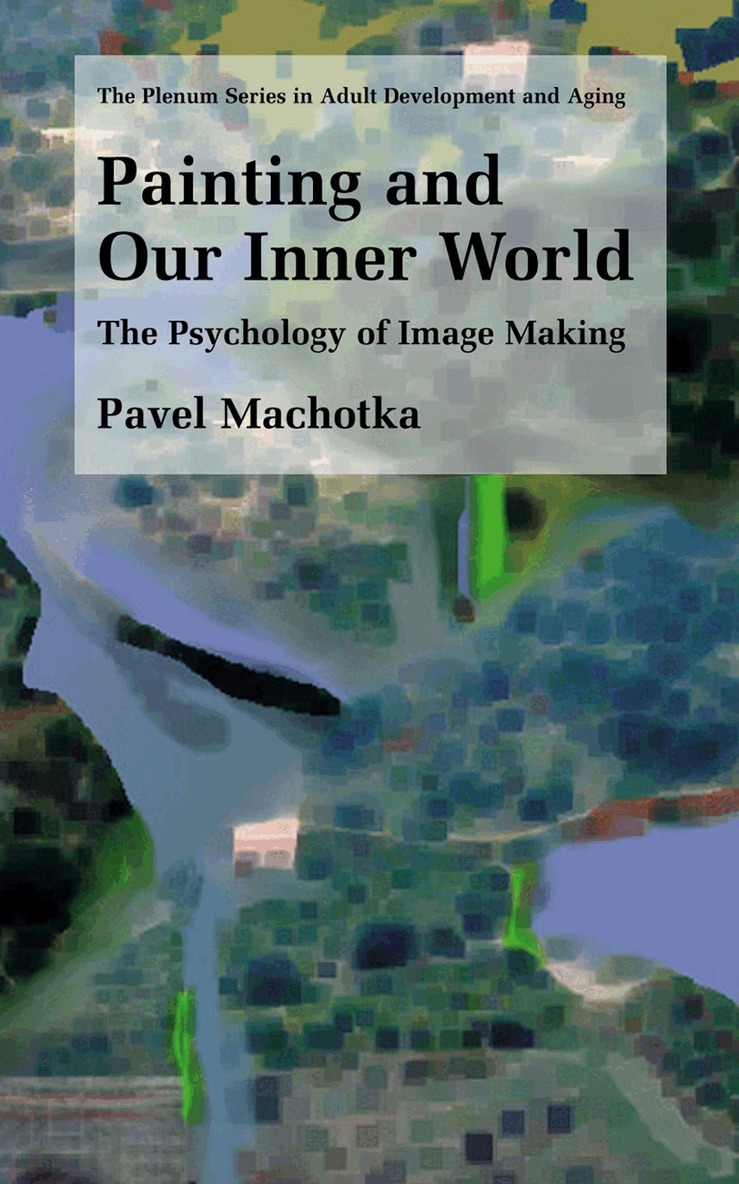
    Painting and Our Inner World

    The Psychology of Image Making

    AvPavel Machotka

    Häftad, Engelska, 2012

    Del i serien Springer Series in Adult Development and Aging

    1 118 kr

    Beställningsvara. Skickas inom 10-15 vardagar. Fri frakt över 249 kr.

    Fler format och utgåvor

    Inbunden

    1 119 kr

    E-bok

    1 455 kr

    Beskrivning

    That painting is at least in part an expression of the painter's personality is obvious from the differences between very impulsive and very controlled painters - between the paintings of a Picasso, for example, and a Piet Mondriaan. But these differences have not been looked at in a controlled setting. In this book, Machotka sets out to understand the images produced by a broad sample of students and to connect them to the students' inner lives - to their interpersonal relations, their wishes and fears, their impulses and inhibitions. Their image making was followed in detail and their personality was studied in a long clinical interview, producing a rich, individual picture of the style and substance of the inner life of each. Then the images were grouped into seven types by cluster analysis. The personal data were found to fit the image clusters closely: for example, images with little form and much narration were produced by people with strong compensatory longings, while dense, collaged images were made by participants who exercised relentless control over one major issue in their life. Other individuals had a strong need to integrate their lives and produced well-formed, well-composed images. As expected, no single motive explained all artistic activity - but the style of the images, such as their inhibited formality, abstractness, or fluid boldness, reflected what could be called the map of each participant's interpersonal world.

    Produktinformation

    • Utgivningsdatum:2012-09-20
    • Mått:155 x 235 x 13 mm
    • Vikt:359 g
    • Format:Häftad
    • Språk:Engelska
    • Serie:Springer Series in Adult Development and Aging
    • Antal sidor:217
    • Förlag:Springer-Verlag New York Inc.
    • ISBN:9781461349365

    Utforska kategorier

    • Klinisk psykologi inom Medicin
    • Psykologi: jaget, identitet och personlighet inom Psykologi och pedagogik
    • Psykologi inom Psykologi och pedagogik

    Innehållsförteckning

    • Introduction: Art, the Body, and Relationships.- 1. Artists and Their Biographies.- The Vicissitudes of Psychodynamics.- Research on Individuals and the Question of Types.- Types in the Study of Art Making.- Types in the Study of Artistic Biography.- Types in This Study.- 2. Image Makers and Their Purposes: Our Methods.- Image Making on the Computer.- Personality.- Individual Interpretation.- Experimenters and Image Makers.- Grouping the Participants: Cluster Analysis.- The Plan of the Book.- 3. First Cluster: Narrative Informality and Compensatory Longings.- The Psychological Process Seen Individually.- The Psychological Dynamics of This Cluster.- Feeling Through to the Flow of Water.- Flying Peachy Buttheads.- 4. Second Cluster: Inhibited, Disconnected Forms and Downcast, Angry Lives.- The Psychological Process Seen Individually.- The Psychological Dynamics of This Cluster.- Monogram.- Garden of Chanterelle.- Epilogue.- 5. Third Cluster: Bold, Flowing Process and the Direct Expression of Emotion.- The Psychological Process Seen Individually.- The Psychological Dynamics of This Cluster.- Scream.- Honeymoon.- 6. Fourth Cluster: Dense Paintings and Relentless Control.- The Psychological Process Seen Individually.- The Psychological Dynamics of This Cluster.- Psychedelic Village.- Winterland.- 7. Fifth Cluster: Imposed Order, Inhibition, and the Acceptance of Parental Standards.- The Psychological Process Seen Individually.- The Psychological Dynamics of This Cluster.- Framed Flowers.- My Mother’s Garden.- 8. Sixth Cluster: Consistent Style and the Need to Integrate.- The Psychological Process.- Fruit Tree.- Temple Cluster.- 9. Seventh Cluster: Abstraction, Avoidance, and the Search for Firm Boundaries.- The Psychological Process Seen Individually.- The PsychologicalDynamics of This Cluster.- City of Dreams.- Type on Flowers.- 10. Art Making, Maps of Interpersonal Space, and the World of Art.- Dimensions of Art Making.- Bringing It Together: Images of the Interpersonal World.- The Seven Ways of Doing Art and Artists We Know.- Appendix A: Psychological Analysis of the Clusters: A Partial Replication.- Seventh Cluster: Abstraction, Avoidance, and the Search for Firm Boundaries.- Sixth Cluster: Consistent Style and the Need to Integrate.- Fourth Cluster: Dense Painting and Relentless Control.- First Cluster: Narrative Informality and Compensatory Longings.- Appendix B: Interview Forms and Statistical Tables.- Post-Image Making Interview.- Psychodynamic Interview.- Image and Process Assessment.- References.