• Fri frakt över 249 kr
  • •
  • Snabba leveranser
  • •
  • Billiga böcker
Kundservice

Du är på sajten för privatpersoner.

Företag, bibliotek eller offentlig verksamhet?

Du handlar på classic.bokus.com, där alla dina funktioner finns intakta.
Till classic.bokus.com
Bokus logotyp. Gå till startsidan.
  • Erbjudanden
  • Nyheter
  • Student
  • Topplistor
  • Barn & ungdom
  • Bokus Play
  • E-böcker
  • Pocketböcker
  • Spel & pussel

10% rabatt på allt med kod NYSTART10 →

Sidfot

Mina sidor

    Hjälp

    • Kundservice
    • Vanliga frågor och svar
    • Frakt och leverans
    • Retur vid ångerrätt
    • Reklamera vara
    • Betalning
    • Köpvillkor
    • Allmänna villkor
    • Information om webbplatsens tillgänglighet

    Om Bokus

    • Om oss
    • Pressrum
    • För studenter
    • För företag
    • För bibliotek och offentlig verksamhet
    • För leverantörer
    • Hållbarhet

    Populärt

    • Aktuella erbjudanden
    • Presentkort
    • Studentlitteratur
    • Nya böcker
    • Topplistor
    • Signerade böcker
    • Engelska böcker

    Inspiration

    • Boktips
    • BookTok
    • Populära bokserier
    • Barnbokskaraktärer
    • Populära författare
    Logotyp för Bokus
    Följ oss på Facebook (extern länk)Följ oss på Instagram (extern länk)Följ oss på YouTube (extern länk)Följ oss på TikTok (extern länk)
    bokus @ CookiesAnpassa cookiesIntegritetspolicyKöpvillkor
    Till Citymail hemsida (extern länk)Till Budbee hemsida (extern länk)Till Postnord hemsida (extern länk)Till Schenker hemsida (extern länk)Till Early Bird hemsida (extern länk)Till Walleys hemsida (extern länk)
    1. Historia och arkeologi
    2. Arkeologi

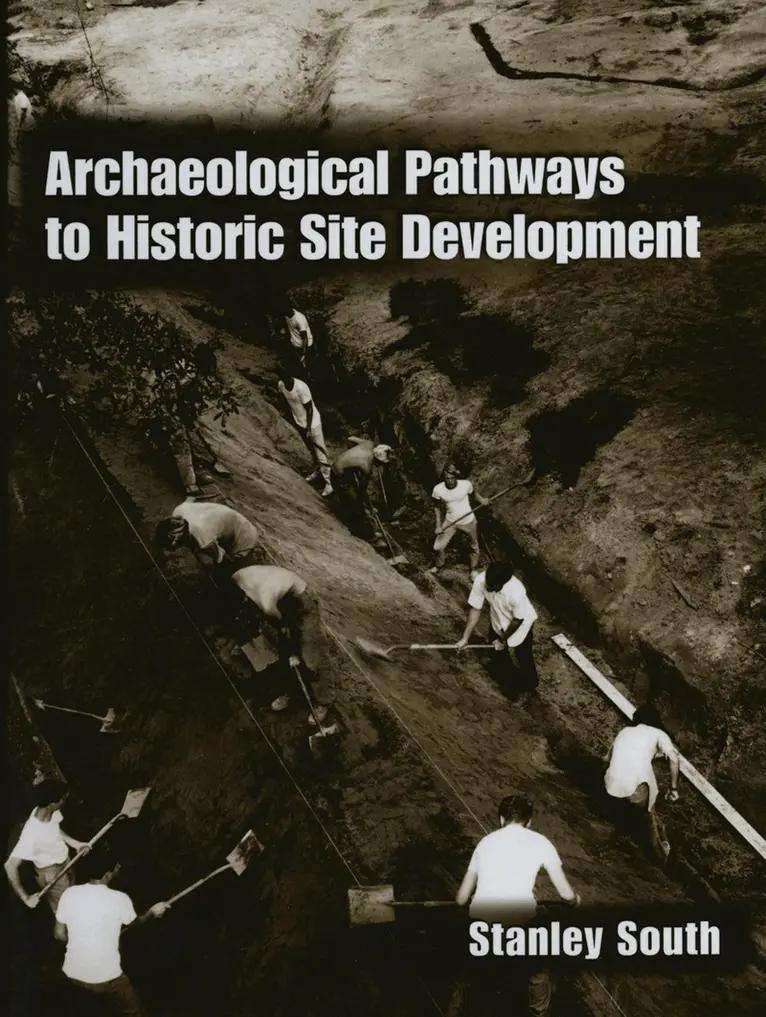
    Archaeological Pathways to Historic Site Development

    AvStanley South

    Häftad, Engelska, 2012

    563 kr

    Beställningsvara. Skickas inom 10-15 vardagar. Fri frakt över 249 kr.

    Fler format och utgåvor

    Inbunden

    894 kr

    E-bok

    732 kr

    Beskrivning

    In this book I walk with the reader along the bothered me that some of my colleagues, in their archaeological pathways traveled by many reports of archaeological activity on documented researchers in the process of historic site historic sites, never mention finding evidence of previous American Indian occupation. Sites development. The sponsors, historians, archaeologists, and administrators who have selected by Europeans, usually on high ground bordering the deep water channel of navigatable traveled those pathways may find familiar much of what I say here. The pathways exploring the past streams, are those also once preferred by Native Americans for the access to environmental involve research in documents and the archaeological record, using the best methods of resources they afford. How could Native both, in an attempt to understand the material American material culture not be present on such culture remains left behind, not only by explorers sites? and colonists from Europe and Africa, but also by I once asked a well-known archaeological Native Americans who lived in the environment for colleague why it was that such evidence did not appear in his reports from such sites, and the reply millenia before those strangers appeared on the scene. In explaining the archaeological record of was, "Gh, I find all kinds of Indian things on the American Indians I lean on not only archaeological historic sites I dig, but that's not why I'm there.

    Produktinformation

    • Utgivningsdatum:2012-12-22
    • Mått:210 x 279 x 20 mm
    • Vikt:896 g
    • Format:Häftad
    • Språk:Engelska
    • Antal sidor:342
    • Förlag:Springer-Verlag New York Inc.
    • ISBN:9781461355106

    Utforska kategorier

    • Arkeologi inom Historia och arkeologi
    • Antropologi inom Samhälle och politik
    • Historia: teori och metod inom Historia och arkeologi

    Recensioner i media

    From the reviews: "[...] a major authority on method and theory in historical archaeology and an expert on the American Southeast, considers arhcaeological conservation, theory building, and historic site interpretation and restoration focusing on 1670-80 Charles Towne, South Carolina, and the Native American legacy that preceded European colonization. His well-documented compendium explicates "the process of historic site development for the education and entertainment of the visiting public", presenting a salient example of historic cultural resource management." (Choice, 40:2, October 2002) "The book is site reporting at its best. It is extremely well illustrated with numerous field excavation photographs, artifact plates, historical maps, and South's archaerological site plans, which rank among the most artistic and informative produced. This is an excellent site report and well worth the wait." (Journal of Anthropological Research, 59, 2003)

    Innehållsförteckning

    • I. The Historical Pathway at the Charles Towne Settlement: 1670–1680.- 1. The Historical Pathway.- 2. The Methodological Pathway.- 3. The Archaeological Pathway to the 1670 Fortifications..- II. The Archaeological Pathway to the 18th and 19th Centuries.- 4. Old Town Plantation.- III. The Archaeological Pathway to Native Americans on Albemarle Point.- 5. The Archaic, Formative and Developmental Periods.- 6. A Pathway to the Climactic Period: A Ceremonial Center.- 7. The Pottery Pathway at the Ceremonial Center.- 8. The Material Culture Pathway to the Ceremonial Center..- 9. The Pathway to Decline.- ·Chicora Stylistic Ceramic Attributes (1974) Leland Ferguson.- · A List of Proveniences from the Ceremonial Center.- · Preface to “Man on Albemarle Point” (1974) Stanley South.- · Notes Translated on the Depositions of the English Defector Brian Fitzpatrick and the Spanish Spy Antonio Camunas St. Julian Ravenel Childs.- · A Summary of the Results of the Archaeological Project at Charles Towne in 2000 and 2001 Stanley South.- · Discovery at 1670 Charles Towne Michael J. Stoner.- References..- List of Subtitles..- List of Figures.- List of Tables.