• Fri frakt över 249 kr
  • •
  • Snabba leveranser
  • •
  • Billiga böcker
Kundservice

Du är på sajten för privatpersoner.

Företag, bibliotek eller offentlig verksamhet?

Du handlar på classic.bokus.com, där alla dina funktioner finns intakta.
Till classic.bokus.com
Bokus logotyp. Gå till startsidan.
  • Erbjudanden
  • Nyheter
  • Student
  • Topplistor
  • Barn & ungdom
  • Bokus Play
  • E-böcker
  • Pocketböcker
  • Spel & pussel

10% rabatt på allt med kod NYSTART10 →

Sidfot

Mina sidor

    Hjälp

    • Kundservice
    • Vanliga frågor och svar
    • Frakt och leverans
    • Retur vid ångerrätt
    • Reklamera vara
    • Betalning
    • Köpvillkor
    • Allmänna villkor
    • Information om webbplatsens tillgänglighet

    Om Bokus

    • Om oss
    • Pressrum
    • För studenter
    • För företag
    • För bibliotek och offentlig verksamhet
    • För leverantörer
    • Hållbarhet

    Populärt

    • Aktuella erbjudanden
    • Presentkort
    • Studentlitteratur
    • Nya böcker
    • Topplistor
    • Signerade böcker
    • Engelska böcker

    Inspiration

    • Boktips
    • BookTok
    • Populära bokserier
    • Barnbokskaraktärer
    • Populära författare
    Logotyp för Bokus
    Följ oss på Facebook (extern länk)Följ oss på Instagram (extern länk)Följ oss på YouTube (extern länk)Följ oss på TikTok (extern länk)
    bokus @ CookiesAnpassa cookiesIntegritetspolicyKöpvillkor
    Till Citymail hemsida (extern länk)Till Budbee hemsida (extern länk)Till Postnord hemsida (extern länk)Till Schenker hemsida (extern länk)Till Early Bird hemsida (extern länk)Till Walleys hemsida (extern länk)
    1. Naturvetenskap och teknik
    2. Geovetenskap
    3. Miljövetenskap och miljöpolitik

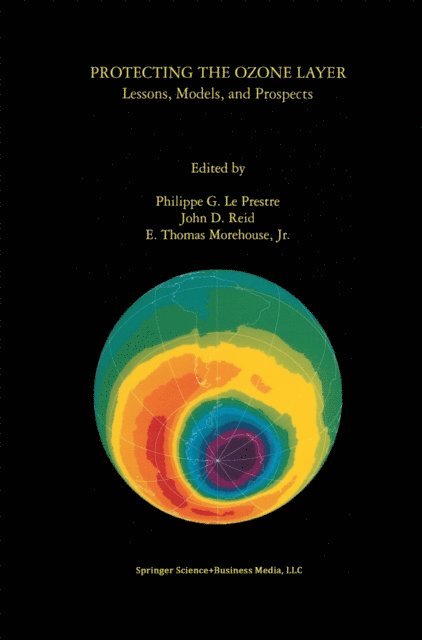
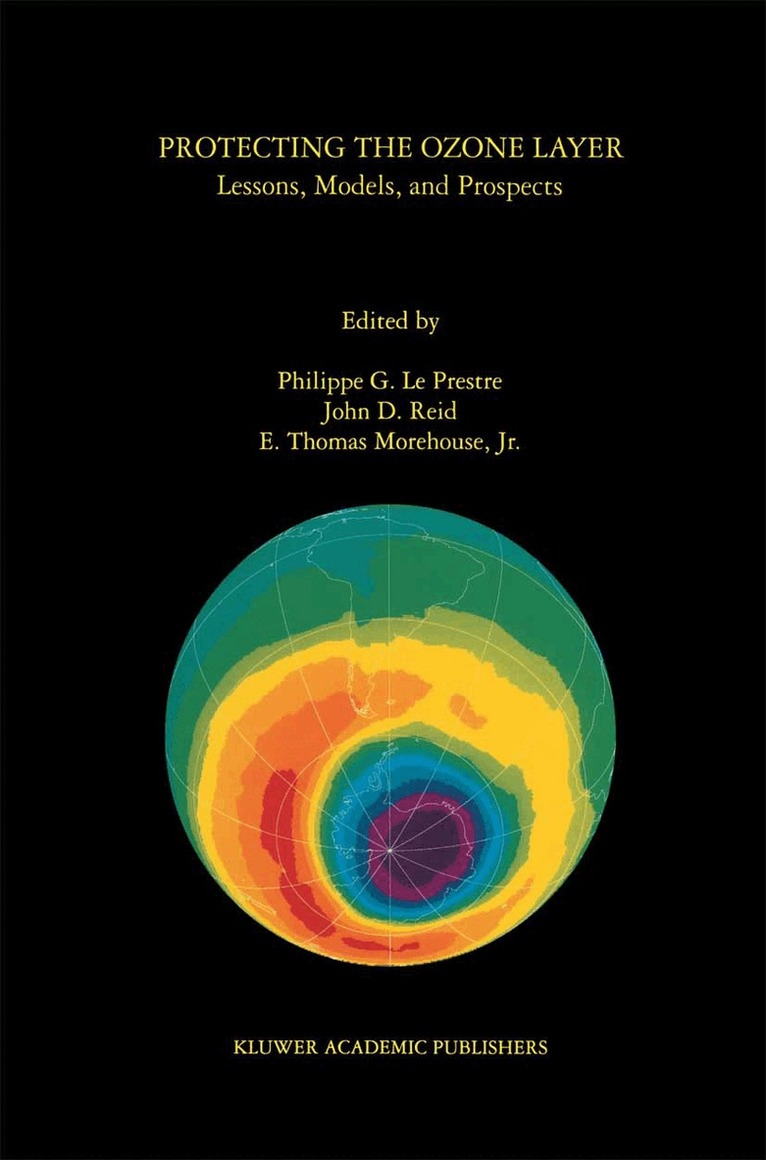
    Protecting the Ozone Layer

    Lessons, Models, and Prospects

    AvPhilippe G. Le Prestre,John D. Reid

    Häftad, Engelska, 2012

    1 085 kr

    Beställningsvara. Skickas inom 10-15 vardagar. Fri frakt över 249 kr.

    Beskrivning

    Protecting the Ozone Layer: Lessons, Models, and Prospects Since the mid-1980s, the international community has adopted several significant instruments designed to reverse the degradation of the life support systems of the planet. None of these international agreements have been as successful as the 1987 Montreal Protocol in creating the incentives and mechanisms for protecting the ozone layer. Through the efforts of industry, government and public interest groups, national commitments and achievements have progressed further and faster than expected, while the list of controlled chemicals has expanded. Now in its second decade, the Protocol enters a crucial phase of its implementation. Protecting the Ozone Layer: Lessons, Models, and Prospects presents a wealth of information about the scientific, legal-political, and technological hurdles that we will have to overcome if humanity is to reverse its self-destructive course. The technology section in particular should appeal to industries affected by ozone layer protection as well as those affected by climate protection, since this is the first ozone publication featuring insights by the companies that spearheaded the major technological breakthroughs. Every initiative to improve the environmental performance of industry has been accompanied by pronouncements of economic devastation, from acid rain to auto emissions standards, from auto mileage improvements to the protection of the ozone layer. Each new initiative brought claims from industry that this situation was different, yet none of their predictions have come true. At a time when industry fights efforts to protect the environment, the ozone experience shows both how technical breakthroughs have enabled environmental protection policies to work in the past and how they will work again in the future. Protecting the Ozone Layer: Lessons, Models, and Prospects is the product of a Colloquium that was organized in September 1997 to celebrate the tenth anniversary of the Montreal Protocol. Contributions have been gathered from researchers and practitioners in the field, including some of the very same scientists whose work awakened the international community to the seriousness of the danger that humanity now faces. Other contributors include the scholars and diplomats who wrote and negotiated the text of the Protocol and its amendments, and the key figures who have been influential in convincing industry to support the process.

    Produktinformation

    • Utgivningsdatum:2012-10-13
    • Mått:155 x 235 x 15 mm
    • Vikt:394 g
    • Format:Häftad
    • Språk:Engelska
    • Antal sidor:232
    • Förlag:Springer-Verlag New York Inc.
    • ISBN:9781461375555

    Utforska kategorier

    • Miljövetenskap och miljöpolitik inom Naturvetenskap och teknik
    • Meteorologi och klimatologi inom Naturvetenskap och teknik

    Innehållsförteckning

    • The Montreal Regime: A New Model for International Cooperation on Global Environmental Issues?.- Stratospheric Ozone Chemistry.- The Story of the Ozone Layer: Lessons Learned and Impacts on the Future.- The Evolving UV Climate.- UV-B Effects on Aquatic Ecosystems.- Robert Worrest Effects of UV-B on Plants and Terrestrial Ecosystems.- Stratospheric Ozone Depletion and UV-Induced Immune Suppression.- Effects on Skin and Eyes.- UV INDEX: A Tool for Public Response.- What Should Be Done in a Science Assessment.- Commentary on Presentation by Daniel Albritton.- The Montreal Protocol as a New Approach to Diplomacy.- The Montreal Protocol: A New Legal Model for Compliance Control.- The Use of Trade Measures in the Montreal Protocol.- The Montreal Regime: Sticks and Carrots.- International Cooperation: An Example of Success.- The Montreal Protocol: Whose Model?.- Comments on Ambassador Mateos’ and Dr. Khosla’s Remarks.- The Montreal Protocol: The First Adaptive Global Environmental Regime?.- Comments: The Atmosphere as Global Commons.- Technology Assessment for the Montreal Protocol.- TEAP Terms of Reference.- Countries with Economies in Transition.- Importance of the TEAP in Technology Cooperation.- Scientific Objectivity, Industrial Integrity and the TEAP Process.- Global Benefits and Costs of the Montreal Protocol.- Lessons From the CFC Phase-out in the United States.- Highlights of Ozone Protection Leadership by Industry in Developing Countries.- Competitive Advantage Through Corporate Environmental Leadership.- Lessons from the Thailand Leadership Initiative, the Vietnam Corporate Pledge, and the Global Semiconductor Agreement.- Champions of Ozone Layer Protection.- Closing Comments.- Annex 1 Ozone Protection Chronology.- Annex 2 The Tenth Anniversary ColloquiumDeclaration.