• Fri frakt över 249 kr
  • •
  • Snabba leveranser
  • •
  • Billiga böcker
Kundservice

Du är på sajten för privatpersoner.

Företag, bibliotek eller offentlig verksamhet?

Du handlar på classic.bokus.com, där alla dina funktioner finns intakta.
Till classic.bokus.com
Bokus logotyp. Gå till startsidan.
  • Erbjudanden
  • Nyheter
  • Student
  • Topplistor
  • Barn & ungdom
  • Bokus Play
  • E-böcker
  • Pocketböcker
  • Spel & pussel

10% rabatt på allt med kod NYSTART10 →

Sidfot

Mina sidor

    Hjälp

    • Kundservice
    • Vanliga frågor och svar
    • Frakt och leverans
    • Retur vid ångerrätt
    • Reklamera vara
    • Betalning
    • Köpvillkor
    • Allmänna villkor
    • Information om webbplatsens tillgänglighet

    Om Bokus

    • Om oss
    • Pressrum
    • För studenter
    • För företag
    • För bibliotek och offentlig verksamhet
    • För leverantörer
    • Hållbarhet

    Populärt

    • Aktuella erbjudanden
    • Presentkort
    • Studentlitteratur
    • Nya böcker
    • Topplistor
    • Signerade böcker
    • Engelska böcker

    Inspiration

    • Boktips
    • BookTok
    • Populära bokserier
    • Barnbokskaraktärer
    • Populära författare
    Logotyp för Bokus
    Följ oss på Facebook (extern länk)Följ oss på Instagram (extern länk)Följ oss på YouTube (extern länk)Följ oss på TikTok (extern länk)
    bokus @ CookiesAnpassa cookiesIntegritetspolicyKöpvillkor
    Till Citymail hemsida (extern länk)Till Budbee hemsida (extern länk)Till Postnord hemsida (extern länk)Till Schenker hemsida (extern länk)Till Early Bird hemsida (extern länk)Till Walleys hemsida (extern länk)
    1. Naturvetenskap och teknik
    2. Geovetenskap
    3. Miljövetenskap och miljöpolitik

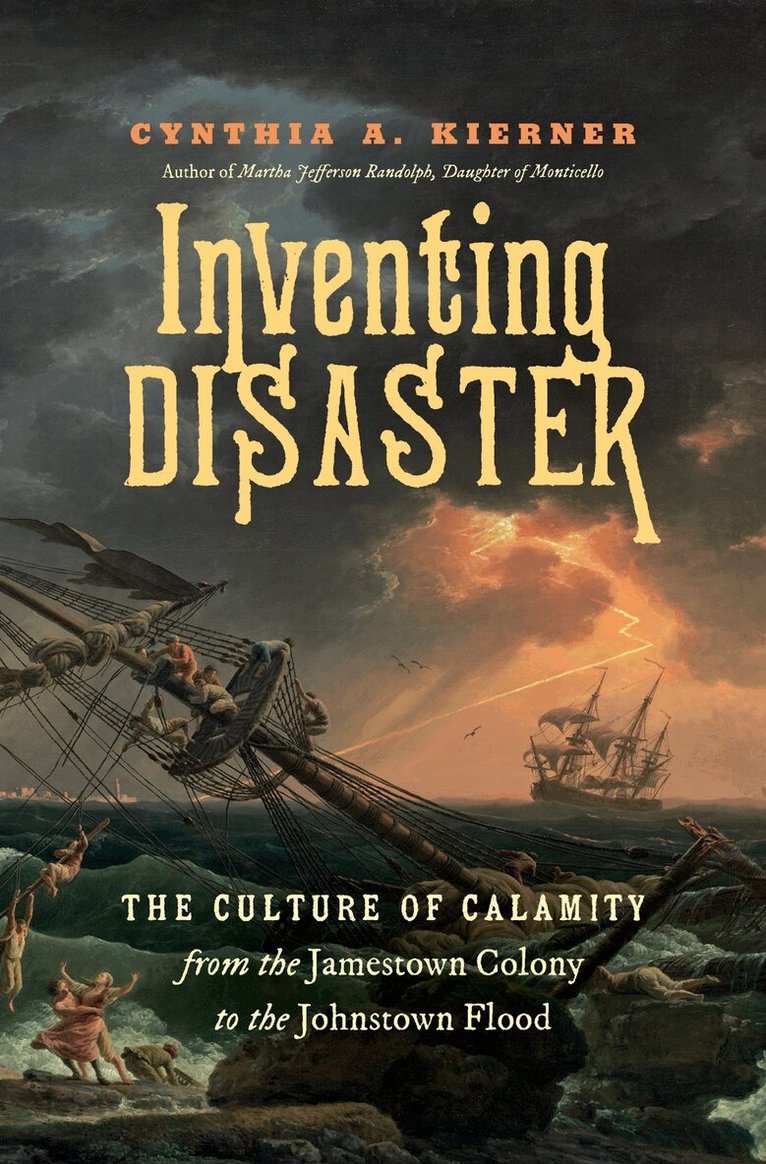
    Inventing Disaster

    The Culture of Calamity from the Jamestown Colony to the Johnstown Flood

    AvCynthia A. Kierner

    Häftad, Engelska, 2024

    307 kr

    Beställningsvara. Skickas inom 10-15 vardagar. Fri frakt över 249 kr.

    Fler format och utgåvor

    E-bok

    1 986 kr

    E-bok

    277 kr

    E-bok

    1 631 kr

    Beskrivning

    When hurricanes, earthquakes, wildfires, and other disasters strike, we count our losses, search for causes, commiserate with victims, and initiate relief efforts. Amply illustrated and expansively researched, Inventing Disaster explains the origins and development of this predictable, even ritualized, culture of calamity over three centuries, exploring its roots in the revolutions in science, information, and emotion that were part of the Age of Enlightenment in Europe and America.Beginning with the collapse of the early seventeenth-century Jamestown colony, ending with the deadly Johnstown flood of 1889, and highlighting fires, epidemics, earthquakes, and exploding steamboats along the way, Cynthia A. Kierner tells horrific stories of culturally significant calamities and their victims and charts efforts to explain, prevent, and relieve disaster-related losses. Although how we interpret and respond to disasters has changed in some ways since the nineteenth century, Kierner demonstrates that, for better or worse, the intellectual, economic, and political environments of earlier eras forged our own twenty-first-century approach to disaster, shaping the stories we tell, the precautions we ponder, and the remedies we prescribe for disaster-ravaged communities.

    Produktinformation

    • Utgivningsdatum:2024-02-01
    • Mått:155 x 235 x 18 mm
    • Vikt:272 g
    • Format:Häftad
    • Språk:Engelska
    • Antal sidor:304
    • Förlag:The University of North Carolina Press
    • ISBN:9781469679327

    Utforska kategorier

    • Miljövetenskap och miljöpolitik inom Naturvetenskap och teknik
    • Amerikas historia inom Historia och arkeologi

    Mer om författaren

    Cynthia A. Kierner is professor of history at George Mason University and the author of Martha Jefferson Randolph, Daughter of Monticello.

    Recensioner i media

    Kierner presents an in-depth, well-researched and persuasive thesis for the beginning and eventual continuation of a cultural mind-set that has remained fairly intact since the 19th-century." - Library Journal"[A] spectacular volume. . . . clearly and convincingly argued, grounded in extensive research in a host of records, and extremely well-written with both a scholarly and a broader audience in mind. . . . Here is an opportunity to help scholars and students understand our own times more profoundly by examining earlier catastrophes." - William and Mary Quarterly"Presents a complex and fascinating argument. . . . Meticulously researched and annotated, Inventing Disaster offers detailed descriptions of disasters, provides context, and documents community and public responses." - The New England Quarterly"Kierner offers a clear and cogent analysis of the ways that societies across three centuries of British Atlantic and early US history conceptualized, came to terms with, and then responded to large-scale, sudden, and unexpected loss. Inventing Disaster deserves space on the shelves not merely of historians interested in the niche topic of disaster but of anyone interested in the development during these three centuries of print culture, religion, science, moral philosophy, technology, or government." - H-Net Reviews"While Kierner is often able to provide fascinating insights by covering topics, such as shipwrecks, that are rarely explored, she is also more than able to provide similar insights when considering events that have been written about more extensively. . . . Inventing Disaster provides a very effective and vital summation of the development of the primarily American culture of disaster." - Journal of Southern History"Well-conceived and engaging . . . Kierner uncovers the historical roots of disaster relief and explains how our modern response to disaster reflects a centuries-long tussle with the forces of modernity. All this and more make Inventing Disaster a valuable and, indeed, timely title." - North Carolina Historical Review"An ambitious, timely book that will likely become only more relevant in the years to come. Kierner provides a much-needed history of our modern culture of calamity . . . [and] a deeply researched, compelling framework that will resonate far beyond disaster history or early American studies." —Early American Literature