• Fri frakt över 249 kr
  • •
  • Snabba leveranser
  • •
  • Billiga böcker
Kundservice

Du är på sajten för privatpersoner.

Företag, bibliotek eller offentlig verksamhet?

Du handlar på classic.bokus.com, där alla dina funktioner finns intakta.
Till classic.bokus.com
Bokus logotyp. Gå till startsidan.
  • Erbjudanden
  • Nyheter
  • Student
  • Topplistor
  • Barn & ungdom
  • Bokus Play
  • E-böcker
  • Pocketböcker
  • Spel & pussel

10% studentrabatt med kod TERM26

Sidfot

Mina sidor

    Hjälp

    • Kundservice
    • Vanliga frågor och svar
    • Frakt och leverans
    • Retur vid ångerrätt
    • Reklamera vara
    • Betalning
    • Köpvillkor
    • Allmänna villkor
    • Information om webbplatsens tillgänglighet

    Om Bokus

    • Om oss
    • Pressrum
    • För studenter
    • För företag
    • För bibliotek och offentlig verksamhet
    • För leverantörer
    • Hållbarhet

    Populärt

    • Aktuella erbjudanden
    • Presentkort
    • Studentlitteratur
    • Nya böcker
    • Topplistor
    • Signerade böcker
    • Engelska böcker

    Inspiration

    • Boktips
    • BookTok
    • Populära bokserier
    • Barnbokskaraktärer
    • Populära författare
    Logotyp för Bokus
    Följ oss på Facebook (extern länk)Följ oss på Instagram (extern länk)Följ oss på YouTube (extern länk)Följ oss på TikTok (extern länk)
    bokus @ CookiesAnpassa cookiesIntegritetspolicyKöpvillkor
    Till Citymail hemsida (extern länk)Till Budbee hemsida (extern länk)Till Postnord hemsida (extern länk)Till Schenker hemsida (extern länk)Till Early Bird hemsida (extern länk)Till Walleys hemsida (extern länk)
    1. Ekonomi och Ledarskap
    2. Nationalekonomi
    3. Internationell ekonomi

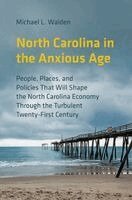
    North Carolina in the Anxious Age

    People, Places, and Policies That Will Shape the North Carolina Economy Through the Turbulent Twenty-First Century

    AvMichael L. Walden

    Häftad, Engelska, 2026

    285 kr

    Kommande

    Beskrivning

    We live in a collective moment that, for many, goes beyond uncertainty and holds unease and worry about the future. And while most, if not all, of these “Anxious Age” issues affect other states and even nations, Michael L. Walden, one of the foremost experts in North Carolina economics, makes clear the specific ways they’ll affect North Carolinians, making this a must-read for policymakers, politicians, and everyday folks alike. Walden covers everything from the increasing numbers of workers doing their jobs at home, to climate change, to questions of whether big urban centers like Raleigh and Charlotte will begin to lose population rather than continuing to grow. Walden even considers AI and how its use will affect the North Carolina economy, one that is increasingly focused on technology and research.In covering a broad array of concerns and uncertainties, Walden promises to offer a clear roadmap of where we’ve been and where, in this tumultuous era, we may be headed.

    Produktinformation

    • Utgivningsdatum:2026-10-27
    • Mått:25 x 235 x 155 mm
    • Format:Häftad
    • Språk:Engelska
    • Antal sidor:208
    • Förlag:The University of North Carolina Press
    • ISBN:9781469697925

    Utforska kategorier

    • Internationell ekonomi inom Ekonomi och Ledarskap
    • Ekonomisk historia inom Ekonomi och Ledarskap
    • Amerikas historia inom Historia och arkeologi

    Mer om författaren

    Michael L. Walden is William Neal Reynolds Distinguished Professor Emeritus at North Carolina State University and the author of many books, including North Carolina Beyond the Connected Age: The Tar Heel State in 2050.

    Recensioner i media

    “A clear, concise, and historically informed analysis of the Tar Heel State’s economy that focuses on post-COVID realities and the economy’s likely trajectory over the next twenty-five or thirty years.”—Peter A. Coclanis, author of The Shadow of a Dream: Economic Life and Death in the South Carolina Low Country, 1670–1920“Walden’s work is unique. I know of no other similarly systematic analysis for any other state. Walden has done a real service for students of Southern economic development, for policymakers, and for the people of North Carolina.”—Louis Kyriakoudes, Middle Tennessee State University