• Fri frakt över 249 kr
  • •
  • Snabba leveranser
  • •
  • Billiga böcker
Kundservice

Du är på sajten för privatpersoner.

Företag, bibliotek eller offentlig verksamhet?

Du handlar på classic.bokus.com, där alla dina funktioner finns intakta.
Till classic.bokus.com
Bokus logotyp. Gå till startsidan.
  • Erbjudanden
  • Nyheter
  • Student
  • Topplistor
  • Barn & ungdom
  • Bokus Play
  • E-böcker
  • Pocketböcker
  • Spel & pussel

10% rabatt på allt med kod NYSTART10 →

Sidfot

Mina sidor

    Hjälp

    • Kundservice
    • Vanliga frågor och svar
    • Frakt och leverans
    • Retur vid ångerrätt
    • Reklamera vara
    • Betalning
    • Köpvillkor
    • Allmänna villkor
    • Information om webbplatsens tillgänglighet

    Om Bokus

    • Om oss
    • Pressrum
    • För studenter
    • För företag
    • För bibliotek och offentlig verksamhet
    • För leverantörer
    • Hållbarhet

    Populärt

    • Aktuella erbjudanden
    • Presentkort
    • Studentlitteratur
    • Nya böcker
    • Topplistor
    • Signerade böcker
    • Engelska böcker

    Inspiration

    • Boktips
    • BookTok
    • Populära bokserier
    • Barnbokskaraktärer
    • Populära författare
    Logotyp för Bokus
    Följ oss på Facebook (extern länk)Följ oss på Instagram (extern länk)Följ oss på YouTube (extern länk)Följ oss på TikTok (extern länk)
    bokus @ CookiesAnpassa cookiesIntegritetspolicyKöpvillkor
    Till Citymail hemsida (extern länk)Till Budbee hemsida (extern länk)Till Postnord hemsida (extern länk)Till Schenker hemsida (extern länk)Till Early Bird hemsida (extern länk)Till Walleys hemsida (extern länk)
    1. Juridik
    2. Särskilda rättsområden
    3. Författningsrätt och förvaltningsrätt

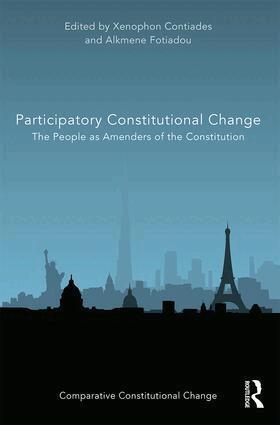
    Participatory Constitutional Change

    The People as Amenders of the Constitution

    AvXenophon Contiades,Alkmene Fotiadou

    Inbunden, Engelska, 2016

    Del i serien Comparative Constitutional Change

    2 435 kr

    Beställningsvara. Skickas inom 10-15 vardagar. Fri frakt över 249 kr.

    Beskrivning

    This book explores the recent trend of enhancing the role of the people in constitutional change. It traces the reasons underlying this tendency, the new ways in which it takes form, the possibilities of success and failure of such ventures as well as the risks and benefits it carries. To do so, it examines the theoretical aspects of public participation in constitutional decision-making, offers an analysis of the benefits gained and the problems encountered in countries with long-standing experience in the practice of constitutional referendums, discusses the recent innovative constitution-making processes employed in Iceland and Ireland in the post financial crisis context and probes the use of public participation in the EU context. New modes of deliberation are juxtaposed to traditional direct-democratic processes, while the reasons behind this re-emergence of public involvement narratives are discussed from the aspect of comparative constitutional design. The synthetic chapter offers an overview of the emerging normative and comparative issues and provides a holistic approach of the role of the people in constitutional change in an attempt to answer when, where and how this role may be successfully enhanced. The work consists of material specifically written for this volume, and authored by prominent constitutional scholars and experts in public participation and deliberative processes.

    Produktinformation

    • Utgivningsdatum:2016-10-05
    • Mått:156 x 234 x 17 mm
    • Vikt:570 g
    • Format:Inbunden
    • Språk:Engelska
    • Serie:Comparative Constitutional Change
    • Antal sidor:224
    • Förlag:Taylor & Francis Ltd
    • ISBN:9781472478696

    Utforska kategorier

    • Författningsrätt och förvaltningsrätt inom Juridik

    Mer om författaren

    This book explores the recent trend of enhancing the role of the people in constitutional change. It traces the reasons underlying this tendency, the new ways in which it takes form, the possibilities of success and failure of such ventures as well as the risks and benefits it carries. To do so, it examines the theoretical aspects of public participation in constitutional decision-making, offers an analysis of the benefits gained and the problems encountered in countries with long-standing experience in the practice of constitutional referendums, discusses the recent innovative constitution-making processes employed in Iceland and Ireland in the post financial crisis context and probes the use of public participation in the EU context. New modes of deliberation are juxtaposed to traditional direct-democratic processes, while the reasons behind this re-emergence of public involvement narratives are discussed from the aspect of comparative constitutional design. The synthetic chapter offers an overview of the emerging normative and comparative issues and provides a holistic approach of the role of the people in constitutional change in an attempt to answer when, where and how this role may be successfully enhanced. The work consists of material specifically written for this volume, and authored by prominent constitutional scholars and experts in public participation and deliberative processes..

    Recensioner i media

    'This volume is a timely and rich resource for modern constitutionalists. The essays are engaging, incisive and offer broad political and legal perspectives on one of the central questions in contemporary constitutional debates.'Professor Adrienne Stone, University of Melbourne, Australia'Recent developments in constitution-making and amending practices have implicated a range of methods of encouraging direct public participation, through crowd-sourcing, referenda, and more. This book examines the ways that these developments accentuate a range of fundamental issues dealing with the constituent power, sovereignty, and deliberation, through conceptual analysis and empirical studies. An important contribution to an increasingly important discussion.'Professor Mark Tushnet, Harvard Law School, USA‘This book reveals both good and bad practice, and problems of how to cope with citizen choices that are not mandated at formal election times. The book is timely and well written and appeals to a broad cross-section of readers from political science to constitutional lawyers. It is highly recommended.’Professor John McElldowney, Warwick University, UK

    Innehållsförteckning

    • Notes on Contributors AcknowledgementsIntroduction: Participatory Constitutional Change Xenophon Contiades and Alkmene Fotiadou PART I A Synthetic Approach 1. The People as Amenders of the Constitution Xenophon Contiades and Alkmene Fotiadou PART II Popular Participation in Constitutional Change: Theoretical and Historical Aspects2. Constitutional Reform in Europe and Recourse to the People Paul Blokker3. A Future for Referendums in the Fifth French Republic? Jan-Herman Reestman PART III Lessons from Long Direct-Democratic Experience: The Equilibrium Between Democracy and Constitutionalism in Switzerland and California4. Participation of Citizens in Constitution-Making. Assets and Challenges - The Swiss Experience Thomas Fleiner5. Direct Democracy vs Fundamental Rights? A Comparative Analysis of the Mechanisms that Limit the ‘Will of the People’ in Switzerland and California Claudia JosiPART IV New Trends in Popular Involvement: Best Practices and Fatal Mistakes in the Icelandic and Irish Cases6. The People’s Contribution to Constitutional Changes. Writing, Advising or Approving? – Lessons from Iceland Björg Thorarensen7. Bringing People into the Heart of Constitutional Design: The Irish Constitutional Convention of 2012-14 David M. Farrell, Clodagh Harris and Jane SuiterPART V The Dilemma of Introducing Constitutional Referendums: Luxemburg and Greece8. The ‘Sudden Eagerness’ to Consult the Luxemburgish People on Constitutional ChangeJörg Gerkrath9. The Role of the People in Constitutional Amendment in Greece: Between Narratives and Practice Alkmene Fotiadou PART VI EU Aspects of Popular Participation: European Integration, National Sovereignty and Direct-Democratic Procedures10. The Use of Referendums on European Topics in the Integration Process of the European Union Dario Elia Tosi11. Sovereignty, Constitutional Identity, Direct Democracy? Direct Democracy as a National Strategy for Upholding the Nation State in EU Integration Helle KrunkeIndex